The Champagne Spray Incident: Why This Prank Crosses a Dangerous Legal Line
When a night out turns into a violation, the question isn’t just about intent—it’s about the law, the victim, and the chilling message this sends to every woman watching.
- Unwanted physical contact with a liquid or object can legally constitute battery or assault, depending on jurisdiction.
- Victims have clear rights and access to community resources, including legal aid and victim advocacy groups.
- Public outrage plays a critical role in pressuring venues and authorities to take these incidents seriously.
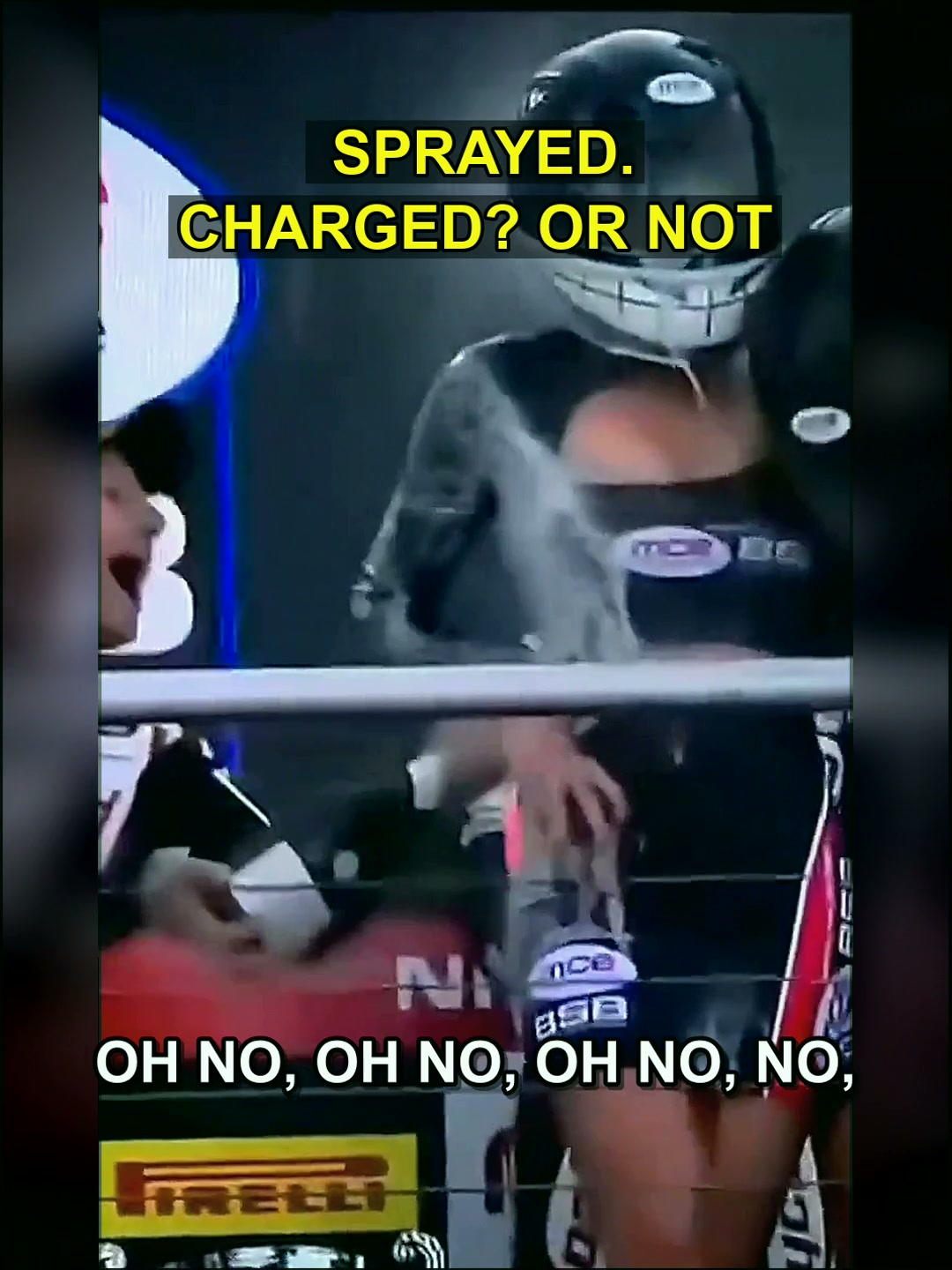
The video is only a few seconds long, but the image is seared into the minds of everyone who watches it. A man, emboldened by the crowd and likely a few glasses of his own, raises a bottle of champagne and deliberately directs a pressurized spray directly up a woman’s skirt. Her shock is immediate. The bystander’s voice cracks with disbelief: “Oh no, oh no, oh no, no, no, no.”
This is not a silly prank. This is not “boys being boys.” This is a calculated act of degradation, performed in public, designed to humiliate. And the fact that we are even debating whether this is assault reveals a dangerous gap in our collective understanding of consent and bodily autonomy.

The Legal Lens: Is It Assault or Just a Bad Joke?
Let’s cut through the noise. In legal terms, assault is often defined as an intentional act that creates a reasonable apprehension of imminent harmful or offensive contact. Battery, on the other hand, is the actual physical contact itself. Spraying a liquid onto a person’s intimate areas—through their clothing—fits squarely into the category of offensive physical contact.
Prosecutors in many jurisdictions have successfully argued that throwing a drink on someone, let alone spraying champagne up their skirt, constitutes battery. The act is intentional. The contact is unwanted. The target is a private body part. The law does not require physical injury to prove harm; the violation of personal dignity is enough.
“This is not a silly prank. This is a calculated act of degradation, performed in public, designed to humiliate.”
Yet, too often, these incidents are dismissed as harmless fun. The victim is told to “lighten up.” The perpetrator is given a pass because he was “just having a laugh.” This toxic minimization is exactly why so many women hesitate to report these violations. They fear the ridicule more than the legal process.
The real question is not whether this is assault. It is. The real question is why our culture is so willing to look the other way when the perpetrator is laughing and the victim is not.
The Legal Precedent: How Courts Have Ruled on Similar Acts
Courts across the United States have consistently ruled that unwanted physical contact with liquids constitutes a crime. In one notable case, a man who threw a beer on a woman during a dispute was charged with misdemeanor battery. In another, a defendant who squirted a water bottle at a pedestrian was found guilty of harassment. The pattern is clear: the law treats the deliberate use of a substance to violate someone’s physical space as a punishable offense.
The precedent extends beyond liquid. Groping, unwanted touching of clothing, and even blowing air onto a person’s neck have all been litigated under assault and battery statutes. The common thread is consent. Without it, the act is a violation.
What makes the champagne spray case particularly egregious is the targeting of a sexualized body part. This elevates the act from simple harassment to a form of sexual degradation. Some legal scholars argue that such acts could fall under broader definitions of sexual assault, particularly if the intent was to derive sexual gratification or to demean the victim on the basis of gender.

What Justice Looks Like: The Path Forward for Victims
For the woman in the video, the path to justice is not simple, but it exists. The first step is reporting the incident to venue management and local authorities. Many establishments now have zero-tolerance policies for this type of behavior and will ban the perpetrator immediately. A formal complaint can lead to a criminal investigation, and with video evidence, the case is often straightforward.
Victims also have access to civil remedies. Filing a lawsuit for battery or intentional infliction of emotional distress can result in financial compensation for the humiliation and psychological harm endured. Attorneys specializing in personal injury and civil rights routinely take on these cases, and the threat of a public judgment often forces a swift settlement.
Beyond the courtroom, community resources play a vital role. Victim advocacy groups offer counseling, legal referrals, and emotional support. Organizations dedicated to ending gender-based violence provide hotlines and safe spaces for survivors to share their stories without judgment. No one should navigate this process alone.
The accountability does not stop with the individual. The venue that hosted this incident must also answer for its environment. If staff witnessed the act and did nothing, they share in the liability. Public pressure on the establishment to release security footage and ban the offender is a powerful tool for change.
- National Sexual Assault Hotline: 800-656-HOPE
- Local victim advocacy groups often provide free legal consultations.
- Document everything: video, witness statements, and a written timeline of events.
The bystander’s reaction in the video says it all. The horror in that voice is not overreaction. It is the sound of someone witnessing a line being crossed. That visceral recognition is the first step toward change.
We have to stop laughing at the victim’s discomfort. We have to stop giving the perpetrator the benefit of the doubt. The rules apply to everyone, and the rules say you do not touch another person—or spray liquid at their body—without their explicit consent.

The man in the video likely thought he was being funny. He likely expected the crowd to cheer. Instead, he has become a cautionary tale, a symbol of entitlement that has no place in modern society. The video is out there. The world is watching. And the world is no longer willing to look away.
The question of whether this is assault has been answered by the law, by the courts, and by the collective outrage of a public that is finally done with these “pranks.” What remains is the follow-through. Will the victim press charges? Will the venue cooperate? Will the authorities treat this with the seriousness it deserves?
Justice is not a guarantee. It is a demand. And right now, every eye is on the outcome of this single, sickening moment.