The High Price of Principle: How a Family’s Stand in Hammersmith Ignited a Community Firestorm
When a simple business decision spirals into a nightmare of intimidation, what does justice and support actually look like for the family at the center of the storm?
- Understanding the legal boundaries of protesting a private business in the UK.
- The specific avenues for reporting threats and seeking protective orders.
- How community solidarity and local resources can aid victims of intimidation.
Imagine pouring your life savings into a family restaurant, a place built on tradition and hard work. Now imagine looking out the window to see a crowd has gathered, not for a meal, but to shut you down. That is the chilling reality for a Sikh family in Hammersmith, West London, whose decision to keep their menu free of halal meat has turned their livelihood into a battleground.

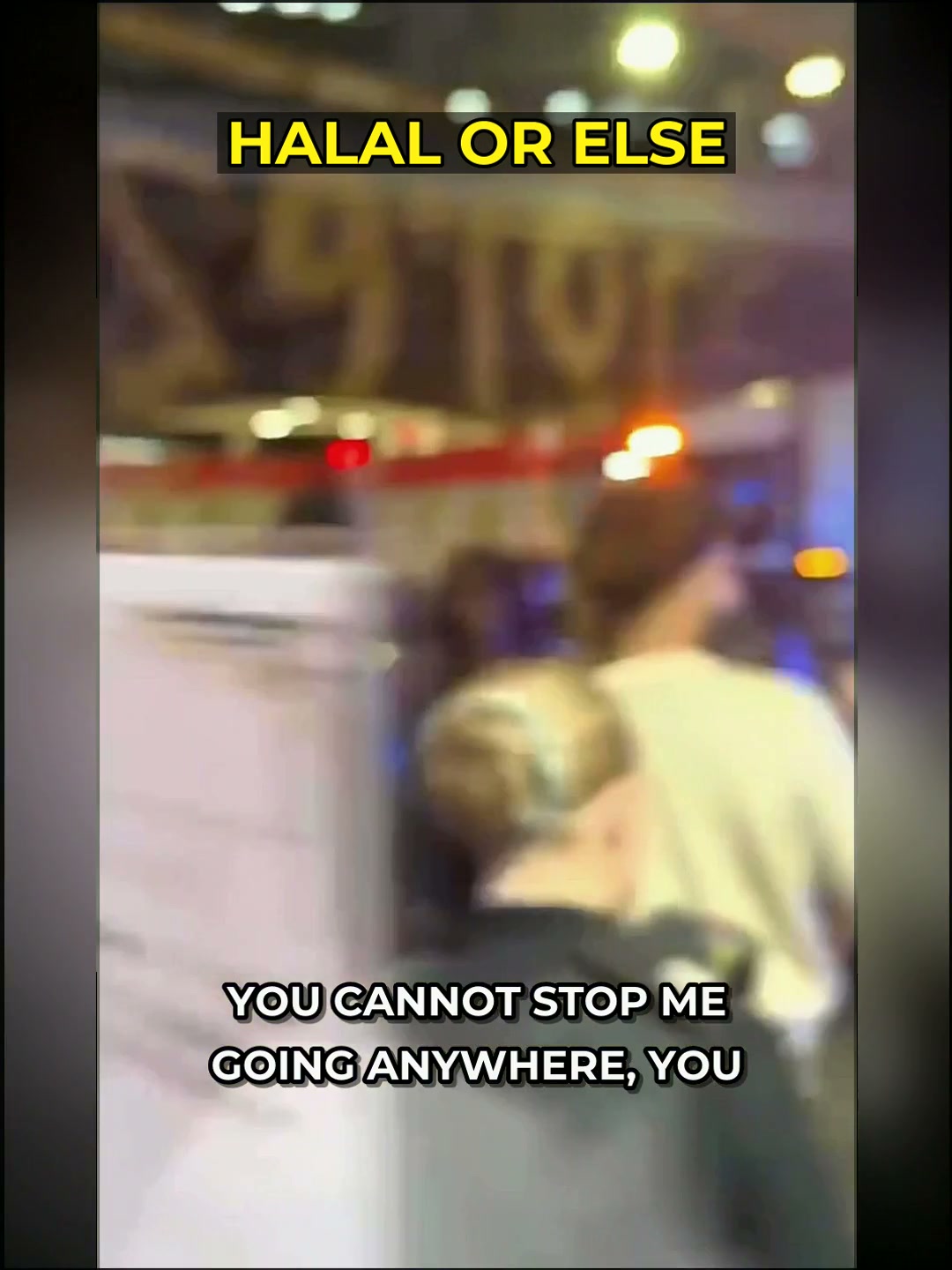
The footage circulating online shows a volatile scene. A man, believed to be part of the protest, shouts about being unable to move freely, while others attempt to manage the crowd. The core issue is not a health inspection or a tax dispute; it is a matter of faith and choice. The family has stated they will not serve halal meat, a stance that has allegedly triggered a torrent of abuse.
According to reports, the threats have escalated far beyond a picket line. The family has been subjected to horrifying communications, including threats of death and sexual violence. This is not a polite disagreement over menus; it is a coordinated effort to intimidate and terrorize citizens out of exercising their right to run a lawful business.
The Anatomy of a Dispute
The video transcript reveals the chaotic nature of the standoff. “You cannot stop me going anywhere,” one voice is heard saying, a statement that cuts to the heart of the matter. The protesters are not just blocking a door; they are attempting to dictate the terms of the family’s existence and freedom of movement. The argument over a bus moving on highlights how a simple logistical issue can become a flashpoint when emotions are running high.
This incident raises a critical question about the limits of protest. While peaceful demonstration is a cornerstone of democracy, it crosses a line when it becomes a targeted campaign of harassment designed to force a specific religious and commercial choice upon a private citizen. The line between expressing a view and enforcing conformity is dangerously thin here.
“This is not about food. This is about whether a family can live in peace without bowing to external pressure. The refusal to sell a specific product is a legitimate business decision, not an invitation for a siege.”
The Legal Precedent
British law is unequivocal on this type of behavior. The Public Order Act 1986 provides protections against harassment, alarm, or distress. Furthermore, the Protection from Harassment Act 1997 makes it a criminal offense to pursue a course of conduct which amounts to harassment of another person. The family is not without recourse; they have the full weight of the legal system available to hold those who threaten them accountable.
The response from local authorities is now under scrutiny. The key is not just to disperse the immediate crowd, but to investigate the origin of the vile threats. Merely moving the protest on does not address the underlying terror inflicted upon the family. True accountability means tracing those threats, prosecuting the offenders, and sending a clear message that this behavior is intolerable in a modern, pluralistic society.

For the family, the road ahead is fraught with anxiety. Even if the physical protest ends, the psychological damage persists. This is why victim support networks and community solidarity are crucial. Organizations like Victim Support in the UK offer free, confidential advice to help people cope with the aftermath of such incidents. Knowing where to turn for legal advice and emotional support is the first step toward reclaiming a sense of safety and control.
The situation in Hammersmith is a stark portrait of how intolerance can manifest. It shows that the battle for basic respect is not fought in distant lands but on the high streets of our own cities. The question now is not whether the family will reopen their doors, but whether the justice system will act decisively to protect them and deter others from adopting these same menacing tactics.
As the crowd disperses and the news cycle moves on, the family is left with a difficult reality. They have become a symbol, but they are still just people trying to make a living. The threats they have received are not abstract legal terms; they are terrifying, visceral assaults on their safety. The silence from certain quarters is deafening, leaving many to wonder if the principles of tolerance and live-and-let-live are only applied when it is convenient. The family remains, waiting to see if the protection promised by the law will materialize, or if they are truly alone in the spotlight.