The Quiet Panic in the AutoZone Lot: A Community Watches, Waits, and Holds Its Breath
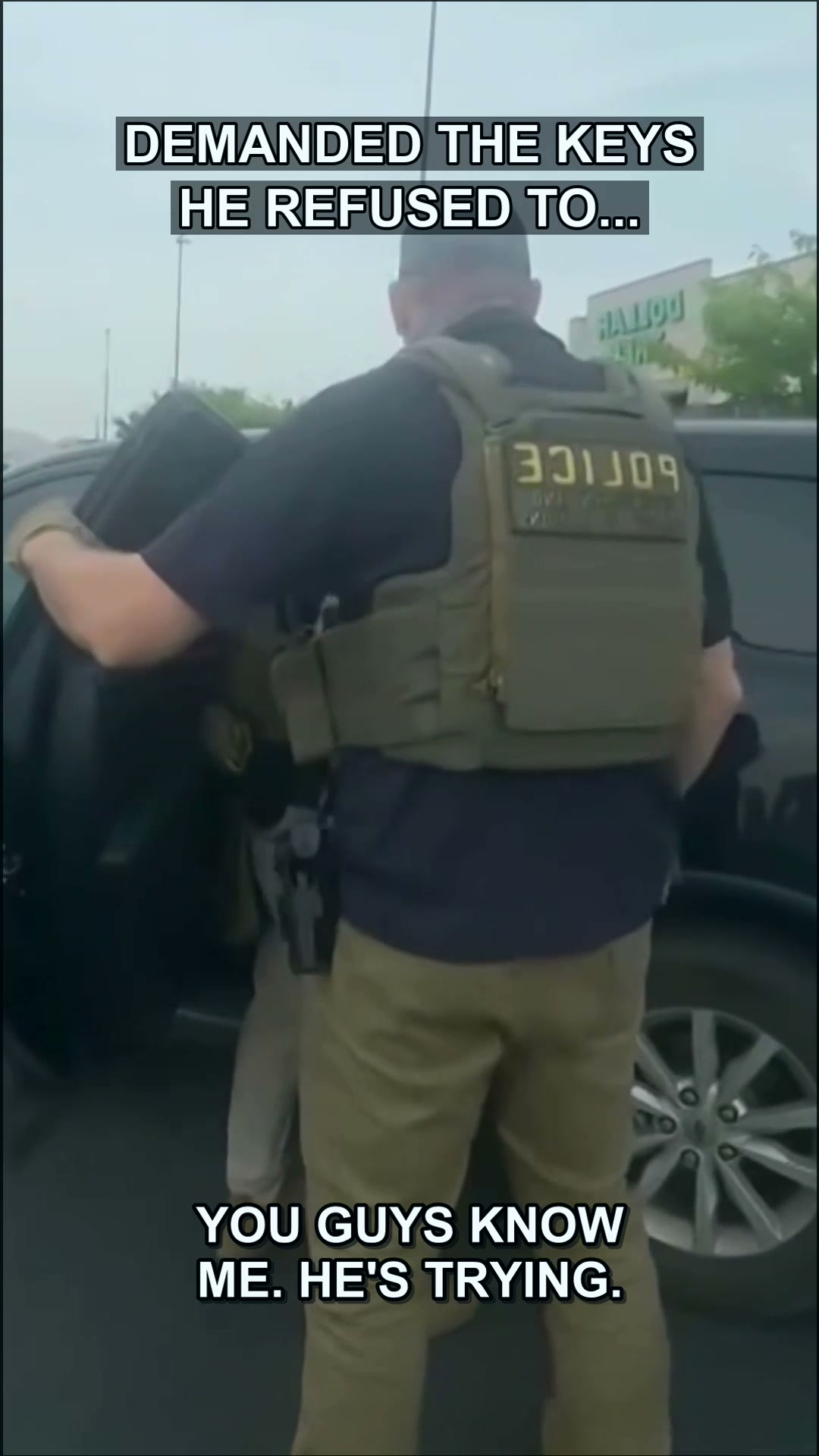
When a routine errand turns into a life-altering moment, the real story isn’t just about the detention—it’s about the strangers, the tension, and the raw human instinct to protect what is yours.
- A Friday morning trip to an auto parts store in Yakima turned into a scene of high tension and public scrutiny.
- The central dispute revolves around a set of car keys and who has the right to hand them over.
- The incident highlights the broader community anxiety surrounding immigration enforcement in everyday spaces.
Imagine running a simple errand. You need a new wiper blade, maybe some brake fluid. You pull into the AutoZone on North Fair Avenue, the one with the familiar orange sign, and you think about the rest of your day. Then, before you can even turn the ignition off, your world tilts on its axis.
That is precisely what happened on Friday at 11:45 a.m. The parking lot, usually filled with the low hum of idling trucks and the clatter of tools, became the stage for a moment that no one saw coming. A man named Juan was taken into custody by immigration enforcement officers, right there in the open, with the afternoon sun beating down on the asphalt.
But here is where the story twists. The moment the officers made their move, another figure emerged from the crowd—someone observers are calling “The Rabid Responder.” This person was already in the lot, already circling, and their immediate goal was not to intervene in the detention. No, their focus was laser-sharp on a single, mundane object: the keys to Juan’s vehicle.
The Standoff Over a Keyring
The video footage captures the raw, unfiltered confusion of the moment. The Rabid Responder is seen approaching the vehicle, hand extended, asking for the keys. They are not an officer. They are not a tow truck driver with a signed authorization. They are simply a person in the lot, demanding access to a vehicle that is not theirs.
This is where common sense begins to fray. The rule of law is incredibly specific about property rights. A set of car keys is not a loose item to be tossed around like a hot potato. It represents ownership, privacy, and the ability to move freely. Handing them over without a court order, without a clear chain of custody, is a violation of the most basic expectations of due process.
“You guys know me. He’s trying.” — A voice from the crowd, capturing the desperation and the plea for recognition in a moment of absolute chaos.
The phrase hangs in the air, a raw plea that cuts through the noise. It is a statement that acknowledges the reality of the situation while simultaneously questioning the actions of everyone involved. It is the sound of a community member trying to make sense of an absurd reality.
The detainee, Juan, is not just a name on a report. He is a person who had plans for the afternoon. He had a vehicle to drive, perhaps a family waiting at home, and a set of keys that were rightfully his. In the span of sixty seconds, those keys became a symbol of his autonomy, and they were being dangled like a prize in a twisted game.
The Human Cost of a Public Spectacle
For the onlookers, the scene was a gut punch. This was not a distant news report from a border town. This was their neighbor, their customer, the guy who helped them find the right spark plug last week. The parking lot became a mirror reflecting a national anxiety that has crept into every corner of American life.
No one in that lot was safe from the chill that ran down their spine. If it could happen here, at 11:45 on a Friday morning, it