The $2,800 Question: When an Airline Argument Over Pronouns Becomes a Financial Trap for Passengers
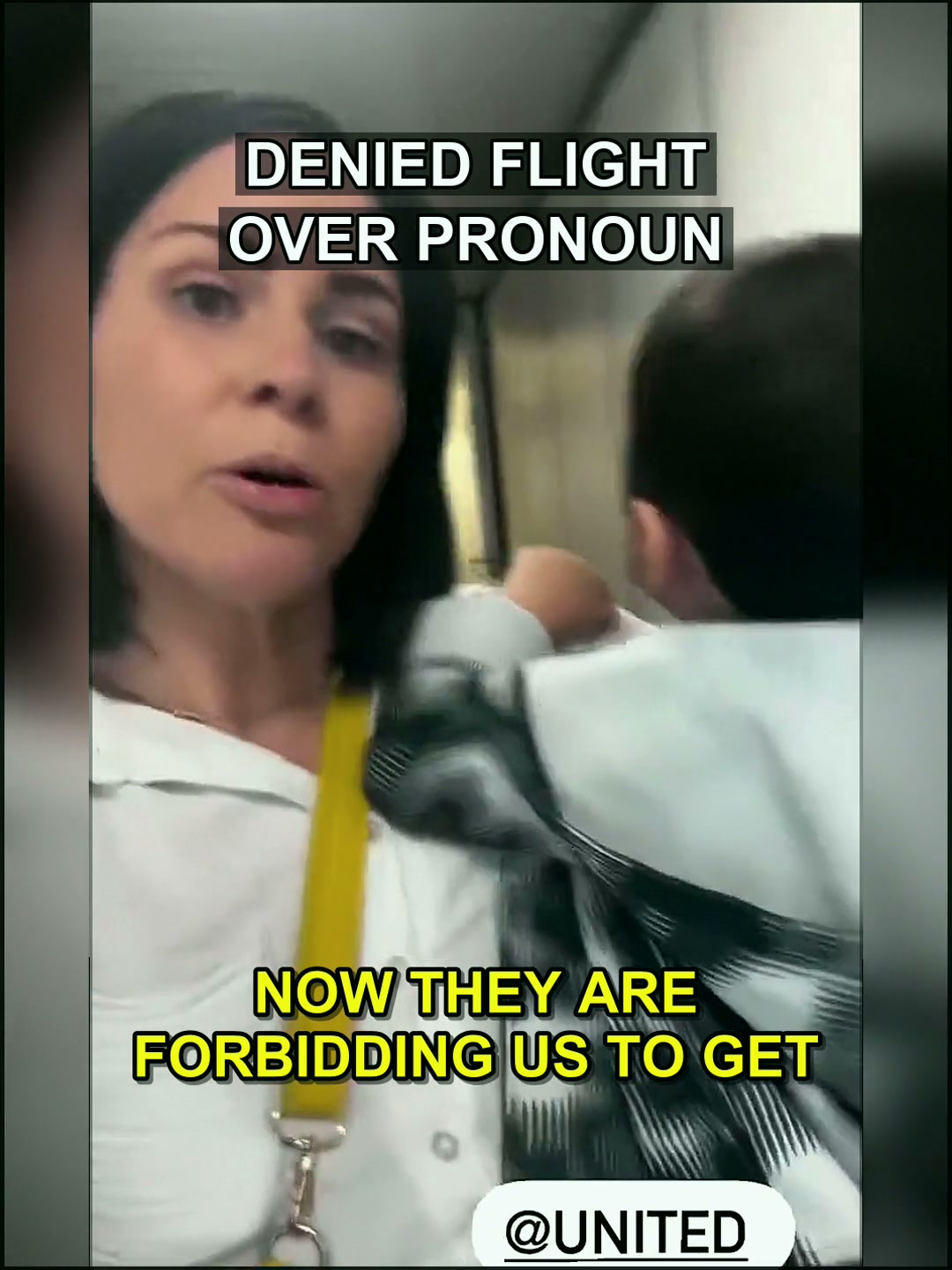
Denied at the gate with a toddler in her arms, this traveler just learned the harsh truth about airline power—and why your ticket is basically a suggestion.
- Airlines hold near-absolute power to refuse boarding, but their reasoning must still comply with federal anti-discrimination rules.
- If you are denied boarding, you may be entitled to compensation under federal law—but only if you know the exact wording to use with gate agents.
- Documenting every interaction on your phone is not paranoia; it is the only evidence that matters when filing a complaint with the Department of Transportation.
She was holding a 25-pound toddler, standing at the gate in San Francisco, ready to fly home to Austin. Thirty minutes of carrying that weight in her arms—because the stroller was already checked—while a United Airlines representative told her that she and her baby were not getting on that plane.
Why? Because the airline claimed she made a “derogatory comment” about a flight attendant. The alleged offense? A dispute over pronouns.
In that moment, the flight became a mountain of paperwork, a wall of policy, and a financial black hole.

This is not a story about manners or workplace sensitivity training. This is a story about what happens when a massive corporation decides you are a problem—and how quickly your paid-for travel plans turn into a fight for your money back.
The Immediate Fallout: No Flight, No Refund, No Explanation
The video shows the mother calmly explaining the situation to anyone who will listen. She is not shouting. She is not causing a scene. She is simply stating the facts: the flight attendant said she misgendered a crew member, and now she and her son are banned from boarding.
United Airlines is a private company. They can refuse service to almost anyone for almost any reason—except for reasons that violate federal civil rights laws. Race, religion, national origin, sex, and disability are protected categories. An argument over pronoun usage, however, sits in a gray area that airlines exploit to the fullest extent of their legal power.
Here is the uncomfortable truth: the airline does not need to prove you did anything wrong. They just need to believe you did.
The financial reality hits immediately. That ticket to Austin might be non-refundable. The hotel room, the rental car, the pet sitter, the missed work hours—all of it evaporates the second a gate agent decides you are not flying.
The Legal Precedent: Why “Contract of Carriage” Is a Trap
Every United Airlines ticket includes something called a “Contract of Carriage.” It is a dense, 50-page legal document that you agree to the moment you hit “Purchase.” Buried inside is language that gives the airline authority to refuse transport to anyone whose behavior is “disorderly” or “objectionable” in the eyes of their staff.
That word—”objectionable”—is doing a lot of heavy lifting. It is subjective. It is unverifiable. And it is virtually impossible to fight in the moment.
When you are standing at the gate with a toddler, you are not in a position to argue legal definitions. You are in a position of pure vulnerability. The airline knows this. That is precisely why their policies are written this way.
“They denied us boarding priority, and now they are about to deny us the ability to board the plane entirely. I am standing here with my son, and no one will give me a straight answer.”
What are your legal options in this scenario? Practically speaking, almost none in the moment. Legally speaking, everything happens after the fact.
What Consumers Actually Need to Know About Their Rights
First, the Department of Transportation (DOT) is the agency that governs airlines. If you believe you were denied boarding unfairly, you file a complaint with the DOT. Airlines are required to respond to these complaints within 30 days. They must provide a written explanation for their decision.
Second, do not accept the first offer. Airlines often offer travel vouchers as a quick resolution. Those vouchers are worth far less than cash. If you were denied boarding and then rebooked on a later flight, you may be entitled to monetary compensation depending on the length of the delay.

Third, document everything. The video this mother took is not just a cry for help—it is evidence. It shows her demeanor, her tone, and the airline’s refusal to provide clarity. In any legal dispute, that footage is gold.
What about the cost of the ticket? If United refused to board her, they are required to refund the unused portion of the ticket. That is not a courtesy; it is a rule. But refunds take time, and time is money.
There is also the question of damages. If the mother missed a connecting flight, a family event, or a medical appointment because of this denial, she could theoretically pursue legal action in small claims court. The airline’s Contract of Carriage often includes a forum selection clause that forces disputes into a specific jurisdiction—usually the airline’s home base—making it prohibitively expensive for an ordinary person to sue.
That is the system working exactly as designed.
For the mother and her baby, the immediate priority is finding a way home. But the broader issue remains unresolved: a single subjective accusation, with no due process, no appeal, and no accountability, cost a passenger her travel plans and bounced her into a bureaucratic nightmare.
United Airlines will face no financial penalty for this decision. The flight attendant will likely face no disciplinary review. The mother will be left to clean up the mess, rebook the tickets, and hope the airline decides to show mercy on the refund.
She is carrying a 25-pound child, but the real weight is the cost of fighting a corporation that holds all the cards.