The Thin Line Between Order and Overreach: How One Swear Word Sparked a Public Reckoning
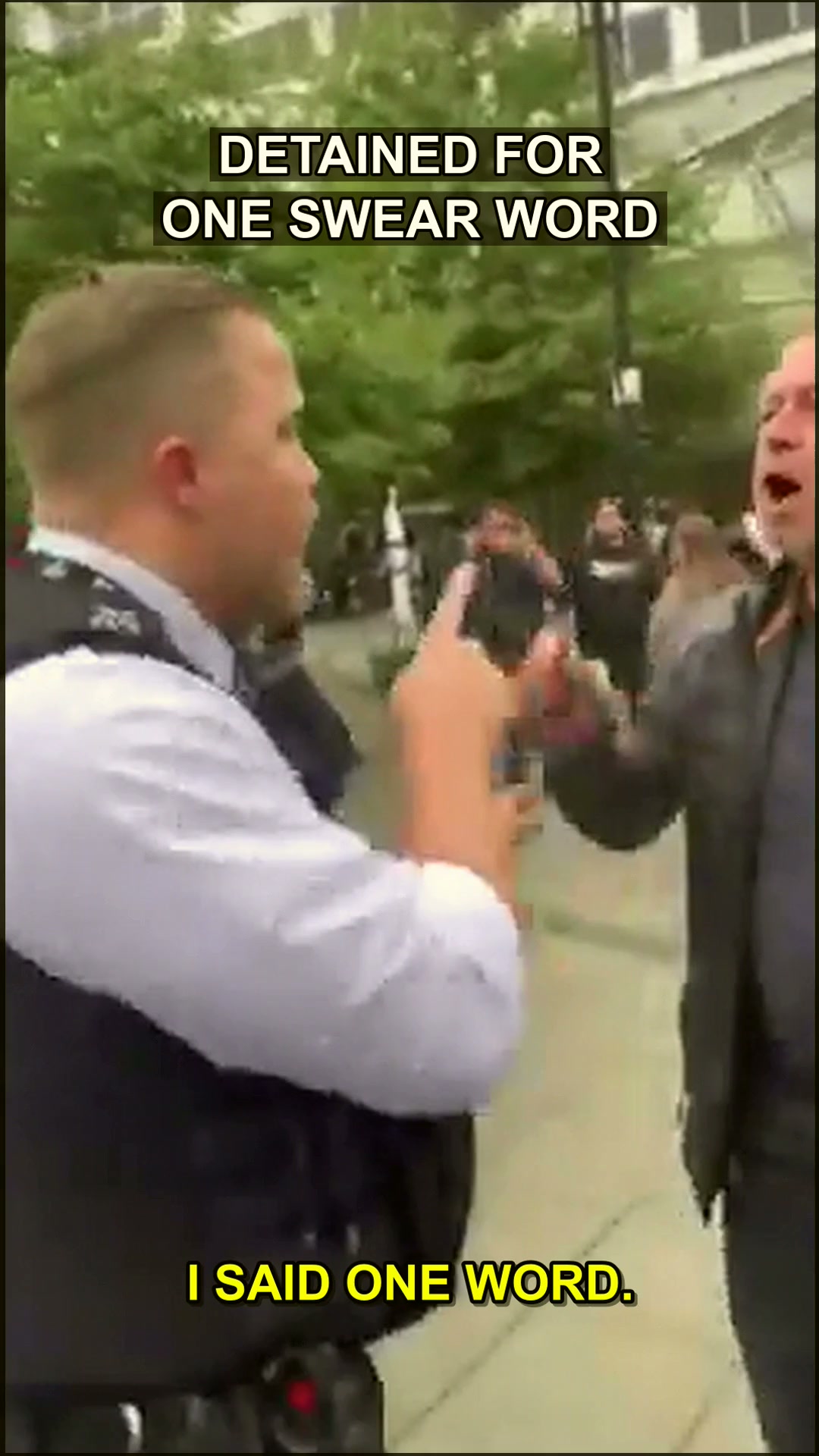
When a minor incident escalates into a costly display of authority, the real question becomes: who is truly accountable for the waste and the fallout?
- Escalation over a petty crime raises serious concerns about resource allocation and judgment.
- Public frustration is mounting over what many perceive as a disproportionate response to minor offenses.
- Understanding your rights during public interactions is crucial for protecting yourself against potential overreach.
The scene outside a shop in Uxbridge, West London, was straight out of a farce. A dozen uniformed officers had assembled for a single mission: to detain a woman accused of swiping a sandwich. The sheer weight of the response felt less like law and order and more like a military deployment for a grocery run gone wrong.
Bystanders stopped, stared, and pulled out their phones. The absurdity of the moment was palpable. Taxpayers watching this spectacle couldn’t help but wonder: is this really the best use of our collective resources? The optics were terrible, and the tension was only just beginning to simmer.

It was the kind of situation that makes you question the judgment calls being made in the moment. Common sense seemed to have taken a back seat to procedure. As the crowd gathered, the atmosphere shifted from curiosity to frustration. One bystander, watching the display of force, decided he had seen enough and voiced what many were thinking: this was a complete waste of money and manpower.
That single comment would turn a petty theft case into a flashpoint about public accountability. The man wasn’t causing a disturbance or posing a danger. He was simply asking a question that hung in the air: why does it take a dozen people to handle one sandwich?
“I said one word. One word.” — The bystander, moments before the situation escalated further.
The response to his inquiry was immediate and chilling. He was suddenly the center of attention, not for asking a valid question, but for letting a single expletive slip in the heat of the moment. The focus shifted from the alleged thief to the man who dared to criticize the operation.
Suddenly, the enormous show of force was redirected. The sheer number of officers on the scene turned from a deterrent for shoplifting into a tool for silencing dissent. The man was confronted for his language, a move that many would argue was a petty overreaction designed to deflect from the initial wastefulness of the operation.

The Escalation Trap
This is where the unedited truth of the situation lies. It wasn’t about the sandwich anymore. It wasn’t even about the swear word. It was about control. When authorities are challenged on their efficiency, the response often isn’t to justify the action, but to find a reason to silence the critic. The arrest of the bystander for a moment of frustration highlights a dangerous trend: the criminalization of dissent.
You have to wonder about the decision-making process that leads to this point. A woman allegedly steals food, and a dozen officers respond. A man questions that logic, and he is the one facing the consequences. It feels backwards. It feels like the system is protecting its own image rather than serving the public interest.
This incident isn’t just a blip on the radar; it is a symptom of a deeper issue. It points to a culture where the letter of the law is applied with zero discretion, while the spirit of justice—which should involve common sense and proportionality—is left at the station. The public is left feeling that they are being policed for the sake of it, rather than being protected.
The Accountability Question
When the dust settles and the paperwork is filed, who answers for the waste? Who looks at the deployment logs and asks if there was a better way? The woman at the center of the initial call is an issue for the courts, but the bystander who was caught in the crossfire represents a larger concern for every citizen who watches this unfold.
The lack of accountability for the escalation is glaring. There is a distinct feeling that the institution will close ranks, pat itself on the back for a job “done,” and move on to the next call. No one will be held responsible for turning a minor incident into a public relations disaster.
For the average person, this is a sobering reminder of why you should always document everything. The video footage from the scene is the only thing that provides a semblance of checks and balances. It is the citizen’s tool against the machinery of the state when it oversteps its bounds.
The Community Ripple Effect
These are the moments that chip away at public trust. It is incredibly frustrating to see people in positions of authority act like the rules of proportionality don’t apply to them. When respect flows only one way, the social contract starts to fray. The community watches, learns, and adjusts its behavior accordingly.
The message sent by this incident is clear: questioning authority can cost you your freedom, even if only for a short time. It teaches a dangerous lesson to the public: stay quiet, don’t ask questions, and accept whatever spectacle unfolds in front of you. This is exactly why our community needs to stay vigilant.
As the man was led away for his “crime” of a single swear word, the crowd was left with a bitter taste in their mouths. The initial shoplifter was an afterthought. The real story was the overreach, the waste, and the assault on common sense. The system failed to protect its own reputation because it failed to act with basic judgment.
“Great innit, brilliant.” — A sarcastic observation from the crowd as the situation spiraled out of control.
The pursuit of justice requires balance. When the response is this heavy-handed, the scales tip away from protection and toward oppression. The memory of this incident will linger in Uxbridge. It serves as a case study in how not to handle a minor event, and it leaves residents wondering what happens when the cameras stop rolling and the questions get even harder to answer.