The True Cost of a “Nope”: When 37 Acres Isn’t Yours Anymore
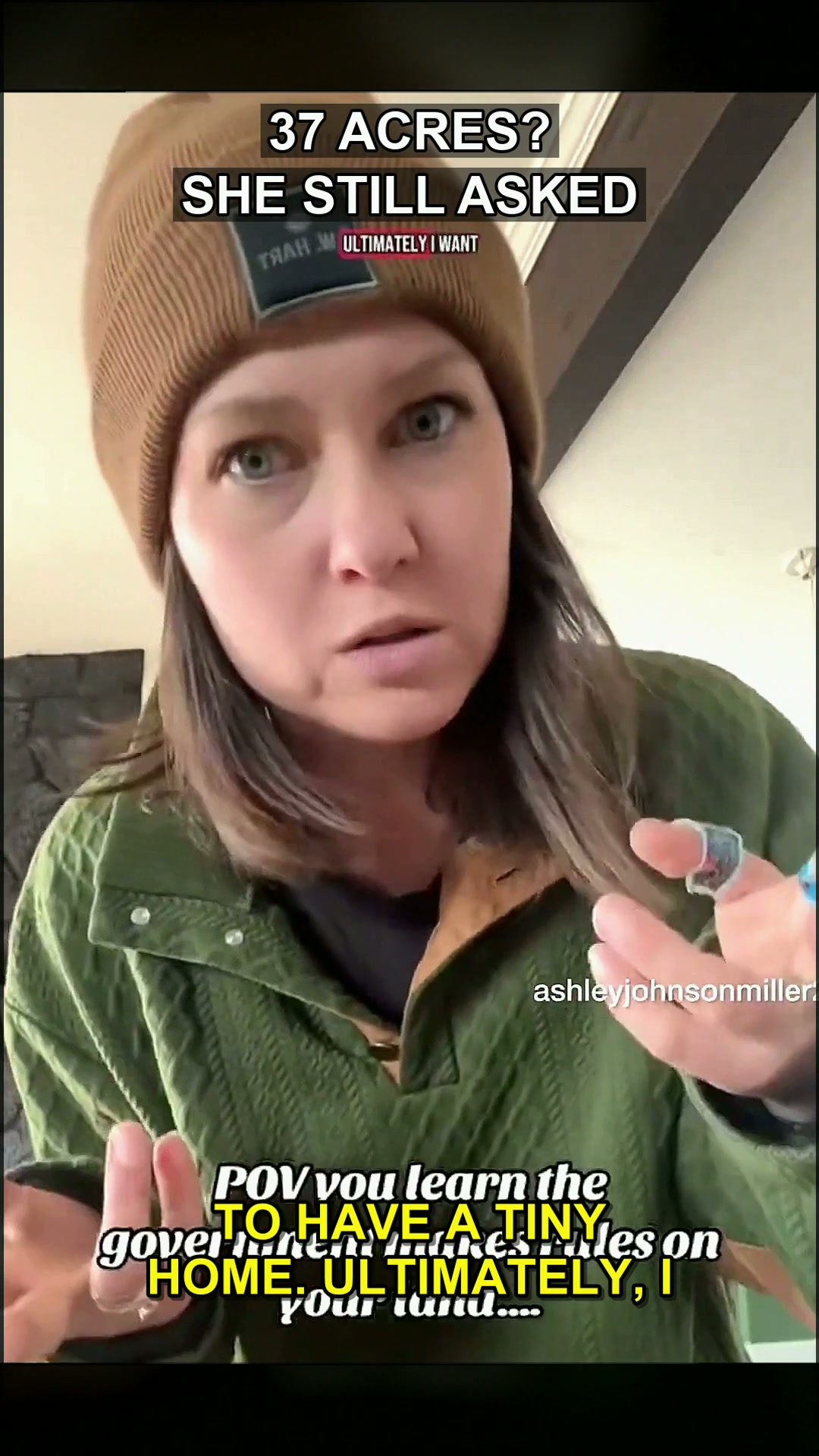
One woman’s dream of building a tiny home for her children hits a bureaucratic brick wall, raising a terrifying question about who really controls your land.
- Zoning laws can override property owners’ intentions, even on massive rural plots.
- The phrase “You can’t do that” often hides a lack of clear municipal planning for the future.
- Understanding local land-use ordinances is critical before purchasing property for generational living.
Imagine standing on 37 acres of land you own, land that stretches far beyond the horizon, and being told you can’t place a small, prefabricated home in the back corner. Not because of safety concerns. Not because of environmental impact. But because a piece of paper from a municipal office says your property is zoned for “one house.”
That is the reality one frustrated landowner just walked into. She walked into the municipal building with a simple, family-driven plan: build a tiny home on her expansive property to secure her children’s future. The response was a flat, unyielding “Nope.”

The “Dude, My Property Is Massive” Moment
The exchange, captured in a viral moment, highlights a growing disconnect between the people who own the dirt and the officials who regulate the air above it. When she pointed out the sheer size of her land—plenty of room for three tiny homes in a back corner—the official doubled down. The rule is the rule.
She wasn’t asking to build a shopping mall. She wasn’t planning a subdivision. She wanted a modest structure for her kids to have a stake in the family land. The response wasn’t just a denial; it was a dismissal of her vision for her own legacy. The lack of specific reasoning—beyond a blanket zoning restriction—is what stings the most.
“What plans does the government have for my property? I don’t understand what you’re saying to me.”
This is the crux of the anger. It is not just about a tiny home. It is about the chilling realization that your deed might not be the final word on your land. When an official says “Nope” without a clear, forward-looking explanation, it breeds suspicion. It forces landowners to wonder if there is a hidden agenda, a future development plan, or simply a desire to maintain the status quo at the expense of individual autonomy.
Your Rights When Bosses and Bureaucrats Push Too Far
This isn’t just a story about a land dispute. It is a textbook case of the power imbalance between the individual and the state. It mirrors the workplace dynamic where an employer or a manager can simply say “No” to a request, leaving the worker feeling powerless and without recourse. In this case, the “boss” is the zoning board, and the “employee” is the property owner.
Just like in employment law, where wrongful termination and unpaid wages are rampant, property law is riddled with traps for the uninformed. The woman in this story likely purchased the land believing she could use it as she saw fit. She is now discovering that “ownership” comes with a long list of invisible strings attached by local governments. The emotional toll is similar to being denied a rightful promotion or having your hours cut without explanation.

The Legal Precedent: The Battle Over “One House” Rules
Across the United States, courts have consistently upheld the authority of local governments to enforce zoning laws. The legal precedent is clear: if the ordinance says one dwelling per parcel, then one dwelling it is, regardless of the acreage. This is where the system feels most rigid.
However, the law also requires that these restrictions be applied reasonably and without discrimination. The problem arises when the denial is arbitrary or when the municipality fails to provide a legitimate public purpose for the restriction. In many cases, these “one house” rules are holdovers from decades past, designed for a different era, and they are now actively preventing families from creating intergenerational housing solutions.
The woman’s question—”What plans does the government have for my property?”—is the key legal battleground. If the zoning code is outdated, residents can petition for a variance or a zoning change. But that process is expensive, time-consuming, and often requires a lawyer. For the average American, the cost of fighting city hall is prohibitive, turning a “Nope” into a final verdict simply because the financial fight isn’t worth it.
Accountability and the Unedited Truth
This incident is a sobering reminder of why you should always document everything. When you buy land, get everything in writing. When you speak to a zoning official, request a written interpretation of the code. Do not accept a verbal “Nope” as gospel. Ask for the specific statute. Ask for the meeting minutes. Force the conversation into the public record.
Common sense says that 37 acres can easily accommodate a few small homes. Basic respect says that a landowner deserves a straight answer about the long-term vision for their property. The “unedited truth” is that many municipal codes are designed to protect the tax base by keeping property values artificially high, which often means restricting density—even the density that would house your own grandchildren.
This is exactly why our community needs to stay vigilant. The rules that govern our land are often written without our input, enforced without our consent, and explained without our understanding. The outrage here is not just about a tiny home; it is about the sheer arrogance of a system that looks a landowner in the eye and says, “We know what is best for your dirt better than you do.”
So, what happens next for this woman? She can apply for a variance. She can attend the next zoning board meeting and demand answers. She can organize with her neighbors to change the code. Or, she can accept the “Nope” and watch her dreams for her children’s future get buried under a pile of bureaucratic paperwork. The choice is hers, but the system is stacked against her from the start.