The Ultimate Accountability Test: When American Workers Abroad Forget the Rules
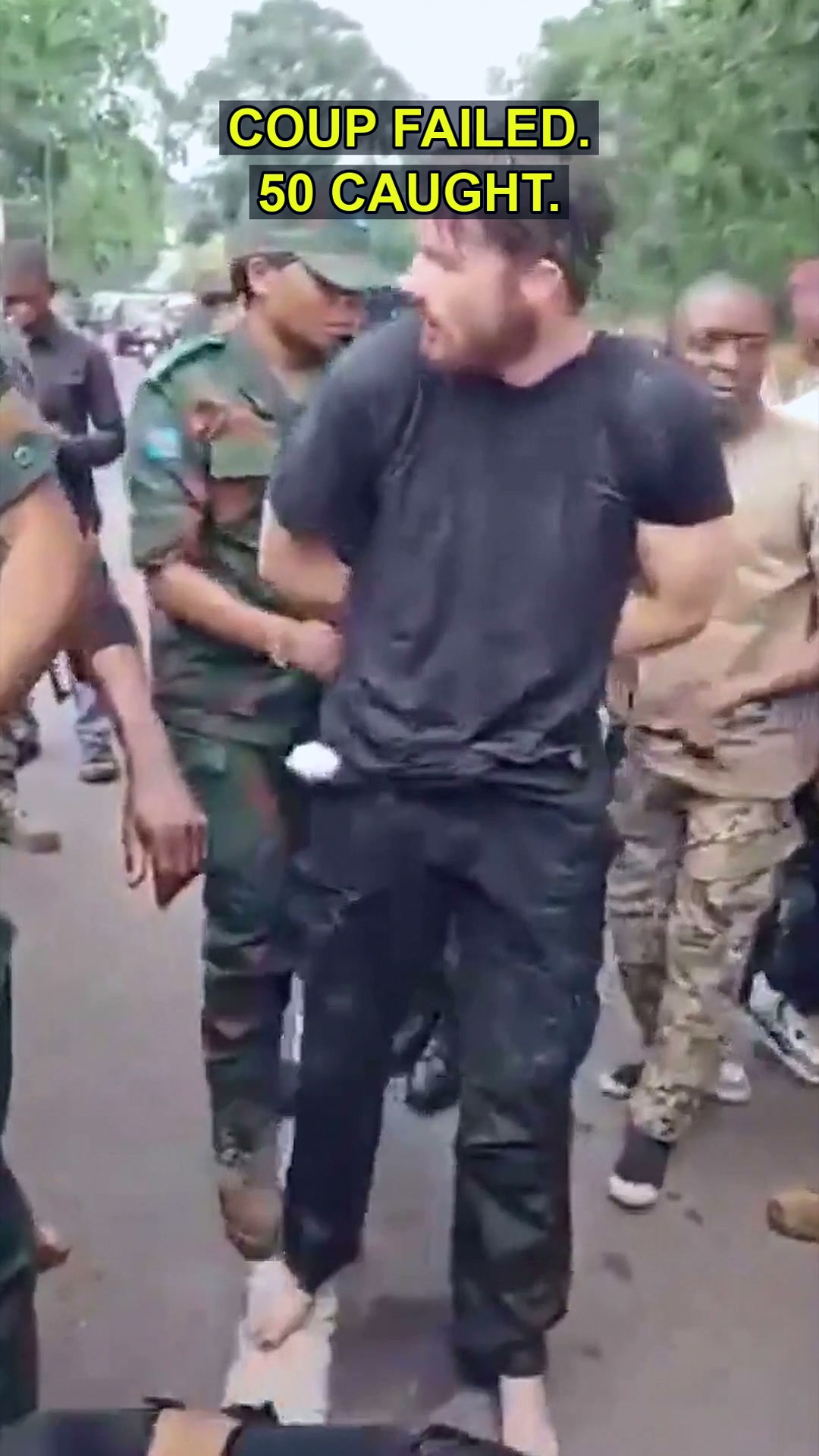
What happens when a freelance gig goes horribly wrong? The Congo incident exposes the brutal line between personal choice and national consequence.
- Three U.S. citizens are implicated in a failed coup attempt in the Democratic Republic of Congo, an incident that left multiple people dead near the presidential palace.
- The DRC military reports roughly 50 individuals were involved, raising serious questions about how foreign nationals get entangled in high-stakes political violence.
- This situation serves as a sobering case study in personal accountability and the legal limits that apply to Americans operating on foreign soil.
Imagine waking up in a foreign country, convinced you are part of a mission to change history. You believe you are on the right side of justice. Then, in a single, deafening moment, the operation collapses. The dream becomes a nightmare. The exit door slams shut. And you are left facing a reality where the consequences are not a slap on the wrist but a lifetime of legal entanglement.
That is the grim picture emerging from the Democratic Republic of Congo, where military officials have confirmed they thwarted an attempted coup near the presidential palace. The incident, which left multiple people dead, has now implicated three American citizens among the alleged plotters. The news is not just a geopolitical tremor; it is a glaring spotlight on the absolute necessity of understanding where your loyalty lies and what your actions truly cost.

The Blurry Line Between Adventurism and Recklessness
For the average American worker, the concept of traveling abroad for a job is often limited to a corporate retreat in London or a conference in Tokyo. But for these three individuals, the “job” was allegedly something far darker and infinitely more dangerous. They are accused of participating in an operation that was never sanctioned, never legal, and ultimately, never going to succeed.
This is where the unedited truth of accountability comes crashing down. You cannot simply decide that the laws of a sovereign nation do not apply to you because you hold a U.S. passport. The rules are not optional. When you step onto foreign soil, you are a guest. When you engage in activities that destabilize that host nation, you become a liability.
“The fantasy of being a freedom fighter dissolves the moment you are standing in a foreign prison, realizing that no one is coming to save you.”
The narrative that often circulates in the shadows is one of heroic resistance. But the reality, as documented by the DRC military, is a failed assault that resulted in loss of life. The families of the deceased do not care about the ideological motivations. They care about the empty chairs at their dinner tables. That is the true cost of unchecked arrogance.
Common sense dictates that you do not involve yourself in the internal political disputes of a nation you do not belong to. Yet, time and time again, individuals with a savior complex convince themselves that they are the exception. This incident is a catastrophic proof that they are not.

The Employer Accountability Question
While the three Americans face the immediate legal wrath of the Congo, the question that lingers for the rest of us is about the support structure. Who hired them? Who funded the operation? Was there a “boss” who gave the order and then retreated to safety? In the corporate world, we demand accountability from executives when their decisions harm the company. In the world of private military contracting or political maneuvering, the trail often goes cold.
This is the silent crisis of worker rights. When someone is sent into a high-risk environment, their legal protections are often murky. If they are acting as independent contractors, they are stripped of the safety nets that employees enjoy. They are left to navigate the justice system of a foreign nation without the backing of a corporate legal team.
The average person might argue that these individuals made their own choices. And they did. But let us not pretend that they acted in a vacuum. There are always puppet masters who prefer to operate from the shadows, leaving the foot soldiers to face the firing squad of public opinion and international law.
The Legal Precedent
International law is unforgiving when it comes to coup attempts. The DRC has jurisdiction over crimes committed on its soil. The United States cannot simply demand the release of its citizens if they are accused of violent acts against the state. The legal precedent is clear: you are subject to the laws of the land where you are physically present.
For those who believe that a U.S. passport is a get-out-of-jail-free card, the Congo incident is a terrifying wake-up call. The concept of “diplomatic immunity” does not apply to private citizens engaged in illegal activities. The embassy will offer consular visits, but they cannot halt a local prosecution.
This brings us back to the core issue of respect. Respect for the rule of law. Respect for the sovereignty of other nations. And respect for the lives that are irrevocably altered when reckless ambition meets reality. The failed coup is not just a headline; it is a case study in the absolute limits of personal freedom.

The three Americans now sit in a precarious position. They are far from home, facing accusations that carry the weight of the death penalty in some jurisdictions. The bravado that may have fueled their journey has likely evaporated, replaced by the cold, hard truth of consequence.
Their families are left to watch from thousands of miles away, helpless. They are learning that the promise of adventure can quickly turn into a prison sentence. The rest of us are left to wonder how many more will be seduced by the allure of clandestine operations before they understand that justice is not a concept—it is a hammer that falls swiftly and without mercy.
The silence from official channels is deafening. There is no clear path forward, only the looming shadow of a foreign legal system that operates on its own timeline. The world is watching, but for the three Americans at the center of this storm, the only thing that matters now is the sound of a cell door closing.