The Unequal Rules of the Street: Why One Faith Gets a March and Another Gets a Rebuke
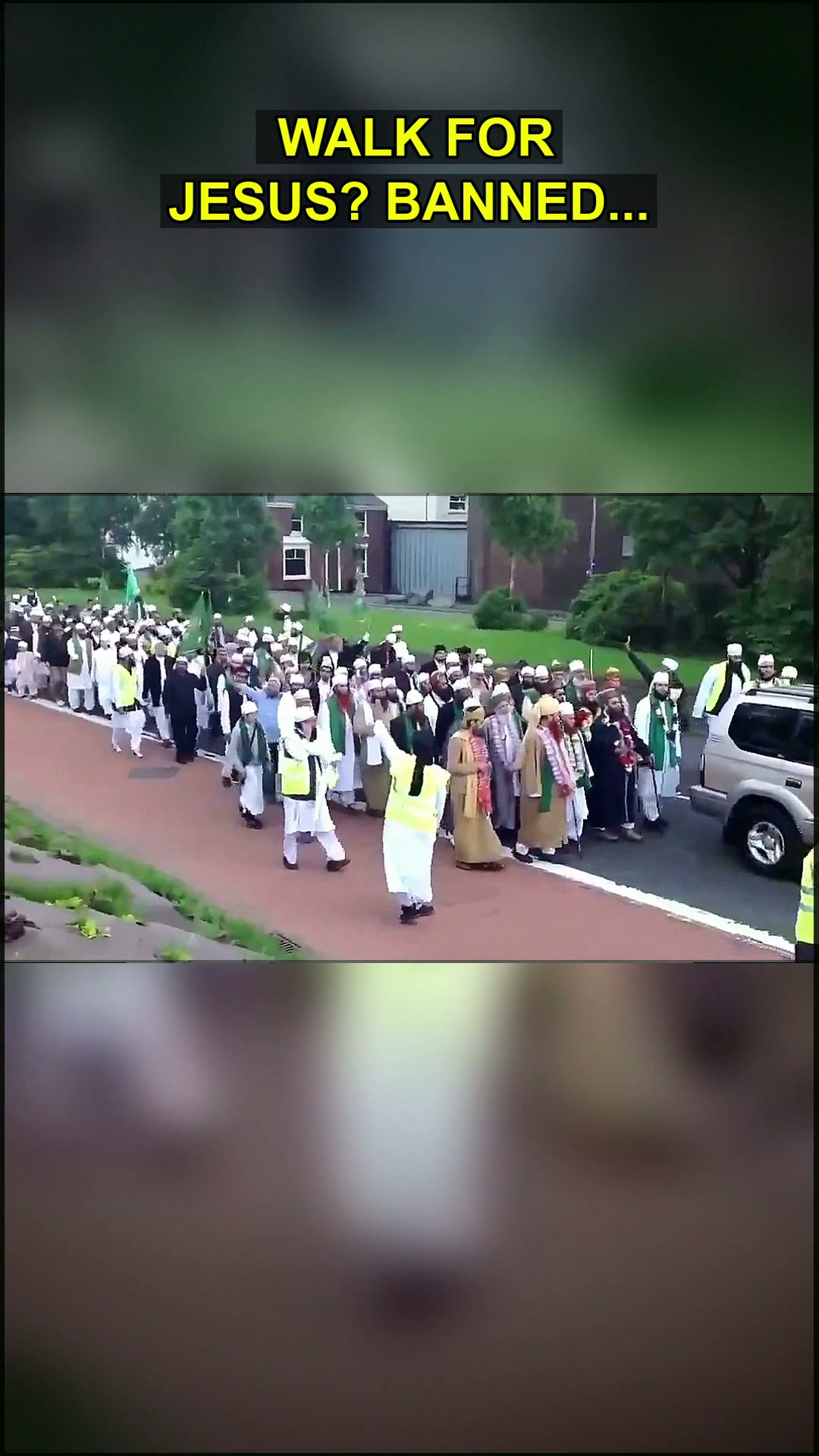
When the right to gather peacefully depends on who is asking, the very idea of fairness takes a hit.
- The decision to block a Christian procession while permitting other faith-based walks raises serious questions about equal treatment under local rules.
- Residents and religious groups are asking for clear guidelines that apply uniformly, not based on who might take offense.
- Community accountability means enforcing standards that protect everyone’s right to assemble without fear of being singled out.
Picture this: you gather with your neighbors, a few dozen people, ready to walk down a public street in London. You have notified the proper offices. You have planned a route. You expect a permit. Instead, you are told no. Not because of traffic. Not because of safety. Because your presence might annoy a different group of people.
That is the reality for a Christian group that organized a “Walk With Jesus” march. The local council stepped in and pulled the plug. Their stated reason? It could provoke the Muslim community in the area.

Here is the part that stings. Similar walks held by Muslim organizations have been given the green light. Same streets. Same rules. Different outcome. The question that hangs in the air is simple: why?
This is not about theology. This is about fairness. When one group is told to stand down and another is told to go ahead, the message is clear. Some voices matter more than others. Some rights are negotiable.
The Uneven Application of Public Space Rules
Local authorities have a tricky job. They must balance the right to assemble with the need to keep the peace. But when the scale tips consistently in one direction, it stops being about safety and starts being about favoritism.
Observers note that public processions are a normal part of city life. They happen all the time. The issue is not the event itself. The issue is the standard used to judge it.
“If the rule is that we cannot walk because someone might be upset, then the rule must apply to everyone. That is common sense.”
The decision sends a quiet but powerful signal. It tells one community that their presence is a problem to be managed. It tells another that their comfort is the top priority. Neither message builds trust.
For the group that was denied, the frustration is not about losing a single afternoon. It is about the precedent. If a peaceful walk can be cancelled because of a hypothetical reaction, what is next? A prayer meeting? A community picnic?
The Legal Precedent and the Path to Accountability
Public gatherings in the UK are governed by laws that require notice and allow for restrictions only under specific conditions. The bar for denying a request must be high. It cannot be based on vague concerns about offending a particular demographic.
Legal experts point out that while local councils have discretion, they must act reasonably. When similar events are allowed, blocking one based on the identity of the participants creates a legal risk. It opens the door to claims of discrimination.
For citizens watching this unfold, the lesson is to document every interaction. Keep the emails. Save the notices. If a decision feels arbitrary, it likely is. And that record becomes the foundation for demanding answers.
The community response has been swift. Local leaders are asking for a formal review of the decision. They want the written criteria used to evaluate the march application. They want to see if those criteria were applied to other events held that same month.

What Justice Looks Like After a Public Snub
When a group feels singled out, the path to resolution is rarely quick. It involves formal complaints, possibly legal review, and a lot of patience. But the process matters. It forces the decision-makers to explain themselves.
For the believers who planned the walk, the immediate goal is to reschedule. The longer-term goal is to ensure that the next application gets a fair shake. They want clarity. They want consistency.
The broader public watches with interest. This is not a niche issue. It is a test case for how public space is shared. If one faith is treated as a nuisance, the door opens for other groups to be marginalized.
Community accountability rests on the willingness to ask hard questions. Why was this event treated differently? Who made the call? What evidence was used? Those questions deserve answers.
Until those answers come, the tension remains. The streets are open to all, but the permission slip is not handed out equally. And that is a problem that no amount of good intentions can paper over.