The Unlikely Neighbors: How a Pub and a Mosque Became a Symbol of Everyday British Resilience
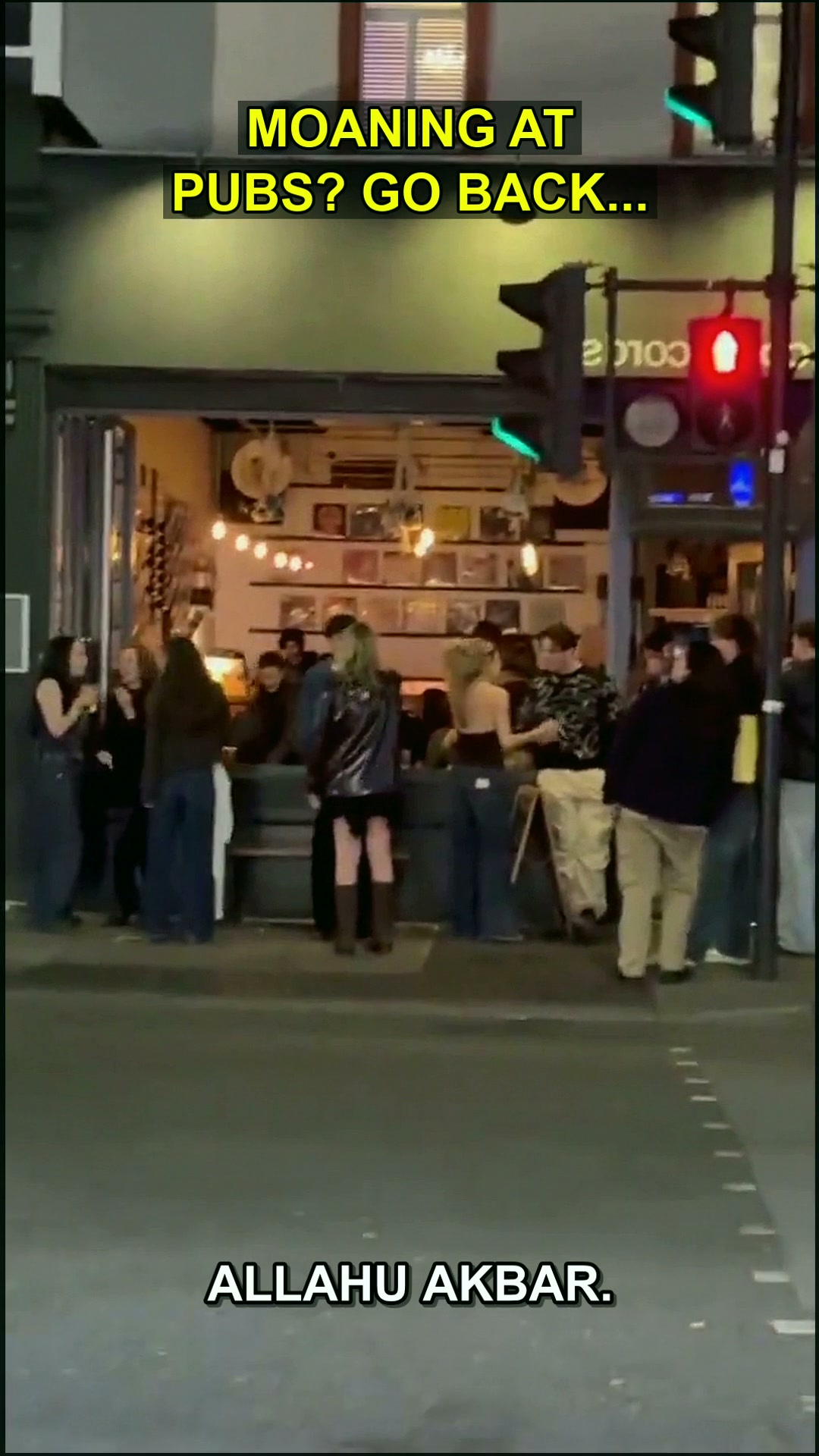
On one unassuming street, two pillars of community life stand shoulder to shoulder. What some call a clash, others see as the unedited truth of modern togetherness.
- An online video highlighting a pub next to a mosque has ignited a heated debate about identity and belonging in the UK.
- The footage reveals a reality of British life where diverse traditions operate in close quarters, challenging simplified narratives.
- The human story here is not about division, but about the quiet resilience of communities sharing physical and social space.
Imagine walking down a typical high street in England. The air smells of ale from the public house on the corner, and a few meters away, the gentle hum of evening prayer drifts from an open door. This is not a scene from a social experiment. It is the reality of hundreds of streets across the United Kingdom.
A recent video, filmed from a car window, has thrown this everyday sight into a global spotlight. The footage is simple: it shows a mosque, and directly beside it, a pub. The voiceover, however, is not simple. It is charged with a hostility that has sparked outrage, confusion, and a surprising amount of reflection.
The reaction online was immediate. Some users expressed deep frustration, echoing the sentiment that certain groups should “go back” if they do not appreciate local customs. Others pointed out the sheer absurdity of the dispute, noting that the pub and the mosque have apparently coexisted for years without issue.
But strip away the online fury, and you are left with a question that matters far more than the pixels on a screen: How do real people, with different beliefs, actually live together?
The answer, for the vast majority, is with a shrug and a nod. They see the pub as a place for a Sunday roast. They see the mosque as a place for Friday prayers. The proximity is not a provocation; it is simply geography.
The Reality Behind the Lens
For the residents of this specific neighborhood, the video is a strange caricature of their daily life. They do not see a “wall of Satan,” as the narrator suggested. They see the local landlord, who knows the names of his regulars, and the Imam, who runs a youth club on Saturdays.
The dispute manufactured online does not reflect the physical reality. Communities that share a postcode often share a bond that transcends the sign above a door. They share concerns about traffic, school placements, and the price of fish and chips.
This is the part of the story that often gets lost. The video attempts to frame a narrative of invasion and resentment. Yet, the calmness of the street suggests otherwise. The grass is cut. The windows are clean. Life is moving on.
“The idea that these two institutions cannot exist side by side is a fiction. They have been doing so for decades. The only conflict is the one being manufactured in the comment sections.”
What the video truly captures is the resilience of the British high street. It is a living organism that adapts and changes. It is a place where the old and the new are forced to rub shoulders, and often, they find a way to get along.
To focus solely on the religious aspect is to miss the point. This is a story about space. Who owns the street? The answer is everyone who walks on it.

The Human Connection
Consider the perspective of a mother pushing a stroller past both buildings. She might stop for a coffee at the café next door. She might wave at a neighbor coming out of the pub. She might also smile at a family leaving the mosque. Her life is not defined by the architecture; it is defined by the interactions.
This is the “human story” that the viral video misses. It looks at bricks and mortar and sees a battleground. But the people inside those buildings are not soldiers. They are parents, workers, and dreamers.
When we reduce a person to the building they worship in or the place they drink, we lose the plot entirely. We forget that a community is built on shared experience, not shared ideology.
The outrage generated by the clip is real, but it is also fleeting. It is a flash in the pan compared to the slow, steady burn of neighborly cooperation. The pub might host a charity quiz night, and the mosque might open its doors for an interfaith iftar. These events do not make the news, but they build the fabric of society.
The Unedited Truth
The unedited truth is that Britain is a complex mosaic. It is not a uniform block, and it never has been. To demand that one culture simply vanish to appease another is a fantasy that ignores the messy, difficult, and often rewarding reality of shared space.
The video ends with a religious exclamation, but the echo it leaves behind is one of division. Yet, the street itself remains silent. It does not choose sides. It simply continues to exist, hosting the cars and the pedestrians, the arguments and the reconciliations.
This is the resilience that matters. It is not loud or aggressive. It is the quiet refusal to let a camera phone dictate the terms of a neighborhood’s identity.
So, what happens next? The internet will move on to the next controversy. The pub will serve its pints. The mosque will call the faithful to prayer. And the people who live there will wake up tomorrow and do it all again. The only wall that exists is the one built of misunderstanding, and it is far weaker than the brick one that separates the two buildings.
In the end, the real story is not about a pub or a mosque. It is about the tolerance that is tested daily, not in grand gestures, but in the simple act of allowing your neighbor to live their life as they see fit. That is a tradition worth keeping.