The Unthinkable Divide: Why a Rally for Lindsay Clancy Feels Like a Nightmare We Can’t Wake From
Mothers showing up with strollers to support a woman accused of the unthinkable has shattered the internet’s sense of justice and left a nation questioning the limits of empathy.
- The rally reveals a deep and painful fracture in public opinion regarding maternal mental health and criminal culpability.
- Legal experts point to the rigorous standards for insanity defenses, which require proving a defendant cannot distinguish right from wrong.
- For observers, the visual of mothers supporting Clancy with their own children present has triggered profound discomfort and outrage.
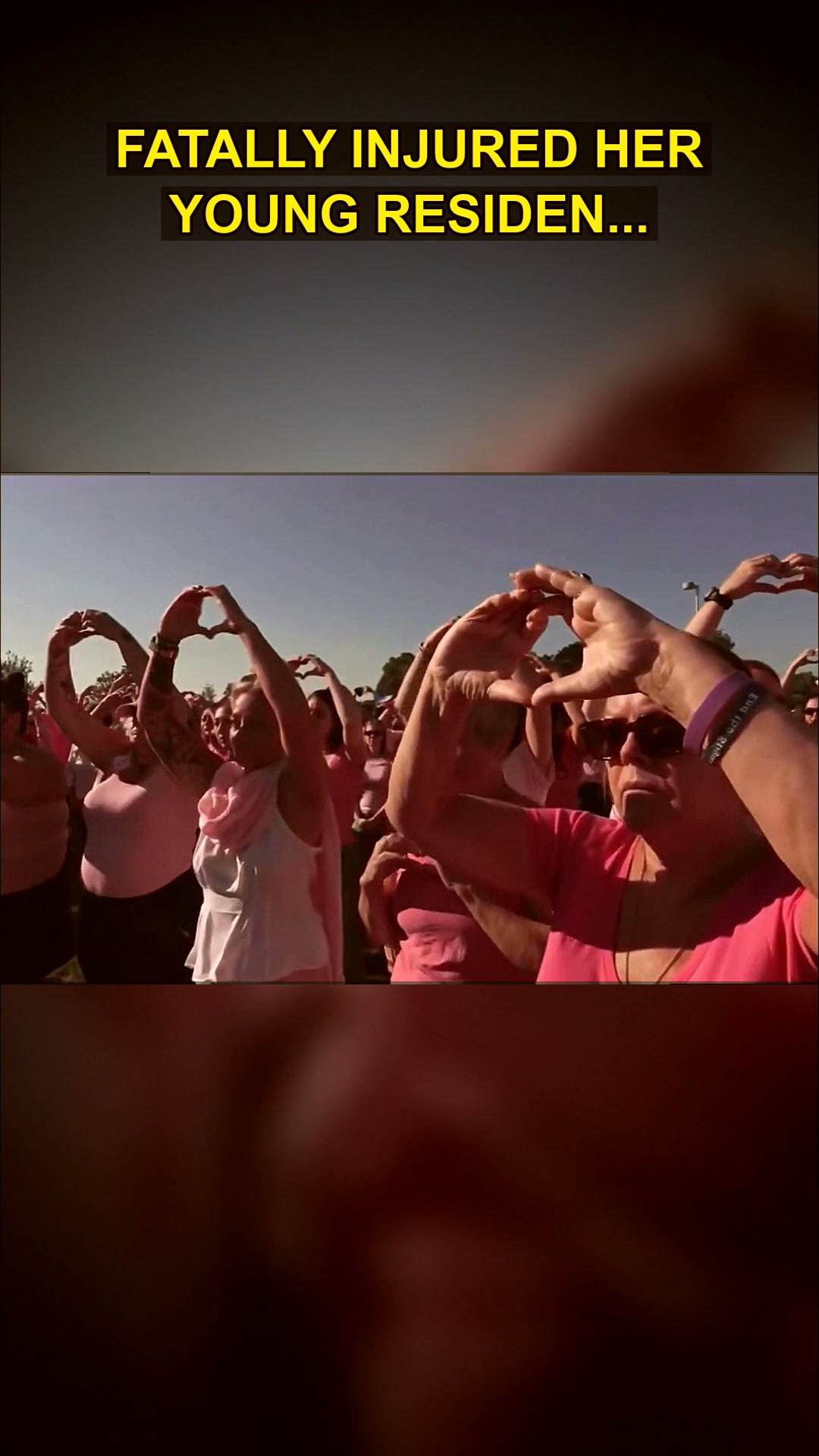
Imagine scrolling through your feed and seeing a crowd of mothers, infants strapped to their chests, toddlers holding their hands, gathering not for a park playdate, but to show solidarity for a woman accused of strangling her own three children. That image is now burned into the public consciousness, and it has split the nation right down the middle.
The footage from the rally is jarring. Women are seen embracing, some holding signs, others simply standing in quiet support. The atmosphere, by all accounts, was somber and tearful. But the backdrop of the event—the horrific allegations against Lindsay Clancy—casts a shadow so dark that it threatens to swallow any message of compassion whole.
This is the moment where the concept of “mental health awareness” crashes head-on into the brutal reality of criminal justice. And the collision is not pretty.
The Rallying Cry vs. The Guttural Reaction
To the women at the rally, this is a tragedy of a broken healthcare system. They see Clancy as a victim of a postpartum mental health crisis that went catastrophically unmanaged. Their argument is simple: if we fix the system, we prevent the next tragedy. They hold their own children tighter, not in judgment, but in fear—fear that without proper help, any mother could spiral into a darkness they cannot comprehend.
“Hold your hands in a hug. Show a hug to Lindsay and to mental health,” one organizer implored the crowd, per the video transcript. The sentiment is one of radical empathy, asking the public to separate the woman from the act.
But for millions watching from the outside, that separation is impossible. The visceral horror of the allegations—the sheer violence and innocence of the victims—makes the rally feel less like compassion and more like a grotesque endorsement of an unforgivable act.
“I never thought I’d see the day hundreds of women would bring their own children to rally for the release of a woman who killed hers. Honestly, I don’t know where we go from here.”
The Legal Precedent and the Wall of Proof
This is where the conversation pivots from emotion to the cold, hard letter of the law. In the United States, the insanity defense is rarely successful. It is invoked in less than one percent of felony cases and is successful even less frequently. The burden of proof often falls on the defense to demonstrate that Clancy was so severely impaired that she could not appreciate the criminality of her conduct.
Prosecutors will argue that the meticulous nature of the alleged acts—the planning, the execution—points to an awareness of wrongdoing, not a psychotic break. They will paint a picture of a woman who knew exactly what she was doing, which strips away the safety net of the mental health argument.
This is why the rally is so polarizing. It is asking the public to accept a narrative that the legal system is specifically designed to scrutinize. It asks for a presumption of innocence based on a medical hypothesis, not on the facts of the case. The chasm between “she was sick” and “she is responsible” is the battleground where this tragedy will be fought.
For the average American, this case triggers a primal fear. It is not about politics or policy. It is about the sanctity of the parent-child bond. When that bond is violated in the most extreme way possible, the public demands accountability, not just explanations.
- Public sympathy for the accused is often inversely proportional to the vulnerability of the victims.
- The rally highlights a desperate need for better maternal mental health screening, but it does not erase the question of legal responsibility.
- Observers are left to reconcile the image of supportive mothers with the grim reality of the charges.
The Uncomfortable Question We Cannot Escape
The footage of that rally forces a confrontation with an uncomfortable truth: we want our mental health advocacy to be pure, but it is often stained by the actions of those we advocate for. We want to believe that empathy is infinite, but cases like this prove that it has a breaking point.
The women at the rally are not monsters. They are likely grieving, scared, and desperate to find meaning in a senseless tragedy. They are channeling their fear into activism. But their presence, with their own living, breathing children in tow, creates a dissonance that is impossible to ignore.
It is a sobering reminder that “common sense” and “basic respect” often vanish when ideology collides with reality. The public is left staring at a paradox: can you support the woman without supporting the act? And if you can, what does that say about the value we place on the lives of children?

The legal system will have the final word on Lindsay Clancy’s fate. But the court of public opinion has already rendered a verdict so fractured and hostile that the wound may never fully heal. The images of those mothers standing in solidarity will linger long after the headlines fade.
It is a terrifying reality that we are forced to witness a movement that claims to protect life, standing in defense of a life accused of extinguishing three others. The cognitive dissonance is deafening, and the silence that follows the rally is filled with the sound of a society questioning its own moral compass.

As the sun sets on that gathering, the mothers go home to tuck their children into bed. They kiss their foreheads and whisper prayers of gratitude. But somewhere in the back of their minds, and in the minds of everyone who watched the footage, the question lingers like a bad taste that won’t go away: if we excuse the unthinkable in the name of illness, what precedent are we setting for the future? The answer remains trapped in the dark, waiting for a verdict that may never bring closure.