The Fine Print Trap: How a Courtside Seat Became a Legal Minefield
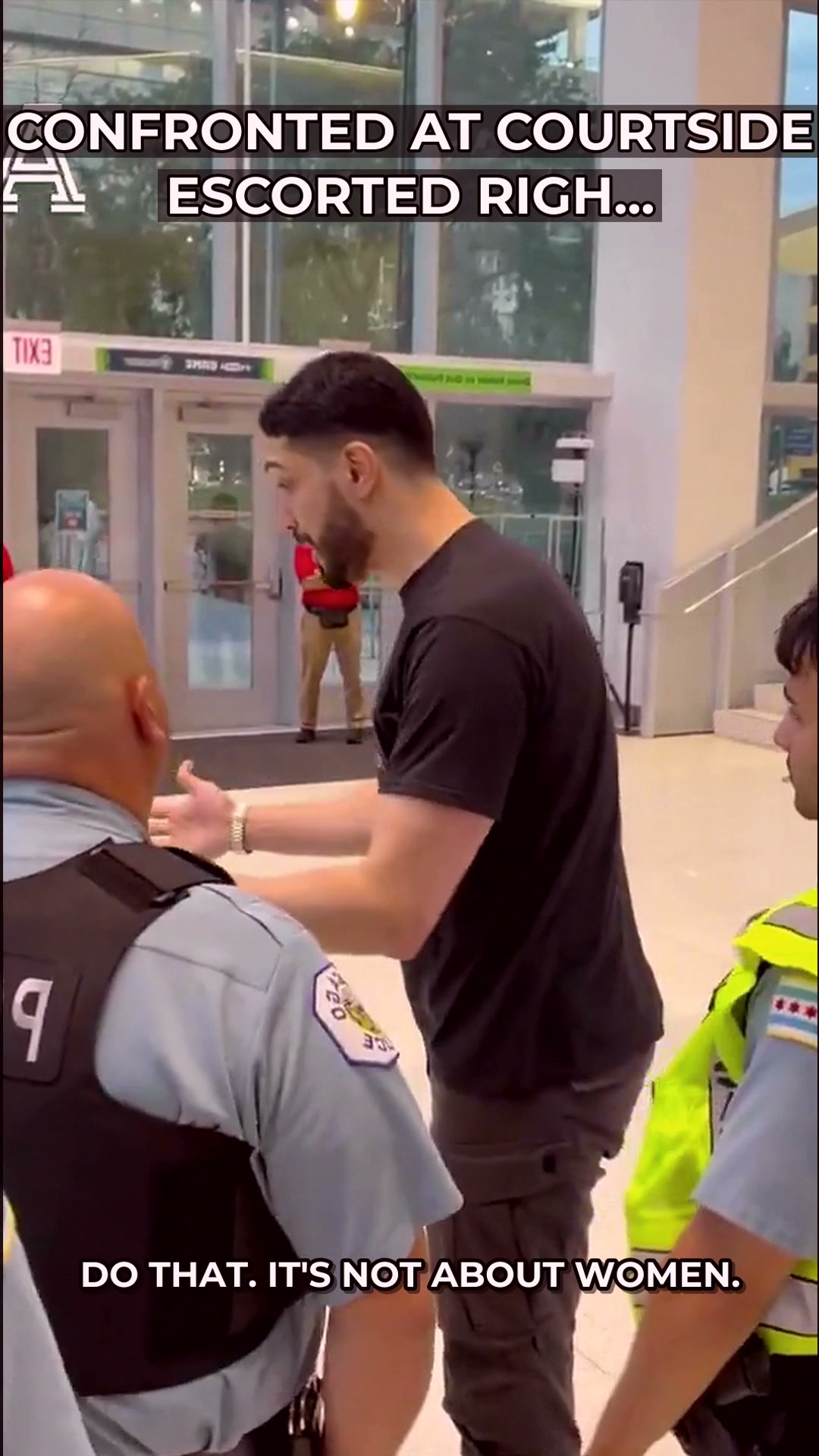
When a public figure gets the boot, the rest of us are left wondering exactly how much power venues hold over our money and our rights.
- Your ticket is not a guarantee of access; it is a revocable license that venues can cancel at their discretion.
- Public figures are held to a different standard of conduct, but the legal principle of “refusal of service” applies to almost everyone.
- Understanding your rights before a dispute happens is the only way to protect your financial investment and your reputation.
Imagine paying thousands for a baseline seat, settling in to watch elite athletes compete, and then finding yourself surrounded by security before the fourth quarter even starts. That is the reality that unfolded for former NBA star Enes Kanter Freedom at Wintrust Arena, and it raises a question that should unsettle every sports fan: How much control do you actually have when you buy a ticket?
The scene was chaotic. A driving layup by Chicago Sky guard Natasha Cloud was followed by a verbal exchange that escalated quickly. Within moments, Kanter Freedom was being escorted through the tunnel, his voice trailing behind him as he insisted he was there to support women’s sports. The arena had decided otherwise.

This isn’t just a story about a celebrity getting bounced from a game. It is a masterclass in the unspoken contract between venues and ticket holders. That piece of paper or digital QR code in your phone? It is not a deed. It is a license, and it can be revoked faster than a free throw attempt.
The Unwritten Rules of the Arena
The average fan looks at a courtside ticket as the ultimate access pass. The legal system looks at it as a temporary, conditional privilege. Venues retain the right to eject anyone they deem disruptive, and “disruptive” is a term that gives them an enormous amount of legal wiggle room.
When Kanter Freedom stated that his removal was “unacceptable,” he tapped into a frustration that many Americans feel when they are asked to leave a private establishment. The instinct is to argue, to demand a manager, to cite your rights. But the law is often cold and unforgiving here.

“Somebody that was sitting there should have their opinion on this, right?”
That question, shouted by Kanter Freedom as he was led away, cuts to the heart of the matter. Does buying a premium seat buy you a voice? The uncomfortable answer for many high-profile attendees is no. The arena is private property, and the home team dictates the atmosphere. When an athlete on the court feels uncomfortable, the venue often sides with the athlete, not the ticket holder.
The Financial Fallout of a Heated Moment
Beyond the bruised ego, there is a financial reality that stings. Courtside seats for WNBA games can run into the hundreds or even thousands of dollars. When a fan is ejected, they rarely get a refund. The venue keeps the money, and the ticket holder is left with nothing but a story and a potential mark on their public record.
This is where the concept of financial accountability comes into play. If you are asked to leave, your immediate recourse is limited. You can dispute the charge with your credit card company, but that is a long shot. You can attempt to sue for breach of contract, but the terms of service you agreed to when purchasing the ticket likely contain a clause that allows the venue to eject you for any reason, or no reason at all, as long as it isn’t discriminatory.