The Quiet Border Watch: Polish Citizens vs. The Midnight Shuttle
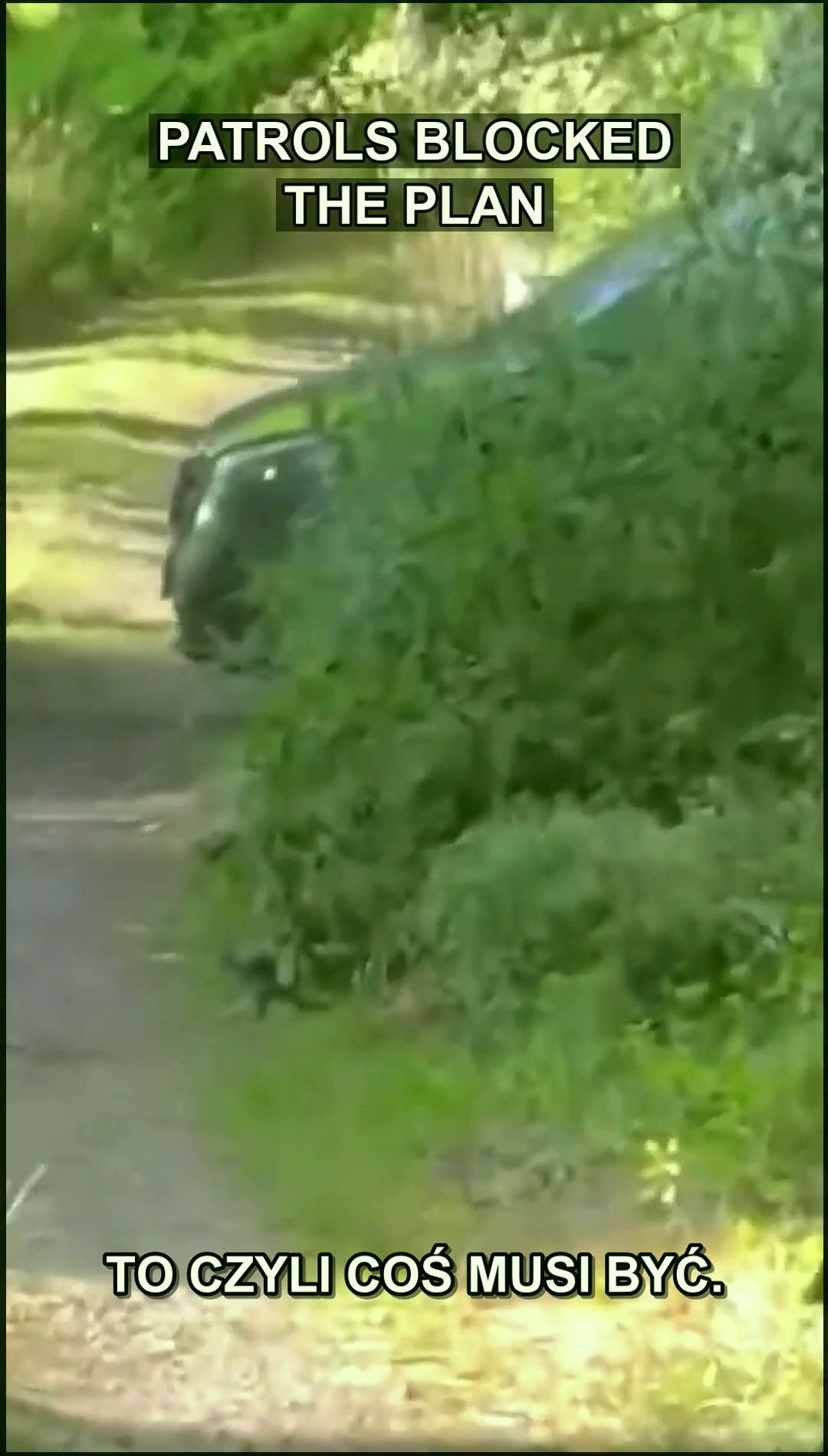
Locals claim vehicles are slipping through forest trails every two hours — and they are tired of being treated like pawns in a political game.
- Residents along the Polish-German border report vehicles passing through remote forest roads every two hours, raising questions about cross-border migration transfers.
- Citizen patrols have stepped in to monitor the area, claiming official oversight is failing to address their concerns.
- The situation highlights broader legal questions about worker rights, border enforcement, and the accountability of authorities operating across national lines.
It is 2 a.m. in the dense forests along the Polish-German border. The only sound is the crunch of gravel under tires that should not be there. Locals say they have counted the vehicles — one every two hours, like clockwork — slipping through dirt roads that are barely wide enough for a single car.
These are not farmers or lost tourists. According to the people who live there, these are official vehicles allegedly attempting to cross the border and leave migrants behind on Polish soil. And the residents have had enough.
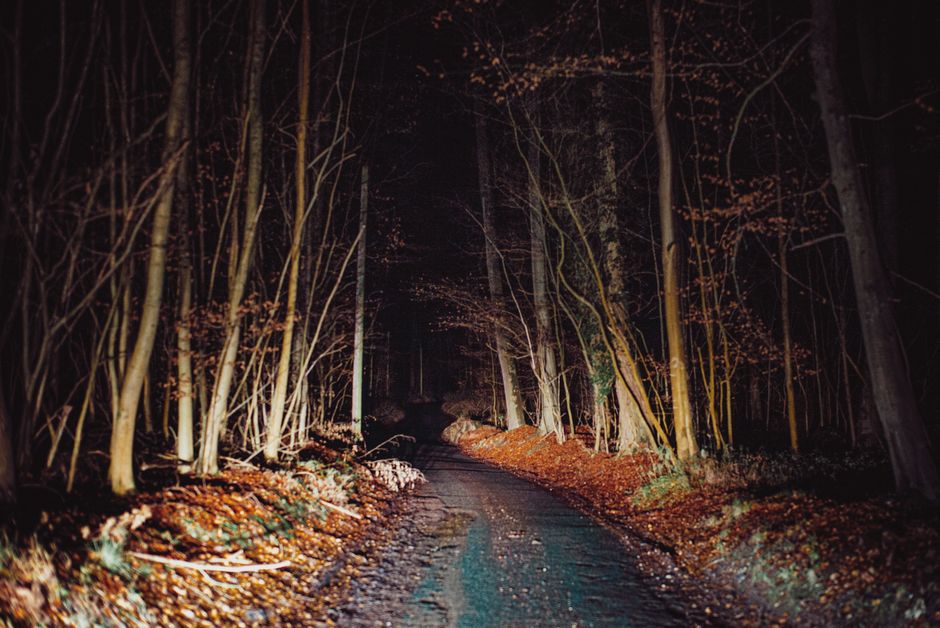
The Citizens Who Refused to Look Away
The so-called “citizen patrols” are not vigilantes in tactical gear. They are ordinary Poles — retirees, teachers, local workers — who decided that if the system would not protect their border, they would watch it themselves. They monitor the forest trails, log the license plates, and document every suspicious movement.
“People say nothing is happening, and then they drive here every two hours,” one local told observers. “So something must be going on.”
These patrols are not breaking the law. They are exercising a fundamental right to observe and report. But the tension is palpable. No one wants to be the person who catches an official vehicle in the act — and no one wants to explain to their neighbors why they stayed silent.
“If they have nothing to hide, why are they using dirt roads in the middle of the night?”

The Legal Precedent: When Borders Become a Loophole
This is not just a story about migration. It is a story about accountability — and what happens when one country’s policy decisions create chaos for another country’s citizens.
Under European Union rules, migrants who cross an internal border are typically the responsibility of the country they entered first. But the allegations here suggest a different scenario: that authorities from one nation may be attempting to offload that responsibility onto their neighbors through informal, unregulated crossings.
For workers and residents along the border, this creates a nightmare scenario. They are not immigration lawyers or border patrol agents. They are people trying to live their lives, and suddenly they are caught in the middle of a geopolitical dispute with no clear legal recourse.
What This Means for Ordinary People
Imagine waking up to find that your quiet rural community has become a staging ground for a political crisis you did not create. Your commute is interrupted by suspicious vehicles. Your children play near roads where strangers appear at odd hours. And when you ask for help, you are told to stay out of it.
This is the reality for residents along this stretch of the border. And it is a sobering reminder of why communities must stay vigilant — because when institutions fail to act, ordinary citizens are often the last line of defense.

The patrols continue tonight. The vehicles keep coming. And the residents keep watching — not out of hatred, but out of a simple demand for accountability. The rules exist for a reason, and when those rules are bent in the dark, under the cover of trees, someone