The Private Property Fallacy: When Bystanders Cross the Line with Federal Agents
>
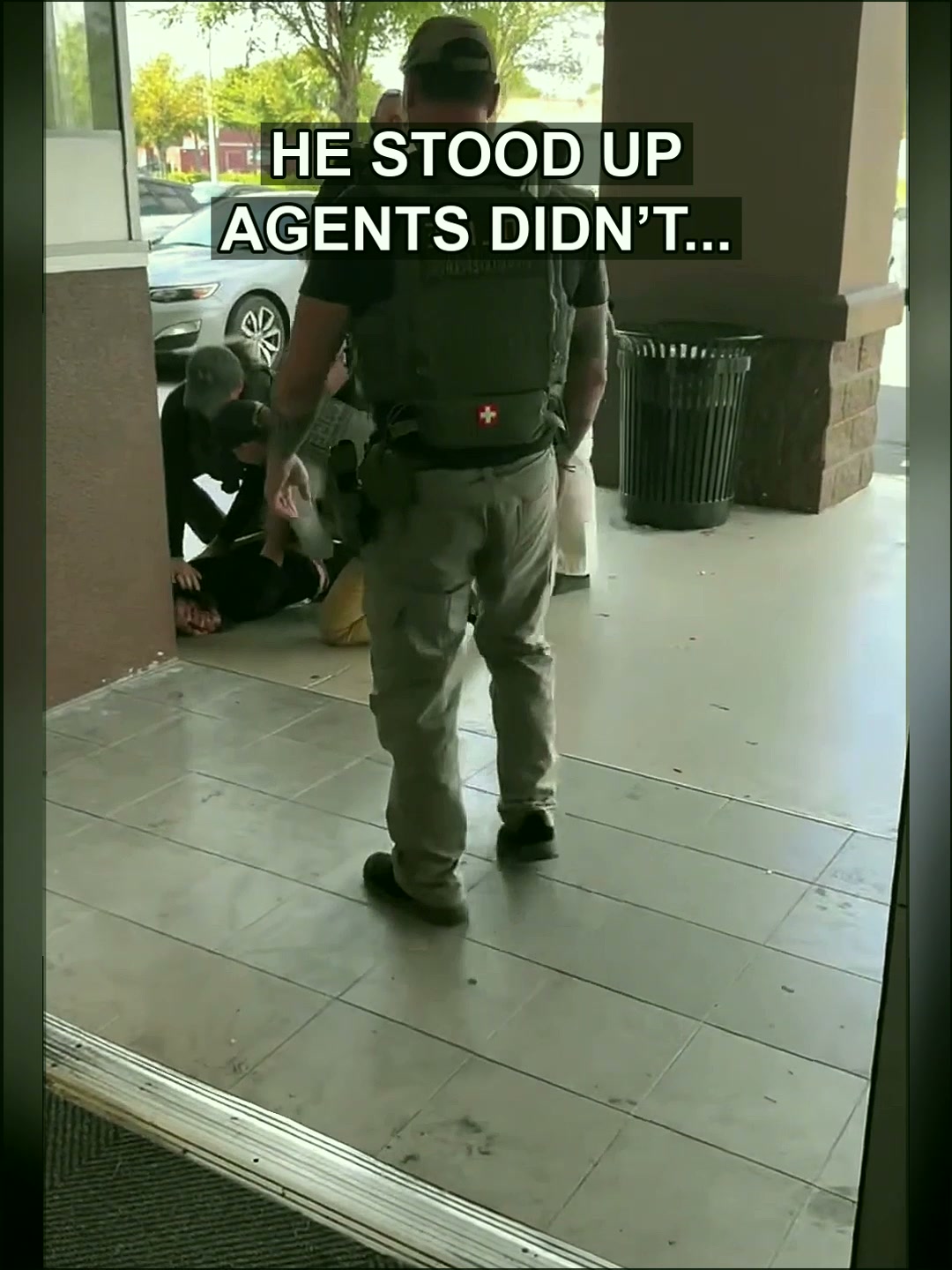
One reckless confrontation outside a Jacksonville Dollar Tree spiraled into a legal nightmare, exposing how little most Americans understand about authority, jurisdiction, and their own rights.
- Private property does not shield anyone from federal law enforcement actions conducted lawfully in public view.
- Interfering with a federal agent during an apprehension can lead to immediate criminal charges, including obstruction of justice.
- Workers and bystanders alike need to know their actual rights, not the imagined ones that spread on social media.
Imagine clocking out after a long shift, grabbing a few items at the store, and suddenly finding yourself in the middle of a federal operation. That is exactly what happened in Jacksonville, Florida, when a bystander decided that a Dollar Tree parking lot was somehow a sovereign zone where the law does not apply.
The scene unfolded fast. Federal agents moved in on an individual outside the store. Within seconds, a man inside decided he had the legal authority to challenge them. His weapon? A complete misunderstanding of what “private property” actually means.
“I’m in private property,” he yelled, as if those words carried the weight of a court order. They do not. They never did. And now, that split-second decision could follow him for years.
“Go, go, let the fuck away from me,” he screamed, shoving his way past agents who were simply doing their job. That is not courage. That is a recipe for a federal charge.
The Dangerous Myth of Private Property Immunity
Here is the unedited truth: private property ownership grants you control over who enters your home or business. It does not grant you immunity from federal law enforcement. When agents are conducting a lawful apprehension in a public space, a parking lot, a storefront, or even a private residence with proper authority, the “private property” argument holds zero weight.
This misconception is spreading like wildfire online, and it is getting ordinary people into serious trouble. The man in Jacksonville learned this the hard way, but his mistake is a warning for everyone watching.
Think about it. You are at work. You see something happening outside. You decide to intervene based on something you read on social media. The next thing you know, you are the one in handcuffs, facing obstruction charges, and your employer is left wondering what just happened to their liability coverage.
What This Means for Workers and Bystanders
For the average American worker, this incident is a brutal reality check. Your workplace is not a sanctuary. The parking lot where you take your lunch break is not a legal gray zone. Federal agents have jurisdiction that extends far beyond the doors of a government building.
This is not about taking sides in a political debate. It is about understanding the legal landscape you live in. When you clock in, you do not leave the law at the door. And when you decide to confront law enforcement, you are gambling with your freedom, your job, and your future.
HR departments across the country are watching this story unfold with dread. One reckless employee, one viral video, and suddenly the company is dragged into a national controversy. Employers have a responsibility to train their staff on what to do when law enforcement is present, but most do not. They assume common sense will prevail. It does not always.
“You have any family?” the agent asked, trying to de-escalate a situation that should never have escalated in the first place. The question hung in the air, a reminder that every action has consequences that reach far beyond the moment.
The Legal Precedent You Need to Know
Courts have repeatedly upheld the authority of federal agents to operate in public spaces, including commercial parking lots. The Supreme Court has made it clear that the Fourth Amendment protects against unreasonable searches, but it does not create a bubble around a strip mall. When agents have probable cause, they can act, and private property is not a shield.
For workers, this means understanding your rights and your limits. You have the right to film law enforcement from a safe distance. You do not have the right to physically intervene. You have the right to remain silent. You do not have the right to scream profanities at an armed federal agent and expect no consequences.
The man in Jacksonville is not a hero. He is a cautionary tale. His defiance lasted seconds. The legal aftermath could last years. And for what? A moment of misguided bravado that accomplished nothing except putting himself in the crosshairs of federal prosecutors.

This is exactly why our community needs to stay vigilant. Not vigilant against law enforcement, but vigilant against the misinformation that convinces ordinary people to make life-altering mistakes. Every video you watch, every post you share, it shapes what you believe about your rights. Make sure you are getting your information from reliable sources, not from someone who thinks a parking lot is a sovereign nation.

The consequences here extend beyond the individual. Employers are now facing the reality that their staff may not understand how to behave when federal agents arrive. This is a training issue. This is a liability issue. And it is a ticking time bomb for any business that ignores it.

The agents did their job. The individual was detained. But the ripple effects are just beginning. The bystander who thought he was making a stand now faces a federal record. The workers inside that Dollar Tree have a story they will tell for years. And every employer watching this clip is asking the same question: Could this happen at my business?
The answer is yes. It could happen anywhere. And the only thing standing between a routine operation and a chaotic confrontation is basic respect for the law and a clear understanding of your actual rights.