The Teen Lifeguard Who Made It to the Oval Office—And the Brutal Truth About the Job Nobody Talks About
>
A split-second rescue turned a 16-year-old into a national hero. But for every lifeguard, EMT, and first responder celebrated in the spotlight, there is a dark reality of underpaid labor, weak protections, and employers who look the other way.
- Lifeguards and first responders routinely perform life-saving work without guaranteed legal protection from retaliation or unsafe working conditions.
- Many teen workers are classified as “casual” or “seasonal,” stripping them of basic labor rights like overtime pay and wrongful termination coverage.
- Federal labor laws have gaping holes when it comes to part-time and young workers, leaving them vulnerable to employer overreach.
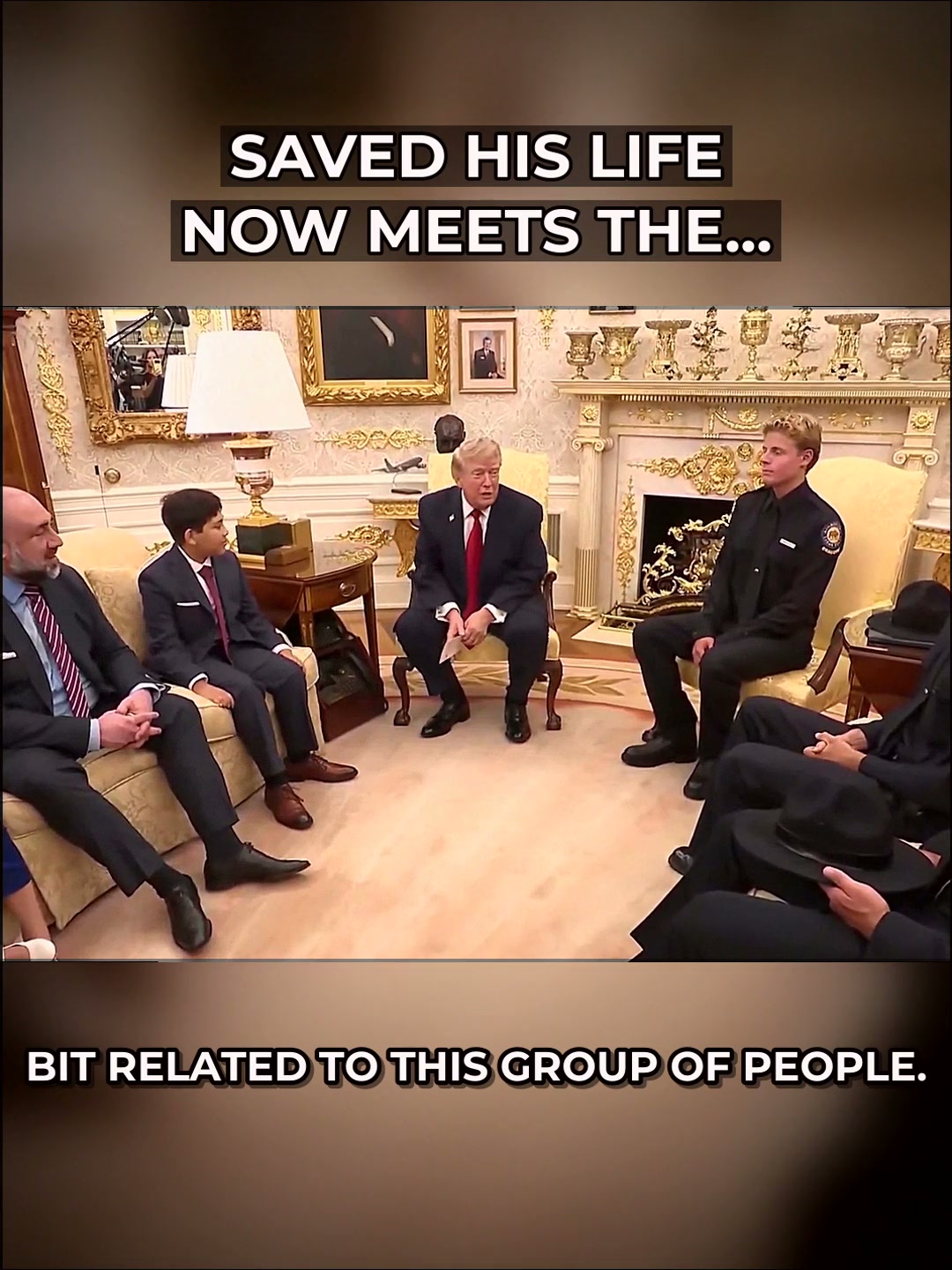
Imagine standing in the Oval Office, the most powerful room in the free world, while the father of a boy you saved looks you in the eye and says he is “beyond grateful.” That was the reality for 16-year-old Ryder Williams, a lifeguard who pulled Nathaniel Rai from danger and ended up shaking hands with the President of the United States.
It is the kind of feel-good story that makes headlines. A hero. A grateful family. A birthday celebration just around the corner. But here is the uncomfortable question nobody in that room wanted to answer: What happens to the Ryder Williams of this world when the cameras stop rolling?
Because for every lifeguard celebrated in the Oval Office, there are thousands more working double shifts at community pools and beachfronts, making near-minimum wage, with zero job security and even fewer legal protections. The celebration masks a crisis that workers in this field face every single day.

The Rescue That Changed Everything
Nathaniel Rai’s father did not hold back. Sitting next to the teenager who saved his son’s life, he spoke with raw emotion: “I’m just beyond grateful to him and Aaron and the rest of the team and even the good Samaritans that were there. It’s such a privilege to be sitting next to him today and be able to celebrate his birthday tomorrow.”
The bond is real. The gratitude is genuine. And the moment is undeniably historic. But behind that warm scene lies a system that fails the very people we call heroes the moment they clock out.
“It’s such a privilege to be sitting next to him today and be able to celebrate his birthday tomorrow.”
The Legal Precedent: When “Hero” Isn’t a Job Title
Here is what the feel-good headlines won’t tell you. In most states, a 16-year-old lifeguard is classified as a seasonal or part-time worker. That classification carries massive consequences. It means they can be let go without cause, denied overtime, and left without recourse if they report unsafe working conditions.
The Fair Labor Standards Act sets federal minimum wage and overtime rules, but it carves out massive exceptions for seasonal amusement and recreational establishments. That means the very pools and water parks where these rescues happen can legally pay lifeguards below minimum wage in some cases, or deny them overtime protections entirely.
Wrongful termination claims from lifeguards are notoriously difficult to pursue. Without a union and without clear contractual language, a teenager who speaks up about a broken ladder, a missing rescue tube, or a manager who cuts corners can be gone by the end of the week. No hearing. No appeal. Just a pink slip and a “we don’t need you anymore.”
And it is not just lifeguards. The same loopholes apply to EMTs, park rangers, and seasonal firefighters. The people who run toward danger when everyone else runs away are often the ones with the least job security. It is a perverse irony that should outrage every American.

The Silent Crisis: Workers Who Save Lives but Can’t Save Their Paychecks
Ryder Williams got his moment in the sun. But for every lifeguard who makes a dramatic rescue, there are hundreds who show up day after day, scan the water for hours, and go home with a paycheck that barely covers gas and a fast-food meal. The average lifeguard in the United States earns between $11 and $15 an hour. In high-cost areas, that is not a living wage. It is pocket change.
When these workers ask for a raise or point out that the pool’s filtration system is broken, they are often met with silence. Or worse, they are branded as difficult. The same employers who post “Heroes Wanted” signs in the summer are the ones who slash hours in the fall without a second thought.
And let’s talk about accountability. When a rescue goes wrong, the lifeguard is often the first to be blamed. But when a rescue goes right, the praise is temporary. The recognition fades by the next news cycle. Meanwhile, the employer continues to profit from the labor of these young people without offering health benefits, retirement plans, or even a guaranteed number of hours.

The father in the Oval Office said the family will “stay a little bit related to this group of people.” It is a beautiful sentiment. But relationships don’t pay bills. They don’t ensure that a 16-year-old lifeguard has the legal backing to demand a safe working environment. And they don’t change the fact that the labor protections for these workers are dangerously thin.
So enjoy the heartwarming photos. Celebrate the rescue. But remember this: The next time you see a lifeguard sitting high in that chair, understand that they are not just watching for swimmers in distress. They are also navigating a system that offers them almost no protection if they speak up, no security if they get hurt, and no guarantee that their heroism will be rewarded with anything more than a fleeting headline.
Ryder Williams got his Oval Office moment. The rest of them are still waiting for basic respect.