The Silent Wait: Inside the Unseen Sacrifice of Military Families and the Unshakeable Bond That Keeps Them Going
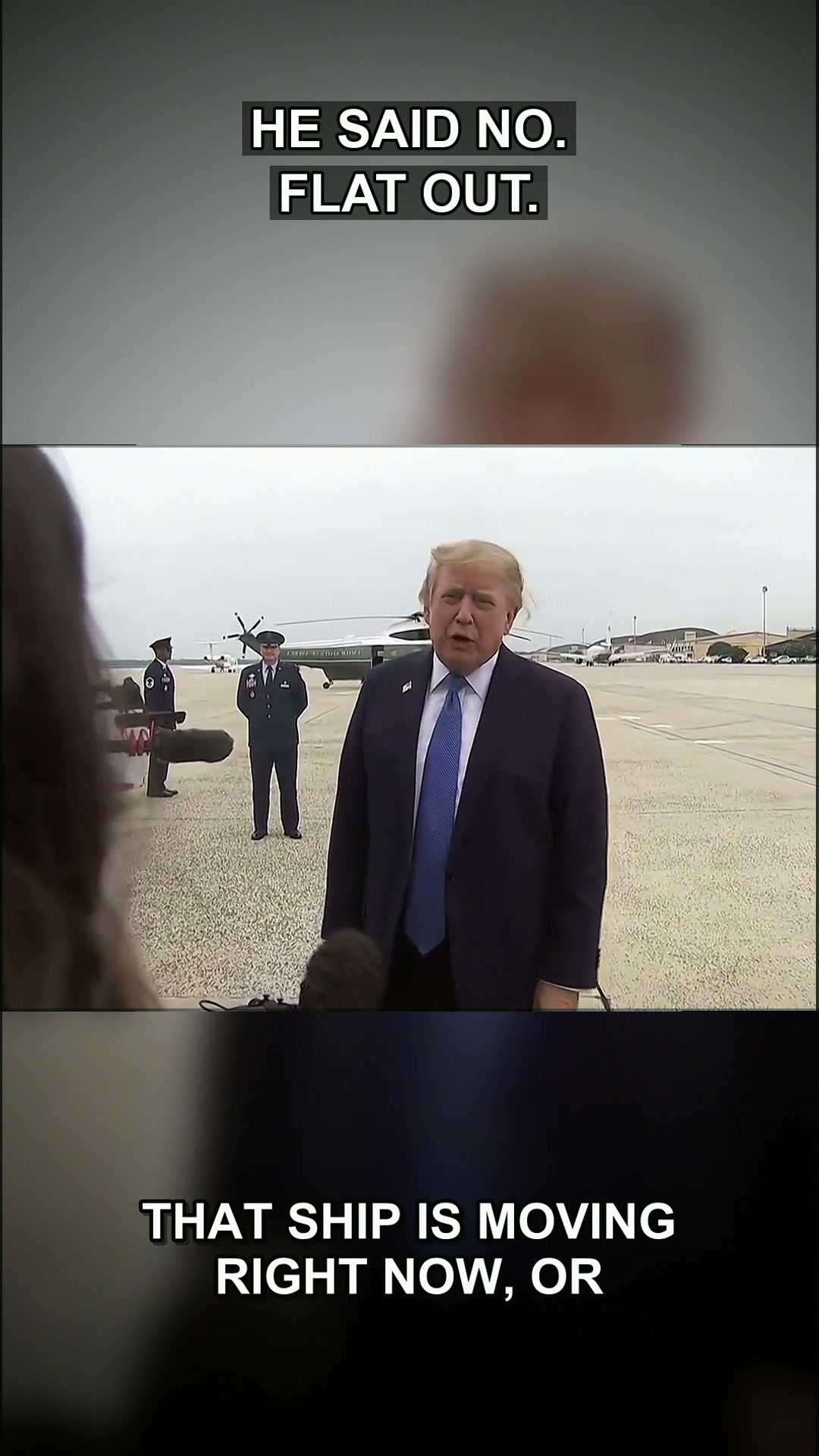
A brief, blunt exchange about the USS Lincoln’s extended deployment opens a window into the anxiety, pride, and raw resilience of the people left on the shore.
- The exchange highlights the emotional chasm between strategic decisions and the personal toll they take on families.
- Military communities rely on deep-rooted support networks to manage the stress of unpredictable deployments.
- Behind the political headlines, the human story is one of endurance, mutual aid, and quiet strength.
Imagine waking up at 3 a.m. to the ping of a text message that isn’t from your spouse, because your spouse is 6,000 miles away on a ship that was supposed to be home three months ago. You check the news, and you see a man in a suit dismiss the very knot in your stomach with two words: “No they’re not.”
That is the reality for the families of the USS Lincoln. The aircraft carrier, a floating city of steel and resolve, has been at sea for what feels like an eternity. And when a reporter dared to ask if the deployment had dragged on too long, the answer was a brisk, almost dismissive, “Not nearly long enough.”

It is a moment that freezes the frame on a deeper truth. The debate over timelines and force posture is a war fought in conference rooms. But the real war—the one that leaves invisible scars—is being fought in quiet kitchens and empty bedrooms across America. It is a war of waiting.
The Human Cost of the Calendar
For the families, the deployment isn’t a political talking point. It is a missing chair at the dinner table. It is a child asking, “When is Daddy coming home?” and a mother not having an answer. It is the constant, low-grade hum of anxiety that spikes every time the news cycle mentions the ship’s name.
This is where community resilience stops being a buzzword and becomes a lifeline. Spouses form private chat groups, sharing intel on port calls and swapping tips on how to fix a garbage disposal. Neighbors mow lawns for the families who can’t. It is a quiet, unglamorous network of survival.
To be clear, the bluntness of the political response stings. It feels like a dismissal of the sleepless nights. But for the families, it also solidifies their identity: they are not passive victims. They are the backbone of the operation, the ones who keep the home fires burning so the mission can be completed.
“You learn to live in a state of suspended animation. You celebrate birthdays on video calls, and you hold onto the sound of their laugh like it’s the only thing keeping you tethered to the ground.”
There is a specific kind of strength born in these moments. It’s the strength of a spouse who manages a full-time job, three kids, and a leaking roof, all while maintaining a smile for the kids. It is the strength of a parent who holds back tears during a 10-second satellite call.
The Unedited Truth of Service
The exchange on the tarmac was a stark reminder of the friction between the macro and the micro. The macro says the deployment is necessary for stability. The micro says a father missed his daughter’s first piano recital, and no strategic doctrine can replace that.
Yet, in the face of that harshness, the human story refuses to be crushed. It adapts. It finds new ways to connect. It builds deeper empathy among those who share the burden. The community becomes a fortress, not of concrete, but of shared sacrifice.
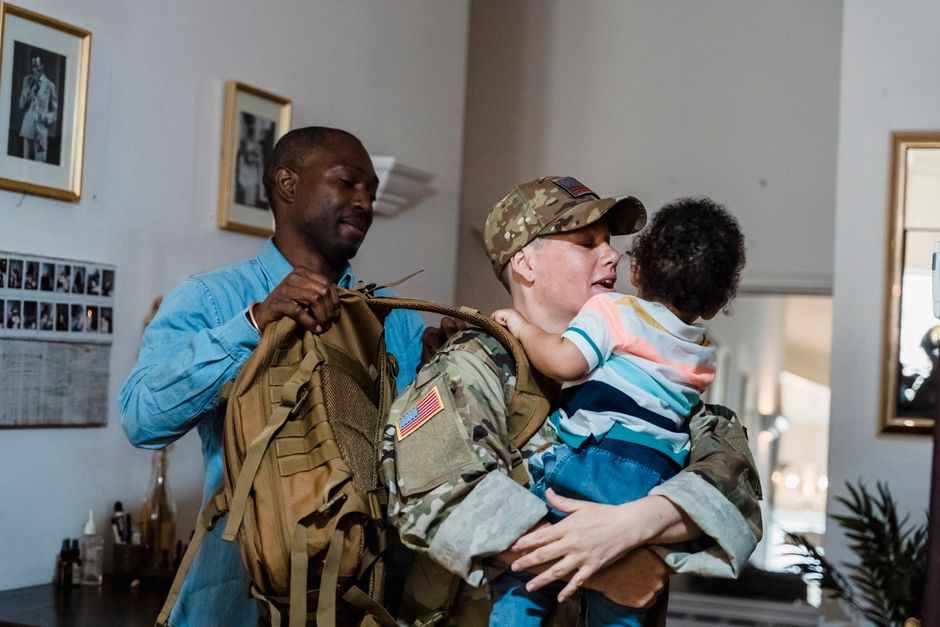
We often hear about the “silent ranks” of the military family. This is the unedited truth of that silence. It is not a void; it is a thrumming, active space filled with coping mechanisms, unspoken fears, and a fierce, protective love that refuses to be broken.
Why Moments Like This Matter
Why does a brief, tense press exchange resonate so deeply? Because it puts a spotlight on a world that is usually invisible. It reminds us that behind every headline about force readiness, there is a neighborhood in Norfolk or San Diego where the driveways are empty and the welcome home signs are gathering dust.
It also highlights the incredible capacity of the human spirit. These families are not waiting passively. They are living. They are building businesses, raising resilient children, and supporting each other in ways that would make corporate team-building exercises weep with envy.
They know that the mission is bigger than one person. But they also know that their mission—to hold the family together—is just as vital. The pride they feel for their service member is intertwined with the loneliness they feel in their absence. It is a complex, messy, and deeply human paradox.

The debate over the length of the deployment will continue in Washington. Politicians will trade barbs, and analysts will debate the strategic implications. But on the ground, in the homes across the country, the story is different. It is about a neighbor bringing over a casserole. It is about a friend offering to take the kids to soccer practice. It is about the unshakable belief that the person you love is doing something important, and that you, too, are part of that mission.
That is the connection that binds us. That is the resilience that defines us. And that is the story that will be told long after the ship docks and the cameras leave.