The True Measure of Justice: How Communities and Law Enforcement Hold Reckless Drivers Accountable After Gunpoint Incidents
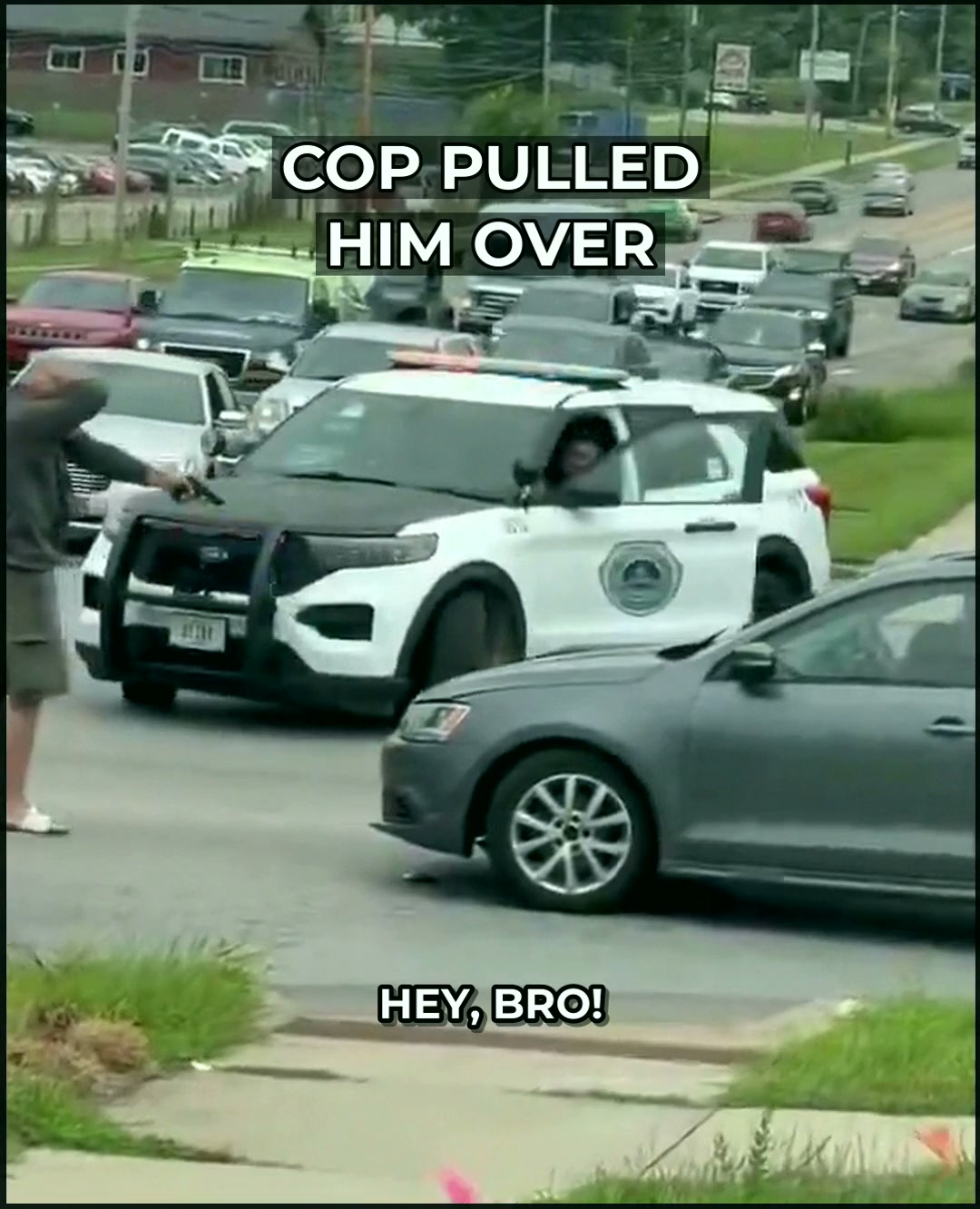
When a routine drive turns into a hostage situation, the system must act fast. Here is what accountability looks like after the handcuffs click.
The shouting started before the tires stopped rolling. One driver, allegedly furious about a lane change or a perceived slight, escalated a traffic dispute into a life-or-death standoff. Witnesses watched in disbelief as a handgun emerged from a car window, pointed directly at another human being on a public road.
This is not a movie script. This is the reality of road rage in modern America, where common sense evaporates and a firearm becomes the final argument. Police arrived on the scene, barking commands, and managed to prevent a tragedy. But the real story starts when the cameras turn off—the long, grinding process of legal consequences and community accountability.
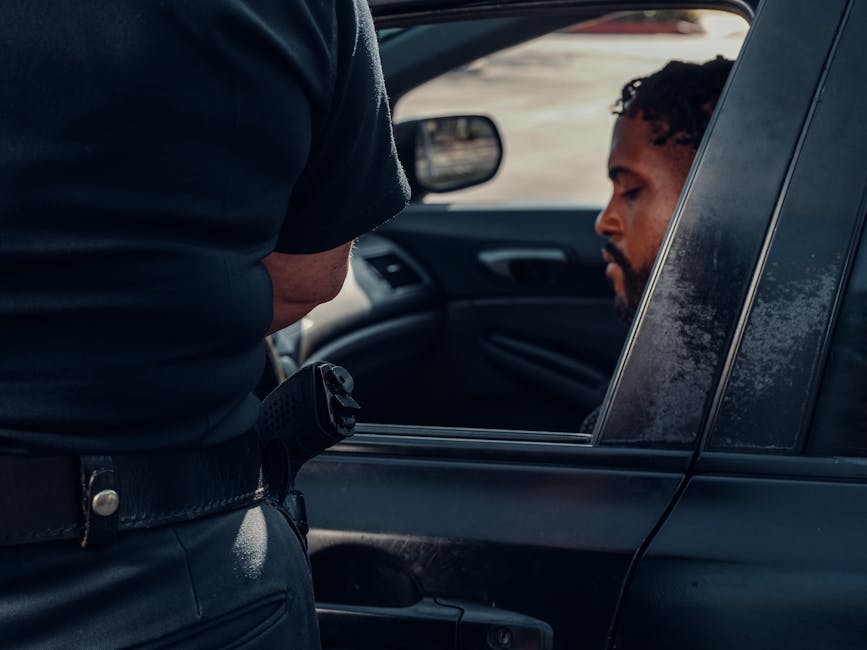
The Split Second That Changes Everything
“Hey, bro! Get back in the car! Put the gun down!” Those frantic commands, captured in the chaos, represent the razor-thin margin between a road rage incident and a homicide case. Law enforcement officers train for these moments, but the victim—the driver staring down the barrel—gets no training at all.
The alleged perpetrator was detained. But detention is not accountability. It is the beginning of a process that tests whether the justice system actually works for ordinary citizens caught in extraordinary circumstances. The question every community asks: Will there be consequences, or will this become another forgotten case file?
“Nobody expects to be held at gunpoint during their morning commute. When it happens, the trauma doesn’t end when the police arrive—it’s just the beginning of a nightmare of legal procedures and emotional recovery.”
What Justice Actually Looks Like for Victims
For the person on the receiving end of that weapon, survival is only the first victory. The aftermath involves police reports, possible court appearances, and the invasive reality of reliving the trauma in depositions. Victim advocacy groups emphasize that emotional support is just as critical as legal follow-through.
Community resources—from local conflict resolution centers to victim compensation funds—exist specifically for situations like this. But accessing them requires knowing they exist. The unedited truth is that most victims of road rage incidents never seek help. They try to move on, bury the fear, and drive a different route to work.

Accountability Must Be Demanded, Not Assumed
Police body cameras and witness cell phone footage now mean that these incidents rarely happen in the dark. The evidence is preserved. But preserving evidence and prosecuting the perpetrator are two very different outcomes. Community accountability relies on citizens staying engaged, showing up to hearings, and demanding that district attorneys treat gunpoint threats with the gravity they deserve.
The driver who allegedly brandished that weapon is now facing the machinery of the justice system. But the real test is whether that machinery grinds slowly enough to exhaust the victim, or whether it delivers a swift, unmistakable message: This behavior will not be tolerated.

“Every time a road rage incident ends without serious consequences, it sends a signal that pulling a gun on another driver is just a risk worth taking. That is a signal no community can afford to send.”
The next time you merge into traffic, remember: The person in the car next to you might be carrying a weapon and a short fuse. The incident that unfolded on that road was stopped by quick police action. But the real work—the work of ensuring that consequences follow, that victims get support, and that communities refuse to normalize this violence—is just getting started.