The Raid That Exposed the Real Power Dynamic: Who Pays When Workers Disappear?
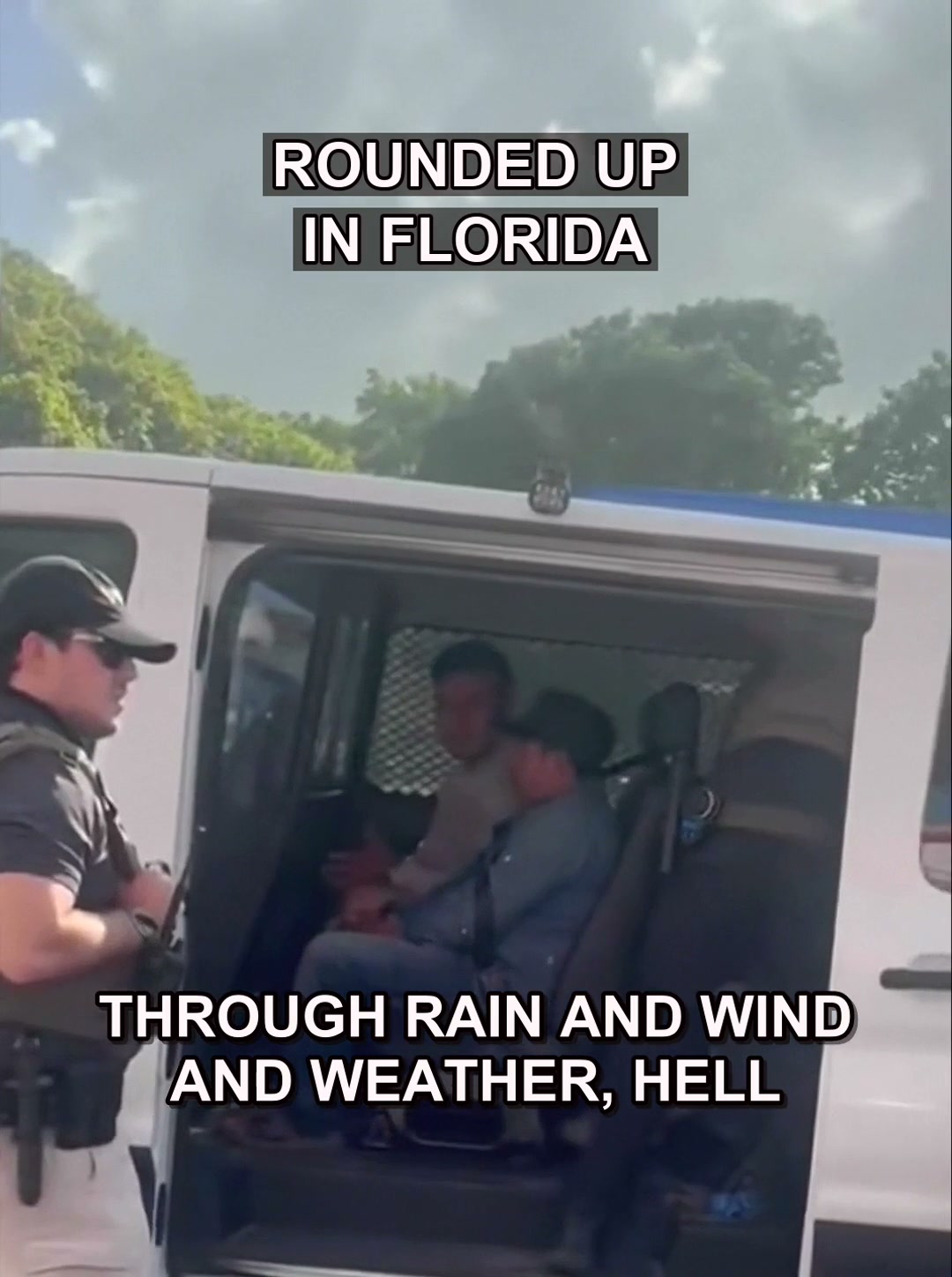
An ICE roundup in Immokalee, Florida, wasn’t just a viral spectacle. It was a brutal reminder of the unspoken contract between employers and the people who harvest their crops.
The video is hard to watch. A white van, packed with human beings, rolls down a dirt road in Immokalee, Florida. The audio is a grotesque parody of a cowboy song. “Keep them illegals rollin’,” the voiceover cackles. It’s meant to be a victory lap. A celebration of power.
But for the workers inside that van, this isn’t a song. It’s the end of a paycheck. The end of a roof over their heads. And it’s the beginning of a terrifying legal limbo that thousands of agricultural laborers face without any warning.

Immokalee isn’t just a town. It’s the epicenter of America’s winter produce industry. Tomatoes, peppers, oranges—the entire supply chain depends on a workforce that lives in the shadows. When ICE agents roll in, they don’t just arrest people. They cripple entire families.
The real question no one is asking: Where were the employers?
The Employer’s Convenient Blindness
Every farm owner in Immokalee knows exactly who is picking their crops. They know the names. They know the faces. They know the conditions. But the moment the blue jackets show up, those same bosses vanish.
“The audacity of these employers is staggering. They demand backbreaking labor for pennies, then pretend they have no idea where their workers came from.”
This is the dirty secret of the agricultural industry. Employer accountability is virtually nonexistent. Federal law requires companies to verify worker eligibility, but the penalties for turning a blind eye are laughable compared to the profits.
Meanwhile, the worker faces the consequences. Unpaid wages vanish. Family members left behind have no legal recourse. The employer simply hires a new crew the next morning.
The Legal Trap: Your Rights Don’t Exist if You Can’t Speak
Here is the terrifying reality for any worker in this situation. You have the right to remain silent. You have the right to an attorney. But if you cannot afford one, and you cannot make a phone call from a holding cell? Those rights are theoretical.
Workers in Immokalee are often paid in cash. They have no pay stubs. No contracts. No proof of the hours they worked. When they are deported, their back wages simply disappear into the pockets of the employer.

This isn’t about immigration policy. This is about basic labor rights. When an employer benefits from your labor, they owe you a wage. When they fail to protect your legal status, they are complicit in your exploitation. The law says so. But the law is rarely enforced.
The Unspoken Contract: What Workers Actually Have
So what happens to the van full of people? They get processed. They get detained. They get deported. The employer gets a tax write-off for the lost labor. The consumer gets cheaper tomatoes.
But the worker? They lose everything. Their home. Their savings. Their ability to send money back to their family. And the employer—the one who hired them, who knew their status, who profited from their sweat—faces zero consequences.
This is the silent crisis of wage theft and employer exploitation. It’s happening in every agricultural community in America. And the only people who pay the price are the ones who can’t fight back.
The dashcam footage from that raid is now viral. People are angry. They are outraged at the tone, the song, the spectacle. But the real outrage should be directed at the system that allows employers to offload all the risk onto the worker.

Keep them rolling? The question is: who is driving the wagon, and who is getting trampled beneath the wheels?