The True Cost of Surrendering Your Dignity at Work: When Bosses Demand You Swallow Your Pride
Inside the unhinged reality of workplace loyalty tests—and what happens when professionals trade their integrity for a paycheck.
Imagine spending years building a reputation. Law school. Courtroom victories. A judgeship. Real, earned respect. Then imagine walking into a job where your new boss demands you abandon every ounce of that credibility—just to keep your seat at the table.
That’s not hypothetical. That’s the reality playing out in Washington right now, and it’s a masterclass in what happens when employer accountability goes out the window.

The Ultimate Workplace Loyalty Test
This isn’t about politics. This is about what happens when a boss—any boss—demands absolute fealty. When your continued employment depends on how well you pretend to admire someone who is, by all objective measures, deeply insecure.
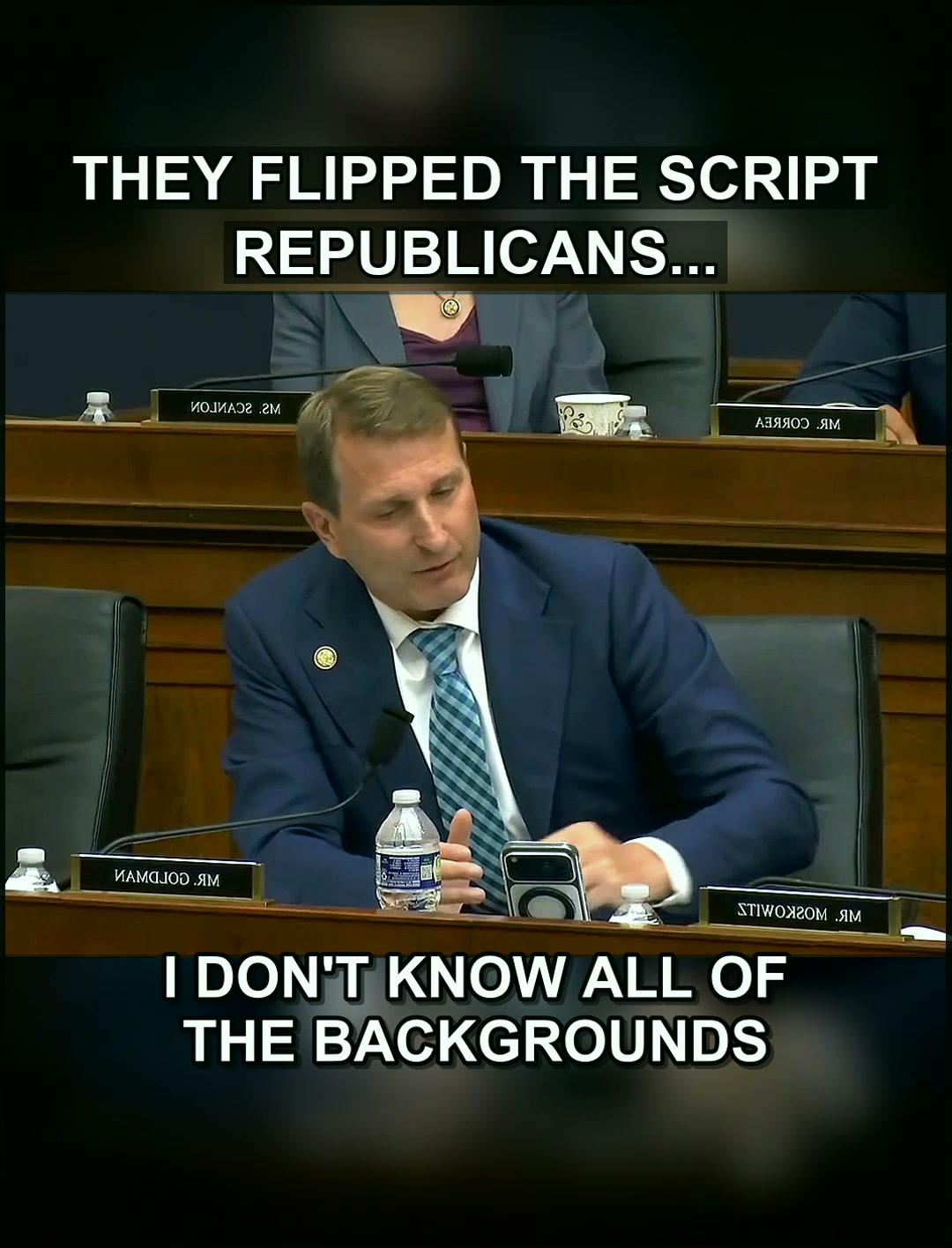
One member of Congress put it bluntly: Republicans “swallow all of their pride to satiate the insecure, narcissist in the White House who needs to have everything named after him.”
That’s not a partisan jab. That’s a workplace confession.
“They run for office, and they win a seat into Congress. And then what? They trade their entire professional identity for survival.”
These are people who were federal prosecutors. Successful lawyers. Judges. People who spent decades earning credentials that most Americans can only dream of. And now they’re reduced to nodding along while their boss slaps his name on everything in sight.
The HR Nightmare That Never Gets Reported
Here’s the part that should terrify every worker in America: this dynamic isn’t unique to politics.
Every day, in offices across the country, employees are asked to compromise their ethics for job security. To stay quiet about a boss’s toxic behavior. To write that glowing performance review for a manager who is, frankly, unhinged. To pretend that everything is fine when it clearly isn’t.
The difference? Most workers don’t have the visibility of a congressional seat. They don’t get to vent on national platforms. They just quietly lose their self-respect, one meeting at a time.

When Employer Accountability Vanishes
The real scandal here isn’t the name-calling. It’s the complete absence of consequences.
In any functional workplace, there are guardrails. HR departments. Labor protections. The ability to say, “This is inappropriate, and I won’t participate.”
But when the boss is also the person who controls your entire career trajectory—when they can end your employment with a single tweet or a closed-door conversation—those guardrails disappear.
What you’re left with is a room full of highly qualified professionals pretending that a deeply entitled, narcissistic leader is reasonable. That’s not politics. That’s a textbook case of workplace coercion.
The workers in this scenario know exactly what they’re doing. They’re making a calculated choice: their professional integrity in exchange for continued employment. And they’re making it every single day.
“The real Trump derangement is from Republicans, who swallow all of their pride to satiate the insecure, narcissist in the White House.”
What Labor Rights Actually Look Like Here
This is where the conversation about wrongful termination and workplace rights gets real.
If you’re an employee being asked to compromise your ethics—to publicly praise a boss you privately despise, to participate in deceptive practices, to surrender your professional judgment—you need to understand something critical:
Your labor protections exist precisely for situations like this. The law recognizes that employers can create hostile environments through psychological coercion. The law recognizes that demanding fealty as a condition of employment crosses a line.
The problem? Most workers don’t know their rights. And most employers count on that ignorance.

Here’s the brutal truth that no one wants to say out loud: the people in Congress who are currently swallowing their pride? They have more power than almost any other worker in America. They have platforms. They have legal teams. They have the ability to speak out without being fired.
And they’re still choosing silence.
So what chance does the average office worker have?
That’s the question that keeps employment lawyers busy. That’s the question that HR departments hope you never ask. And that’s the question that every single American should be asking themselves the next time their boss asks them to do something that makes their skin crawl.
The workers in Washington made their choice. They traded their resumes for job security. They traded their integrity for a seat at the table. They traded their self-respect for a paycheck.
And the system is designed to let them do it.