The One-Punch Verdict: When Public Harassment Meets Instant Justice
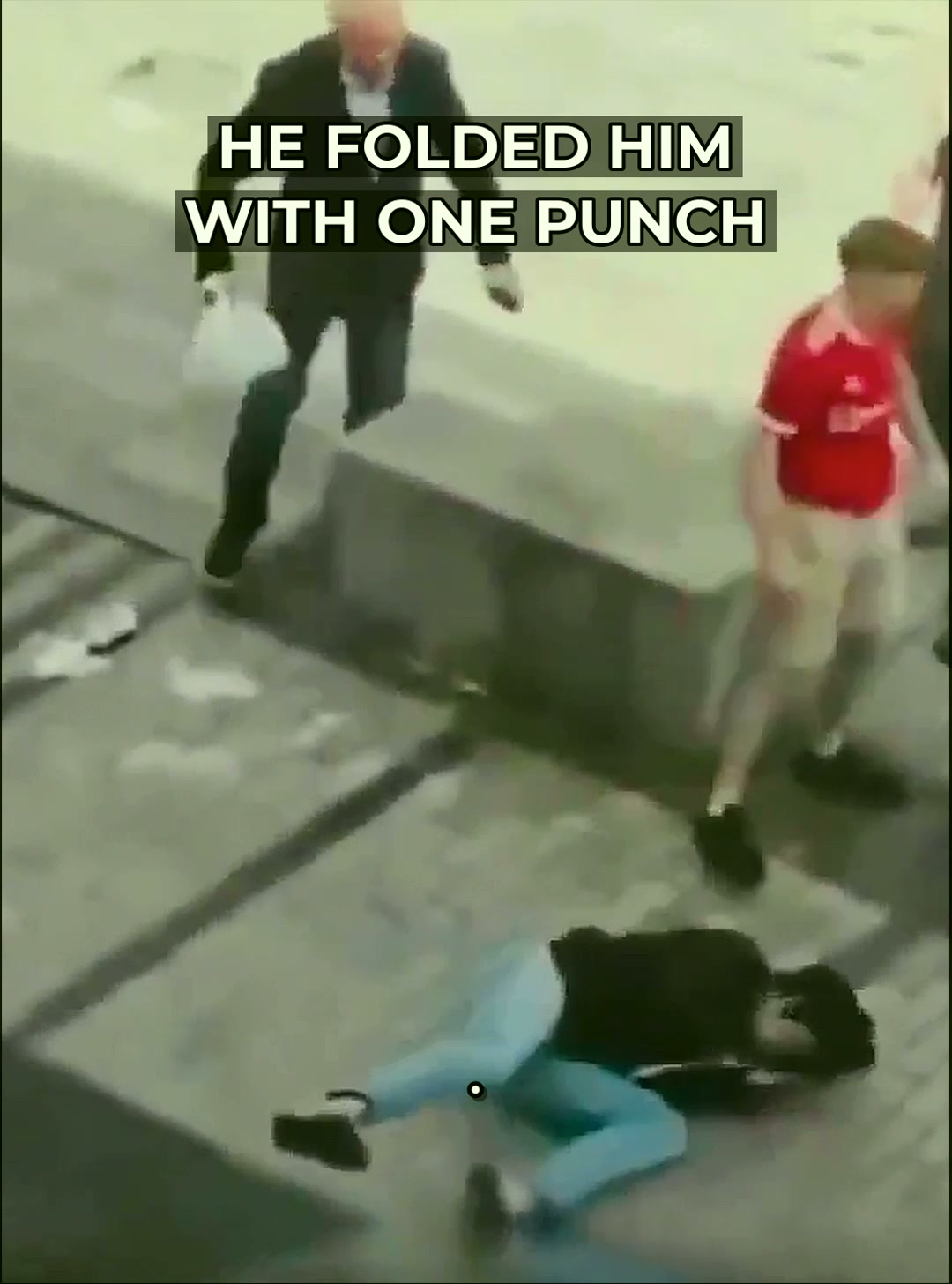
A viral confrontation in Cork ignites a fierce debate over self-defense, citizen intervention, and the terrifying gap between what the law says and what actually happens on the street.
The video hits your screen like a punch to the gut. A teenager, described by witnesses as spitting on strangers and harassing pedestrians in Cork city center, is strutting through the crowd like he owns the pavement. Then, in a split second that the internet will never forget, an Irish boy folds him in half with a single, devastating strike.

Let’s be brutally honest here. You’ve seen the footage. You’ve probably shared it. But what you haven’t done is sit down and think about what this actually means for your rights when a threat walks toward you.
Because here’s the cold, hard reality that nobody wants to admit: that single punch could land the defender in prison just as easily as it could land him a medal.
The Legal Minefield You Didn’t Sign Up For
Under Irish law, self-defense is permitted under Section 18 of the Non-Fatal Offences Against the Person Act, 1997. But here’s the kicker: the force used must be reasonable in the circumstances as the defender believed them to be.
Spitting? That’s an assault. Harassment? That’s a public order offense. But does either justify a punch that sends a person to the pavement?
“The law doesn’t require you to wait until you’re on the ground bleeding. But it also doesn’t give you a license to throw the first punch the moment someone says something rude.”
That’s the razor’s edge. And it’s a nightmare for any ordinary worker just trying to get home without being spat on.
The Bystander Trap: Your Job, Your Freedom, Your Future
Here’s where this gets personal for your wallet. Imagine you’re that Irish boy. Maybe you work a regular job. Maybe you have a family. You see someone terrorizing people, and you step in.
Congratulations. You’re now the defendant.
The actual harasser? He’s the victim in the eyes of the court. You could face criminal charges for assault causing harm. Your employer could terminate you for “bringing the company into disrepute” through a viral video. Your reputation? Destroyed.

And what about the people who were being harassed? They got their moment of relief. But the person who provided it? He’s now navigating a legal system that treats violence as violence, regardless of the context.
The Unspoken Contract Between You and the State
Here’s what the viral comment sections won’t tell you. The state has a monopoly on legitimate force. When you bypass that — even for a justified reason — you’re challenging that monopoly.
The harassing teenager was wrong. He was a menace. But the system designed to handle him failed. The guards weren’t there. The public order laws weren’t enforced in real-time.
So a citizen did what citizens do when the system fails: he acted.
And now the question hanging over every worker in Ireland is simple: When the system fails you, how much are you willing to sacrifice to protect yourself — or a stranger?
“I’d do it again,” the boy reportedly told friends. But the courts don’t care about what you’d do again. They care about what you did.

The video will keep circulating. The memes will keep coming. The boy will be celebrated in pubs and cursed in courtrooms.
But for every worker watching from their desk, from their factory floor, from their delivery van — the real story isn’t the punch.
It’s the silence that follows. The silence from employers who won’t defend you. The silence from a legal system that punishes the protector. The silence from a society that loves the video but won’t pay your legal fees.
Your rights at work, on the street, in the crossfire of someone else’s breakdown — they’re thinner than you think. And that single punch? It didn’t just knock out a bully.
It knocked the mask off a system that leaves workers to fend for themselves.