Blocked In, Threatened, and Left With No Escape: The True Cost of Justice When ICE Agents Turn on a U.S. Citizen
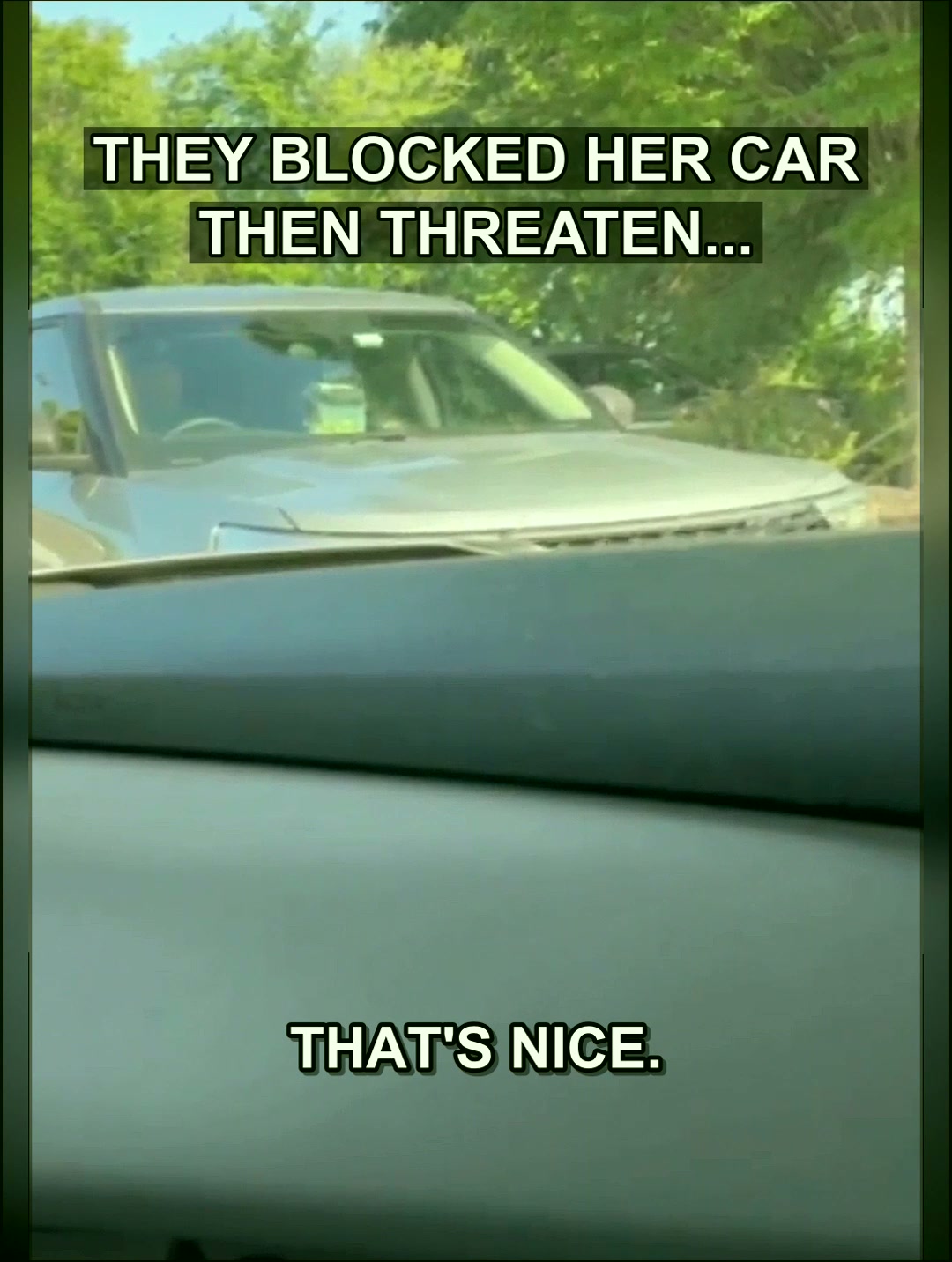
A routine parking lot encounter spirals into a nightmare of power, intimidation, and a terrifying question: What happens when the people paid to protect us become the threat?
It started with a honk. A friendly wave. A handful of grapes being eaten by men in a Ford Explorer. Then the doors opened. And the nightmare began.
A U.S. citizen—sitting legally in a public parking lot—found herself boxed in by federal agents. Not for a crime. Not for a warrant. For the crime of existing in the wrong place at the wrong time.
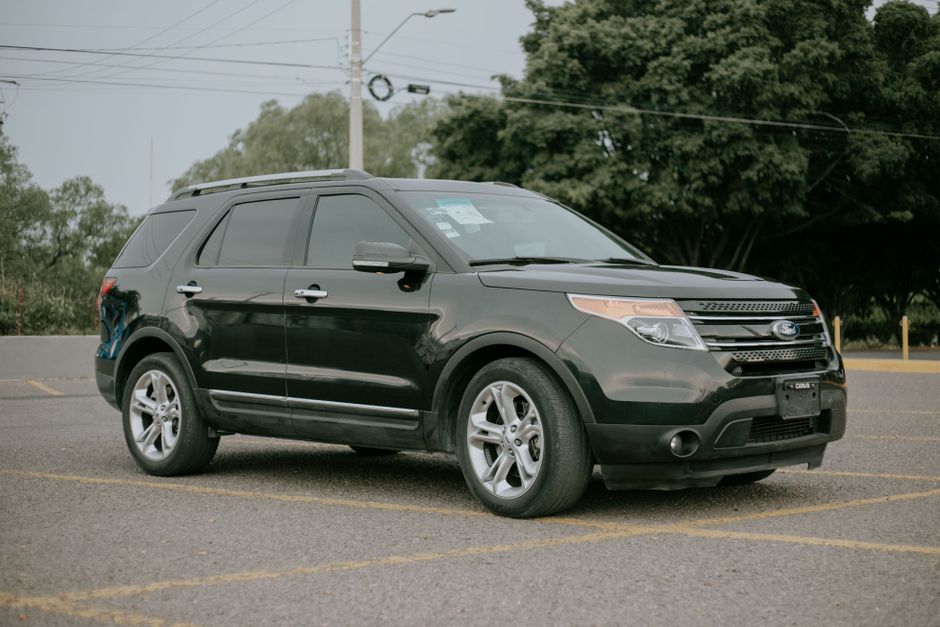
The video is chilling. Passengers whisper, “Document anything.” The Ford Explorer is inches from the bumper. Honking. Waving. Mocking. Then, the agents step out. They walk toward the car. And the accusation comes: Move, or you’re under arrest.
But here’s the catch—they blocked her in.
“We can’t move. Document anything. They are getting out of the car and coming up to us.”
The Power Play: When Authority Becomes a Weapon
This isn’t a case of mistaken identity. This is a case of raw, unchecked power. The agents didn’t just block a car—they trapped a human being. They created a situation where compliance was physically impossible, then threatened punishment for that impossibility.
It’s a classic bully move. And it works because most people freeze. They don’t know their rights. They don’t know who to call. They just know a man with a badge and a gun is telling them to move—while preventing them from doing so.

What Justice Looks Like After the Cameras Stop Rolling
So what happens next? The video goes viral. Outrage spikes. Then what? For the woman in that parking lot, the immediate aftermath is a blur of fear, adrenaline, and unanswered questions. But the system does have levers—if you know where to pull them.
Community accountability starts with documentation. That phone in her hand? It’s a weapon. The footage is now evidence. It can be submitted to the DHS Office of Inspector General, the local U.S. Attorney’s office, and even civil rights attorneys who handle unlawful detention cases.
Victim support organizations like the ACLU’s National Security Project and local immigrant rights coalitions often provide free legal consultations for exactly these scenarios. They don’t just fight for immigrants—they fight for every American whose rights are trampled by federal overreach.

The Threat to You: This Could Be Your Driveway Tomorrow
Here’s the part that should make your blood run cold. This didn’t happen at a border checkpoint. It didn’t happen at a federal building. It happened in a public parking lot. Anywhere. Anytime. To anyone who looks like they might be “wrong” in the eyes of an agent having a bad day.
The legal process for holding agents accountable is slow. Painfully slow. But it exists. The key is follow-through. Filing a formal complaint. Contacting your congressional representative. Demanding body camera footage through FOIA requests. These are the tools of accountability.
But the real question—the one that keeps victims up at night—is whether the system will ever actually punish the people who did this. Or if they’ll just get a slap on the wrist and a transfer to another parking lot.
“They are eating grapes and honking their horn and waving at us. That’s nice. We can’t move.”
The grapes. The honking. The wave. It’s the casual cruelty that stings the most. These agents weren’t just doing a job—they were enjoying it. And that’s the scariest part of all.
The woman in that car did nothing wrong. She was a U.S. citizen in a public space. And yet, she was seconds away from handcuffs. The only difference between her and you? Someone hit record.