American Food Influencers Under Fire for Rushing to Try New Cinnamon Roll Cake with 72 Ingredients; Health Advocates React
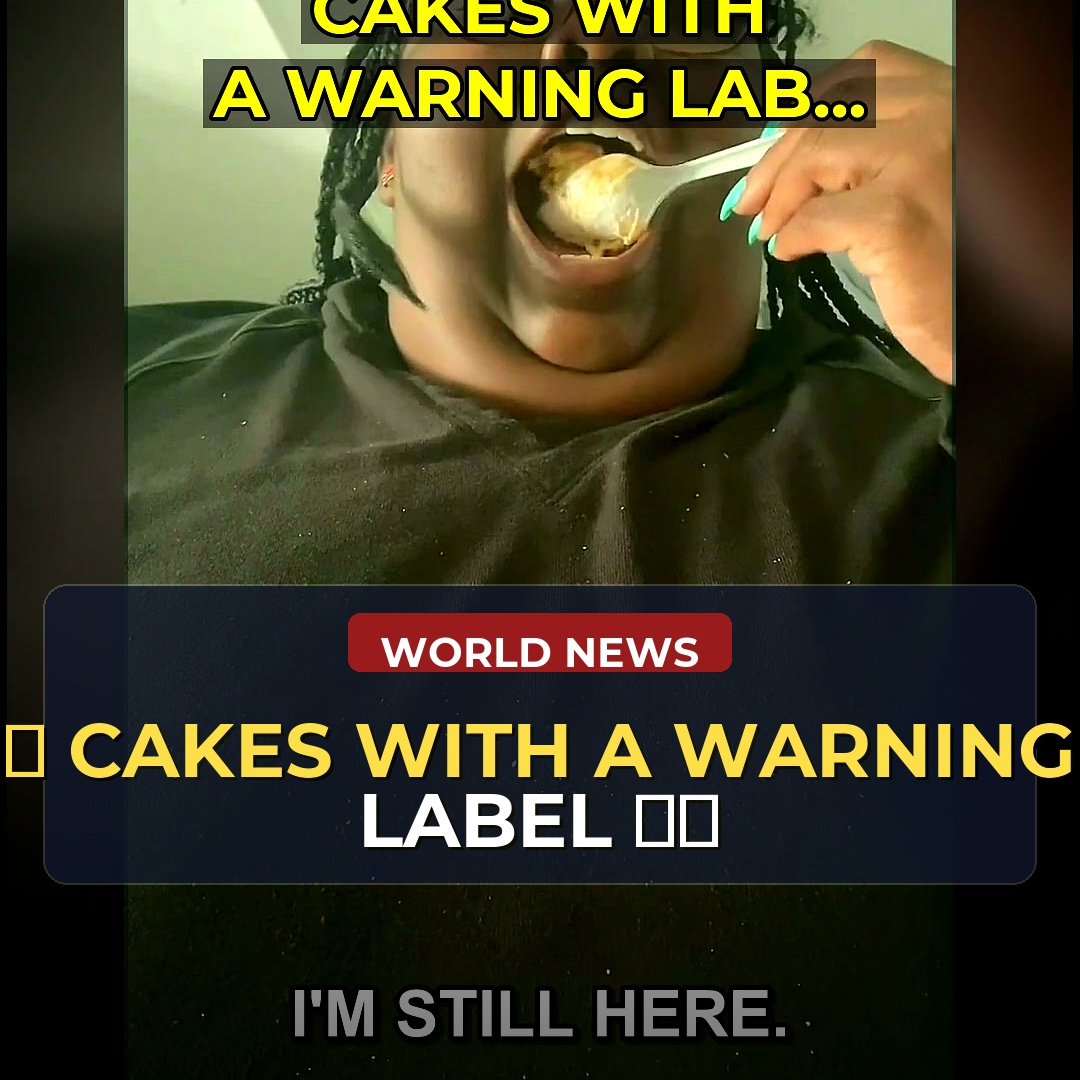
The Dark Side of Social Media Fame: How Influencers are Endangering American Health
The Launch of Nothing Bundt Cakes’ New Cinnamon Roll Cake Exposes a Deeper Issue with Food Influencers and Their Impact on Public Health

The recent launch of Nothing Bundt Cakes’ new Cinnamon Roll Cake has sent American food influencers into a frenzy, with many rushing to purchase and consume the cake for the sake of social media likes. However, this trend has raised concerns about the health implications of such behavior, particularly given that the cake in question contains over 70 ingredients. As the nation grapples with rising obesity and health issues, it is imperative to examine the role of social media influencers in promoting unhealthy eating habits and the potential consequences for American health.
The phenomenon of food influencers has become a staple of social media platforms, with many individuals building their brands around reviewing and consuming high-calorie, high-sugar foods. While this may seem like harmless entertainment, it has significant implications for public health, particularly among young and impressionable audiences. By promoting the consumption of unhealthy foods, influencers may be contributing to the normalization of unhealthy eating habits and the erosion of nutritious diets.
The issue is further complicated by the fact that many food influencers have significant followings and are often seen as role models by their fans. As such, their actions and behaviors can have a profound impact on the eating habits and lifestyle choices of their audiences. It is essential, therefore, to consider the responsibility that comes with influencing others and the potential consequences of promoting unhealthy behaviors.
One of the primary concerns surrounding food influencers is the lack of transparency and accountability in their content. Many influencers fail to disclose the potential health risks associated with the foods they promote, and some even go so far as to claim that their diet is healthy and balanced, despite consuming large amounts of unhealthy foods. This lack of transparency can be misleading and damaging to audiences, particularly those who are already struggling with health issues.
Furthermore, the emphasis on likes and followers can create a culture of competition among influencers, where they feel pressured to consume and promote increasingly unhealthy foods in order to stay relevant. This can lead to a vicious cycle of consumption and promotion, where the health implications of their actions are secondary to their social media fame. It is crucial, therefore, to consider the broader cultural and societal factors that contribute to this phenomenon and to develop strategies for promoting healthier eating habits and lifestyles.
The launch of Nothing Bundt Cakes’ new Cinnamon Roll Cake is just one example of the many unhealthy food trends that are being promoted on social media. However, it highlights the need for a more nuanced and informed discussion about the impact of social media on public health. By examining the ways in which influencers promote and consume unhealthy foods, we can begin to develop a better understanding of the complex factors that contribute to this phenomenon and the potential consequences for American health.

So, what can be done to address this issue? Firstly, it is essential to promote greater transparency and accountability among food influencers, including the disclosure of potential health risks associated with the foods they promote. Additionally, social media platforms can play a critical role in promoting healthier eating habits and lifestyles by restricting the promotion of unhealthy foods and encouraging influencers to promote balanced and nutritious diets.
Moreover, it is crucial to consider the broader cultural and societal factors that contribute to this phenomenon, including the emphasis on likes and followers and the pressure to conform to certain beauty and lifestyle standards. By developing a more nuanced understanding of these factors, we can begin to develop strategies for promoting healthier eating habits and lifestyles, both on and off social media.
Ultimately, the launch of Nothing Bundt Cakes’ new Cinnamon Roll Cake is a symptom of a larger issue, one that requires a comprehensive and multifaceted approach to address. By examining the complex factors that contribute to this phenomenon and promoting greater transparency, accountability, and healthier eating habits, we can begin to develop a more informed and nuanced discussion about the impact of social media on public health.
The health implications of this trend are far-reaching and significant, with potential consequences for American health that cannot be ignored. As such, it is imperative that we take a proactive and informed approach to addressing this issue, one that prioritizes the health and well-being of individuals and communities over the interests of social media influencers and corporations.
By doing so, we can begin to create a healthier and more sustainable food culture, one that promotes balanced and nutritious eating habits and prioritizes the health and well-being of individuals and communities. This will require a fundamental shift in the way we think about food and social media, but it is a necessary step towards creating a healthier and more informed society.

The influence of social media on our eating habits and lifestyles is undeniable, and it is essential that we acknowledge and address this issue in a comprehensive and nuanced manner. By promoting greater transparency, accountability, and healthier eating habits, we can begin to develop a more informed and sustainable approach to food and social media, one that prioritizes the health and well-being of individuals and communities.
As we move forward, it is crucial that we consider the potential consequences of our actions and the impact that social media can have on our health and well-being. By taking a proactive and informed approach to addressing this issue, we can begin to create a healthier and more sustainable food culture, one that promotes balanced and nutritious eating habits and prioritizes the health and well-being of individuals and communities.
In conclusion, the launch of Nothing Bundt Cakes’ new Cinnamon Roll Cake has highlighted a deeper issue with food influencers and their impact on public health. By examining the complex factors that contribute to this phenomenon and promoting greater transparency, accountability, and healthier eating habits, we can begin to develop a more informed and nuanced discussion about the impact of social media on public health. It is essential that we prioritize the health and well-being of individuals and communities and take a proactive and informed approach to addressing this issue, one that promotes a healthier and more sustainable food culture for all.