EPA Proposal to Allow Data Centers to Release Toxic Water into Ohio Lakes and Streams Sparks Community outcry Over Five-Year Permits and Lack of Transparency
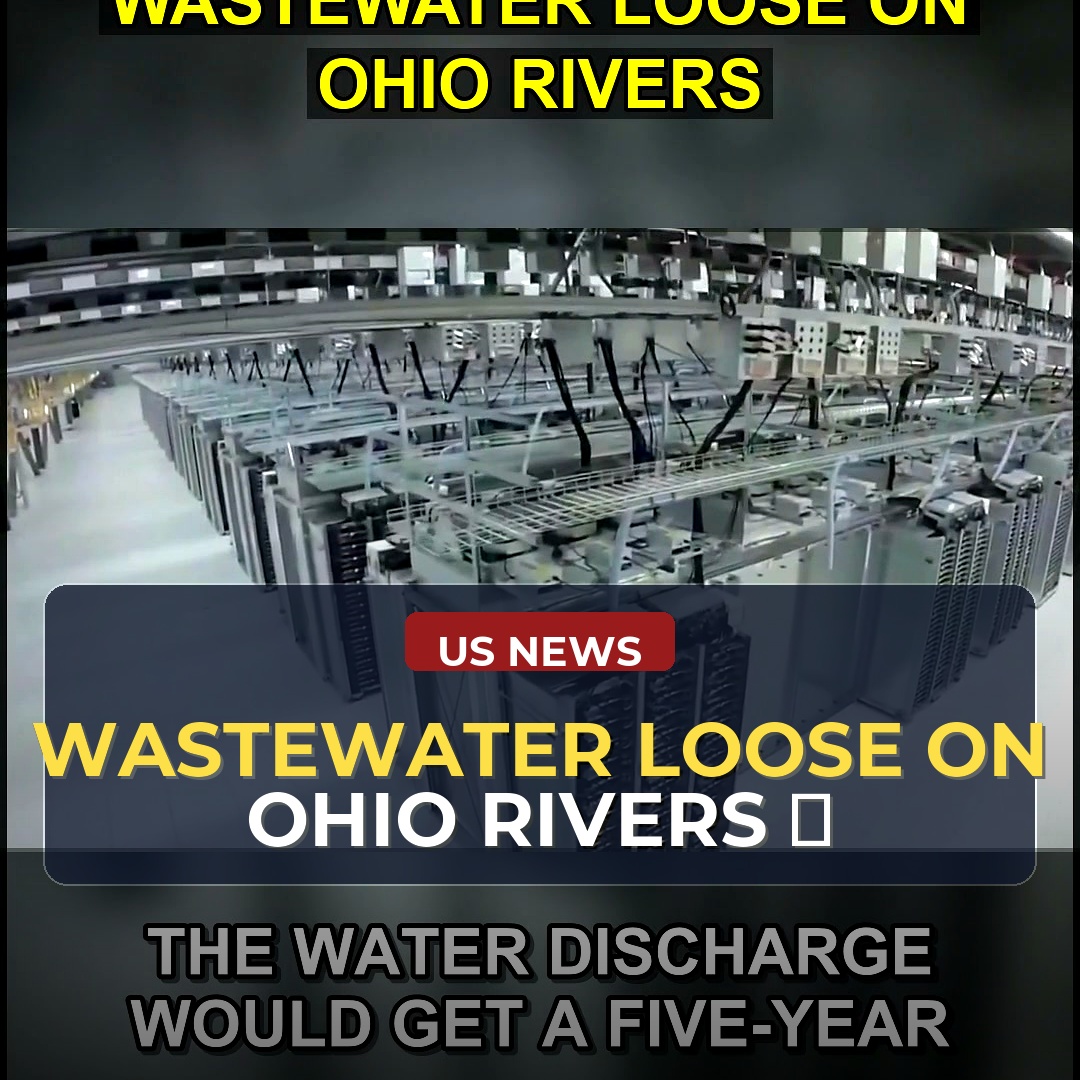
EPA Proposal Sparks Concern: Data Centers in Ohio May Soon Discharge Wastewater into Lakes and Streams
The Ohio EPA’s Draft Permits Have Raised Questions About the Environmental Impact and the Future of Water Quality in the State
The Environmental Protection Agency (EPA) has sparked controversy with a proposal that could significantly impact the water quality in Ohio’s lakes and streams. According to recent reports, the Ohio EPA is drafting permits to allow data centers in the state to discharge their wastewater directly into nearby bodies of water. This move has raised concerns among environmentalists and local residents, who fear that the proposal could lead to long-term damage to the state’s ecosystems.
The proposal, which is currently in the drafting stage, would grant five-year permits to data centers that meet certain criteria, allowing them to release wastewater used to cool their tech components into lakes and streams. The Ohio EPA has argued that the proposal is necessary to streamline the approval process for data center discharges, but critics argue that the move could have devastating consequences for the state’s water quality.
The controversy surrounding the proposal has highlighted the growing tension between the need for technological advancement and the need to protect the environment. As data centers continue to expand and grow, they require increasingly large amounts of water to cool their systems. However, the discharge of this wastewater into lakes and streams could lead to a range of environmental problems, including the disruption of delicate ecosystems and the contamination of drinking water sources.
Supporters of the proposal argue that the permits would be granted only to data centers that meet strict environmental standards, and that the discharge of wastewater would be closely monitored to ensure that it does not harm the environment. However, critics argue that the proposal is a step in the wrong direction, and that the EPA should be working to reduce the amount of wastewater generated by data centers, rather than simply allowing them to discharge it into lakes and streams.
The proposal has also raised questions about the role of the EPA in regulating the environmental impact of data centers. While the agency has a responsibility to protect the environment, it must also balance this responsibility with the need to support economic growth and development. The proposal has sparked a heated debate about the best way to achieve this balance, with some arguing that the EPA should be taking a more aggressive approach to regulating the environmental impact of data centers.
As the proposal moves forward, it is likely to face significant opposition from environmental groups and local residents. The Ohio EPA has announced plans to hold public hearings on the proposal, where citizens will have the opportunity to voice their concerns and provide feedback. The agency has also established a website where citizens can submit comments and learn more about the proposal.
The controversy surrounding the proposal has also highlighted the need for greater transparency and accountability in the regulatory process. The Ohio EPA has been criticized for not doing enough to inform the public about the proposal and its potential impacts, and for not providing sufficient opportunities for public comment and feedback. As the proposal moves forward, it is likely that these issues will continue to be a source of contention.
One of the main concerns about the proposal is the potential impact on the environment. The discharge of wastewater into lakes and streams could lead to a range of problems, including the disruption of delicate ecosystems and the contamination of drinking water sources. The proposal has also raised questions about the long-term sustainability of the practice, and whether it is a viable solution for the growing demands of data centers.
Despite these concerns, the proposal has also been seen as a necessary step forward for the development of data centers in Ohio. The state has been actively courting data centers in recent years, and the proposal is seen as a way to support the growth of this industry. However, this growth must be balanced with the need to protect the environment, and the Ohio EPA must ensure that the proposal does not compromise the state’s natural resources.
The proposal has also sparked a wider debate about the role of data centers in modern society. As the demand for digital services continues to grow, data centers are playing an increasingly important role in supporting this growth. However, the environmental impact of these facilities must be carefully considered, and the Ohio EPA must ensure that the proposal does not compromise the state’s environmental values.

As the debate over the proposal continues, it is clear that the Ohio EPA has a difficult task ahead of it. The agency must balance the need to support the growth of data centers with the need to protect the environment, and it must do so in a way that is transparent and accountable to the public. The proposal has sparked a heated debate, and it is likely that this debate will continue for some time to come.
In conclusion, the proposal to allow data centers to discharge wastewater into lakes and streams is a complex and contentious issue. While the proposal has been seen as a necessary step forward for the development of data centers in Ohio, it has also raised significant concerns about the potential impact on the environment. As the Ohio EPA moves forward with the proposal, it is essential that the agency prioritizes transparency, accountability, and environmental protection, and that it works to ensure that the proposal does not compromise the state’s natural resources.
The future of the proposal is uncertain, and it is likely that the debate will continue for some time to come. However, one thing is clear: the decision will have a significant impact on the state’s environment, and it is essential that the Ohio EPA gets it right. The agency must carefully consider the potential consequences of the proposal, and it must work to ensure that the decision is in the best interests of the state and its citizens.