Bushwick Church Demolition Decision Raises Questions About Preservation and Community Input: What Was Said Behind the Scenes?
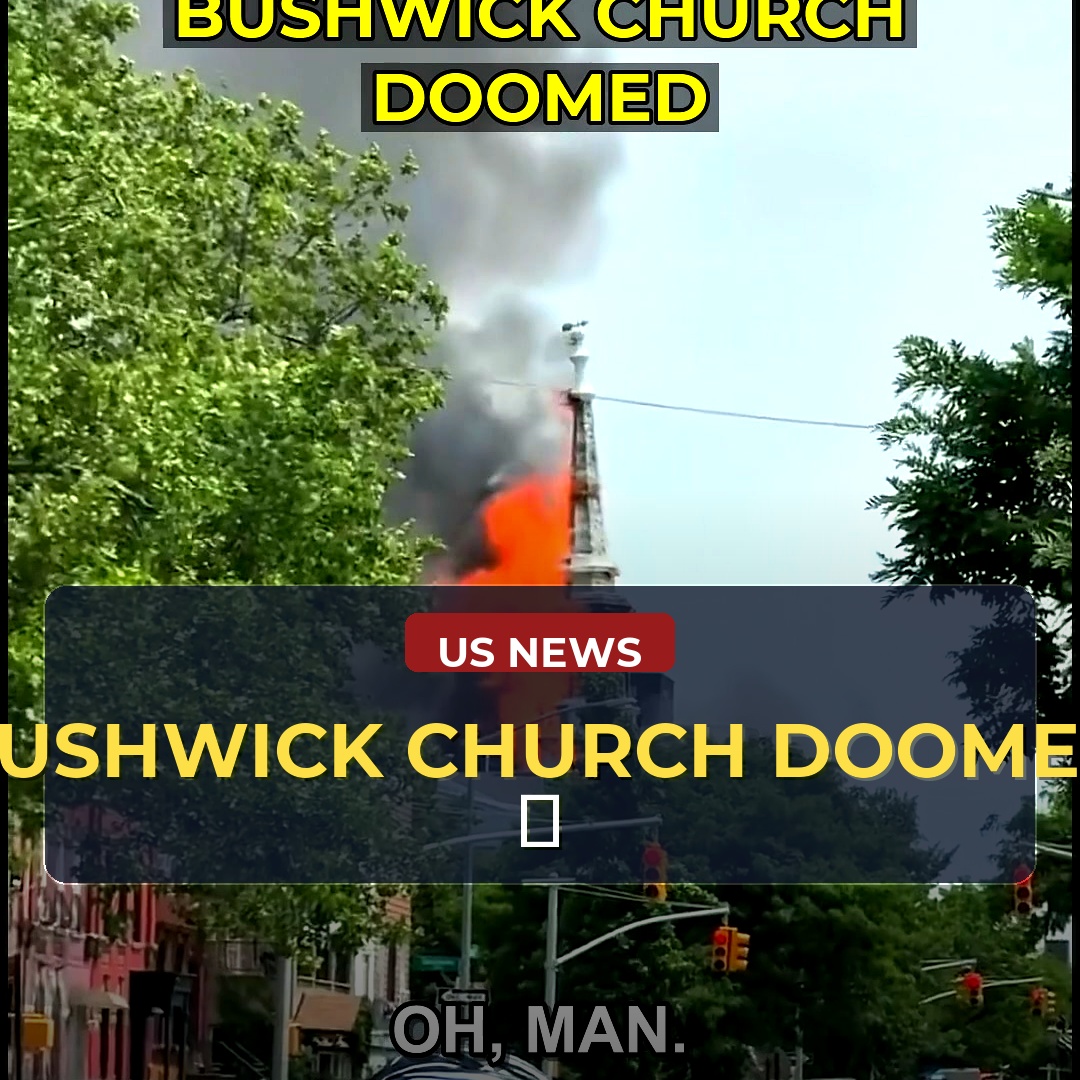
Historic Church in Bushwick Faces Demolition After Arson Incident
A 174-Year-Old Landmark’s Fate Sealed by NYC Department of Buildings, Sparking Community Outrage

The recent decision by the New York City Department of Buildings to reject a plan aimed at saving a historic church in Bushwick has sent shockwaves throughout the community. The church, which has stood for 174 years, was severely damaged in an arson incident, leaving its future hanging in the balance. With demolition slated to begin in August, the community is rallying together in a last-ditch effort to save the beloved landmark. At the helm of the NYC Department of Buildings is Ahmed Tigani, who has been at the center of the controversy surrounding the church’s fate.
The arson incident that ravaged the church has been met with widespread condemnation, and the community has been vocal about its desire to see the church restored to its former glory. However, the NYC Department of Buildings has cited safety concerns and the extent of the damage as reasons for rejecting the salvage plan. This decision has been met with disappointment and outrage from local residents, who see the church as an integral part of Bushwick’s history and identity.
The church, with its rich history spanning nearly two centuries, is more than just a building; it’s a symbol of the community’s resilience and heritage. The impending demolition has raised questions about the city’s approach to preserving historic landmarks and the role of the NYC Department of Buildings in ensuring that such sites are protected for future generations. As the community grapples with the loss of a beloved landmark, concerns about the city’s priorities and the value placed on historic preservation have come to the forefront.
Ahmed Tigani, as the leader of the NYC Department of Buildings, has faced scrutiny over the agency’s handling of the situation. The decision to reject the salvage plan has been seen by many as a sign of the city’s lack of commitment to preserving its historic sites. Tigani’s agency has been under pressure to balance the need for safety with the community’s desire to save the church, a challenge that has proven difficult to navigate. As the demolition date approaches, Tigani and the NYC Department of Buildings are under increasing pressure to reconsider their decision and explore alternative solutions that could save the church.
On one hand, the NYC Department of Buildings is tasked with ensuring the safety of the community, and the agency’s concerns about the structural integrity of the church are valid. The arson incident has undoubtedly compromised the building’s stability, posing a risk to anyone in or around the premises. However, on the other hand, the community argues that the church’s historical significance and cultural importance outweigh the costs and challenges associated with restoration. This debate highlights the complex interplay between preservation, safety, and community interests, making the situation a delicate balancing act for city officials.
The controversy surrounding the church’s demolition has sparked a broader discussion about the importance of historic preservation in urban planning. Cities like New York, with their rich histories and diverse architectural landscapes, face unique challenges in balancing development with preservation. The fate of the Bushwick church serves as a poignant reminder of the need for cities to prioritize the protection of their cultural heritage sites, not just for their historical value but also for their role in defining community identity and character.

Historic preservation is not just about saving old buildings; it’s about preserving the stories, memories, and experiences that these structures embody. The Bushwick church, with its 174-year history, holds a special place in the hearts of local residents, who see it as a tangible connection to their past. The loss of such a landmark would not only erase a part of the community’s history but also diminish the area’s character, making it less distinctive and less appealing to both residents and visitors alike.
The public reaction to the NYC Department of Buildings’ decision has been overwhelmingly negative, with many expressing disbelief and sadness over the impending demolition. Community leaders and residents have vowed to continue fighting for the church’s salvation, exploring all available avenues to reverse the decision. This grassroots effort underscores the deep emotional and cultural investment that communities have in their historic sites, highlighting the importance of involving local stakeholders in decision-making processes related to preservation and development.
As the situation unfolds, it remains to be seen whether the community’s efforts will be successful in saving the church. The outcome will not only determine the fate of a historic landmark but also reflect on the city’s commitment to preserving its cultural heritage. The story of the Bushwick church serves as a powerful reminder of the challenges and complexities involved in balancing preservation with development, safety, and community needs, issues that are at the heart of urban planning and policy-making.
The broader implications of this incident extend beyond the local community, speaking to national debates about historic preservation, urban development, and community engagement. As cities across the United States grapple with similar challenges, the fate of the Bushwick church offers a case study in the importance of prioritizing cultural heritage and community interests in urban planning decisions. This not only ensures the preservation of historic sites but also contributes to the vibrancy, diversity, and uniqueness of cityscapes, making them more livable and meaningful for their inhabitants.

Community engagement is crucial in historic preservation, as it ensures that the needs, desires, and histories of local residents are taken into account. The Bushwick church controversy highlights the need for more inclusive and transparent decision-making processes, where community voices are heard and valued. By fostering such an environment, cities can work towards preserving their cultural heritage in a way that is respectful, sustainable, and beneficial to all stakeholders involved.
In conclusion, the story of the Bushwick church and its impending demolition underscores the complex and often contentious nature of historic preservation in urban environments. As the community continues to fight for the church’s salvation, the incident serves as a poignant reminder of the importance of prioritizing cultural heritage, community engagement, and inclusive decision-making in urban planning. The fate of this 174-year-old landmark will not only reflect on the city’s commitment to preservation but also contribute to the ongoing national conversation about what it means to preserve our past while building our future.