Senate on the Brink: Will They Delay Recess to Pass SAVE America Act?
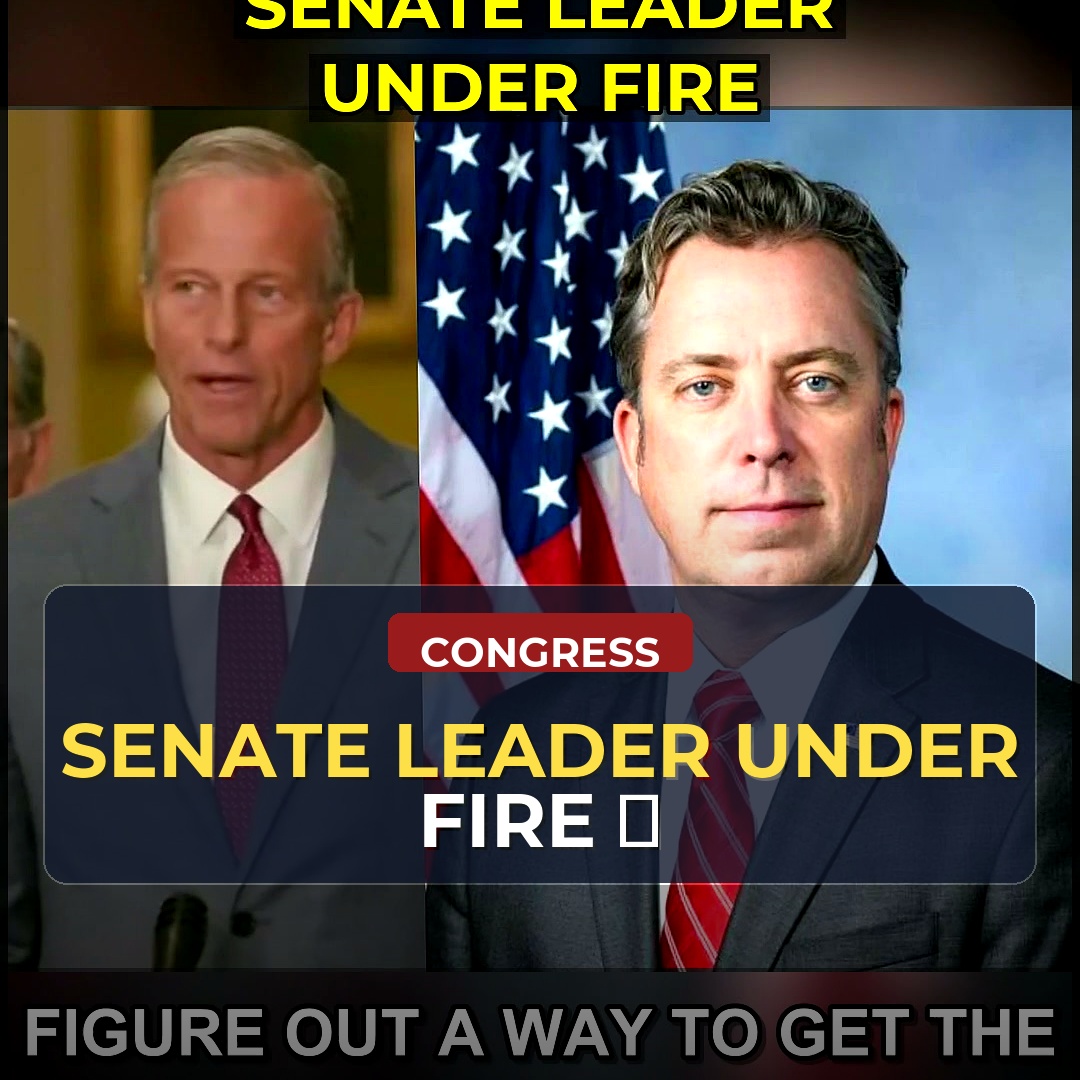
Pressure Mounts on Senate Majority Leader John Thune to Cancel August Recess
Demand Grows to Pass the SAVE America Act and Ensure Election Security

The summer break for the Senate is looming, but a chorus of voices is urging Senate Majority Leader John Thune to reconsider the upcoming August recess. The reason behind this surge in pressure is the imperative to pass the SAVE America Act, a bill aimed at enhancing election security through measures such as photo ID requirements and citizenship verification for voter registration. This push is not just about the bill itself but about the broader implications for the integrity of the electoral process in the United States.
At the heart of the controversy is the challenge of garnering enough votes to pass the SAVE America Act. According to recent proceedings on the Senate floor, even a confined version of the bill, focusing solely on photo ID and citizenship requirements, would necessitate 60 votes to overcome the filibuster threshold. This has led to a realization that the current legislative path is fraught with obstacles, prompting some lawmakers to call for drastic measures, including the postponement of the August recess, to allow for more time to negotiate and potentially amend the bill to secure the necessary votes.
The issue has become a rallying point for several Republican lawmakers, including Rep. Andy Ogles of Tennessee, who has joined forces with Senators Mike Lee and Rick Scott in demanding that no recess be taken until the elections are deemed secure. This stance reflects a growing concern among some in the Republican party that the integrity of upcoming elections is at risk without the passage of the SAVE America Act. Their argument centers on the belief that without stricter voter identification laws, the door is left open for potential fraud, which could undermine trust in the electoral system.

On the other side of the debate are those who argue that the SAVE America Act, or any bill that seeks to implement stricter voter ID laws, could disenfranchise certain groups of voters. Critics suggest that such laws disproportionately affect minority and low-income voters, who may not have the necessary identification or face barriers in obtaining it. This perspective posits that the true aim of such legislation is not to protect the integrity of elections but to suppress voter turnout among specific demographics.
The controversy surrounding the SAVE America Act and the call to cancel the August recess highlight a deeper divide within the country regarding voting rights and election security. Proponents of the bill see it as a necessary measure to safeguard the electoral process, while opponents view it as an attempt to restrict access to voting. This divide reflects fundamental disagreements over how to balance the need for election security with the need to ensure that all eligible citizens can exercise their right to vote.

The public reaction to the debate over the SAVE America Act has been intense, with both sides mobilizing their bases to apply pressure on lawmakers. Social media platforms, town hall meetings, and rallies have become venues for passionate arguments over the future of voting rights in America. The stakes are perceived as high, with many believing that the outcome of this legislative battle could have long-term implications for the health of American democracy.
From an institutional perspective, the push to pass the SAVE America Act and the associated pressure on Senate Majority Leader John Thune to cancel the August recess reflect a broader struggle for power and influence within the legislative branch. The ability of a minority of lawmakers to hold up legislation, potentially forcing the hand of the majority leader, underscores the complex dynamics at play in the Senate. This situation also highlights the critical role that parliamentary procedure and the rules of the Senate play in shaping the legislative agenda and determining the fate of controversial bills.
In terms of political consequences, the outcome of this battle could have significant implications for the upcoming elections. If the SAVE America Act passes, it could embolden supporters who see it as a victory for election security, potentially affecting voter turnout and perception of the electoral process. Conversely, if the bill fails to pass, it could galvanize opponents who view the attempt as an assault on voting rights, also influencing voter behavior and political engagement.
As the debate over the SAVE America Act continues, American citizens are watching closely, aware that the outcome could directly impact their ability to participate in the democratic process. The legislation and the associated maneuvering in the Senate serve as a reminder of the ongoing challenges in balancing the competing interests of election security, voter access, and partisan politics. Ultimately, the fate of the SAVE America Act will depend on the ability of lawmakers to navigate these complex issues and find a path forward that addresses the concerns of all stakeholders.
In conclusion, the pressure on Senate Majority Leader John Thune to cancel the August recess and the heated debate over the SAVE America Act reflect deeper currents in American politics. The issue at hand is not just about the passage of a single bill but about the values of democracy, the integrity of elections, and the rights of citizens. As the nation moves forward, it will be crucial to find a balance between ensuring the security of the electoral process and safeguarding the fundamental right to vote, a challenge that will require careful consideration, compromise, and a commitment to the principles of democracy.