Audi Rental Car Exposed: The Dystopian “Eye of Sauron” Surveillance System That’s Raising Eyebrows and Red Flags
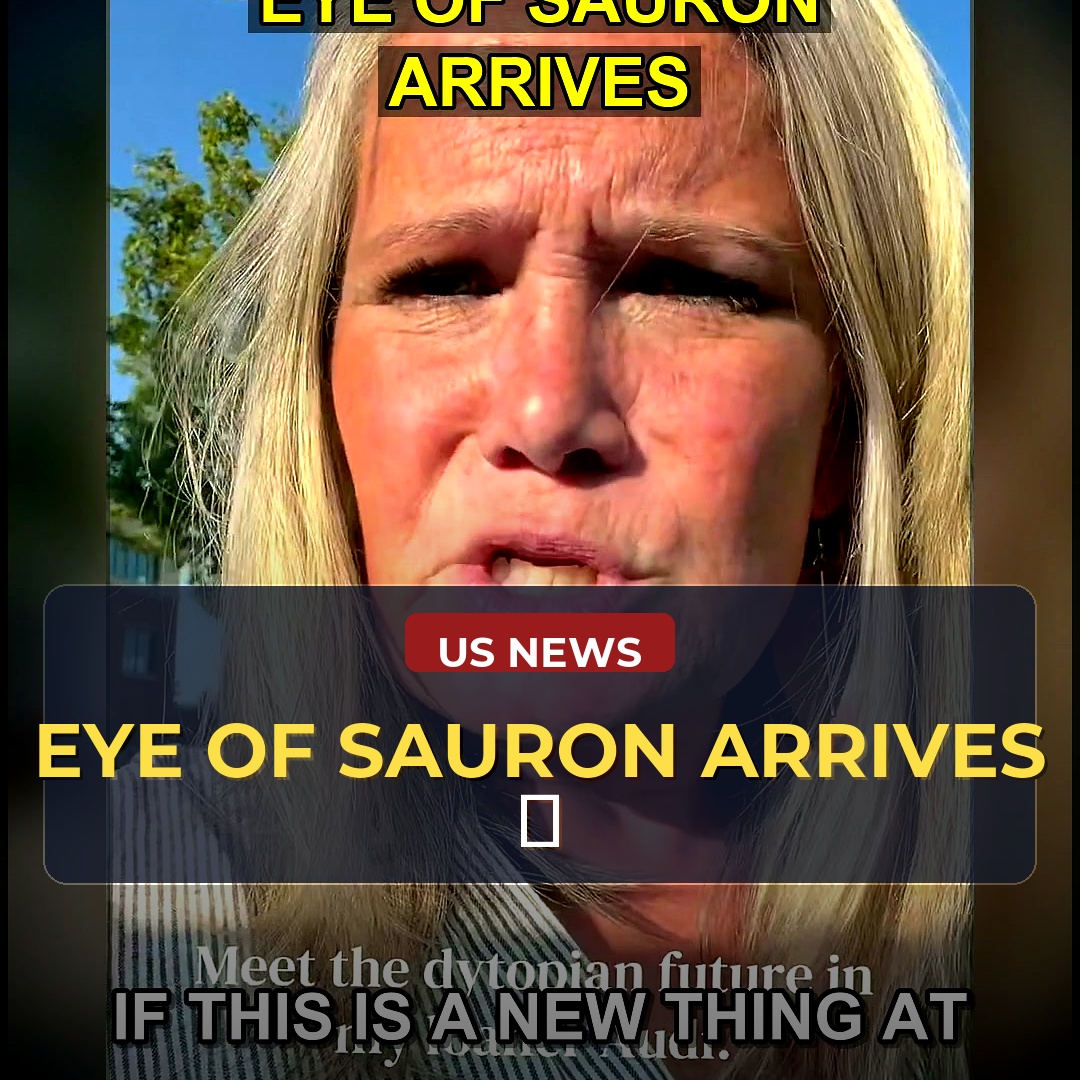
Audi’s Rental Car Raises Concerns Over Surveillance with “Eye of Sauron” Camera
A Woman’s Discovery of a Camera in Her Rental Car Sparks Debate on Privacy and Data Collection

A recent experience with an Audi rental car has left one woman feeling like she’s living in a dystopian novel. After her personal vehicle went in for repairs, she was provided with a rental car by Audi, but what she found inside has sparked a heated debate about privacy and surveillance. The car came equipped with a camera system that she likened to the “Eye of Sauron,” a reference to the all-seeing eye in J.R.R. Tolkien’s Lord of the Rings. This camera, which is reportedly intended to record the driver’s behavior, has raised significant concerns about data collection and the potential misuse of such information.
The woman’s discovery of the camera, which she shared on social media, has gone viral, with many people expressing their outrage and unease over the idea of being constantly monitored while driving. The incident has also sparked a discussion about the increasing use of surveillance technology in various aspects of our lives, from smart home devices to public spaces. As technology continues to advance, the line between convenience and intrusion is becoming increasingly blurred, leaving many to wonder where we draw the line when it comes to our personal privacy.
According to the woman, the camera in her rental car is a standard feature, at least in some Audi models. While the exact purpose of the camera is not clear, it is reportedly part of a larger system designed to monitor and record the driver’s behavior. This could include everything from their driving habits to their interactions with the car’s infotainment system. The question on many people’s minds is what happens to this data and who has access to it. Is it being used solely for research and development purposes, or is it being shared with third-party companies or even law enforcement agencies?

The use of cameras and other surveillance technology in cars is not new, but it is becoming more widespread. Many modern vehicles come equipped with advanced driver-assistance systems (ADAS) that rely on cameras and sensors to provide features such as lane departure warning and adaptive cruise control. However, these systems are typically designed to improve safety and driver convenience, rather than monitor the driver’s behavior. The presence of a camera that is explicitly designed to record the driver raises significant concerns about privacy and the potential for abuse.
On one hand, proponents of such technology argue that it can help to improve road safety by providing valuable insights into driver behavior. By analyzing data from these cameras, researchers and developers can identify trends and patterns that can inform the development of new safety features and technologies. Additionally, the use of cameras in rental cars could potentially help to reduce the risk of accidents and other incidents by providing a deterrent to reckless or negligent driving.
On the other hand, critics argue that the use of such technology is a clear invasion of privacy and a potential threat to individual freedom. The idea of being constantly monitored and recorded while driving is unsettling, to say the least, and raises significant concerns about the potential for misuse of this data. If this information were to fall into the wrong hands, it could be used for nefarious purposes such as stalking, harassment, or even identity theft.
The incident has also sparked a debate about the need for greater transparency and regulation when it comes to the use of surveillance technology in cars. As this technology becomes more widespread, it is essential that we have clear guidelines and safeguards in place to protect the rights and interests of consumers. This could include requirements for clear disclosure about the presence and purpose of such technology, as well as strict limits on how the data can be used and shared.
The woman’s experience with the Audi rental car has also raised questions about the role of technology in our lives and the potential consequences of our increasing reliance on it. As we become more and more dependent on devices and systems that are designed to make our lives easier and more convenient, we must also consider the potential risks and downsides. This includes not only the potential for surveillance and data collection but also the potential for technological failures and other unintended consequences.
In conclusion, the discovery of the “Eye of Sauron” camera in an Audi rental car has sparked a significant debate about privacy, surveillance, and the use of technology in our lives. As we move forward, it is essential that we consider the potential consequences of our actions and the impact that technology can have on our individual freedoms and rights. By being aware of these issues and taking steps to protect ourselves, we can help to ensure that technology serves us, rather than the other way around.
The incident also highlights the need for greater awareness and education about the use of surveillance technology in cars and other devices. By understanding the potential risks and benefits of this technology, we can make informed decisions about how we use it and how we allow it to be used. This includes being mindful of the data that we share and the devices that we use, as well as being vigilant about the potential for misuse and abuse.
Ultimately, the story of the “Eye of Sauron” camera in an Audi rental car serves as a reminder of the importance of being aware of our surroundings and the technology that we use. By staying informed and taking steps to protect ourselves, we can help to ensure that technology serves us, rather than controlling us. As we move forward in an increasingly complex and interconnected world, it is essential that we prioritize our individual freedoms and rights, and that we take steps to protect ourselves from the potential risks and downsides of technology.

The company’s response to the incident will be closely watched, as it will provide insight into their commitment to transparency and customer privacy. As the use of surveillance technology in cars becomes more widespread, it is essential that companies like Audi prioritize the rights and interests of their customers, and that they take steps to ensure that this technology is used responsibly and with the utmost respect for individual privacy.
In the end, the discovery of the “Eye of Sauron” camera in an Audi rental car serves as a wake-up call, reminding us of the importance of being aware of our surroundings and the technology that we use. By staying informed and taking steps to protect ourselves, we can help to ensure that technology serves us, rather than the other way around. As we move forward in an increasingly complex and interconnected world, it is essential that we prioritize our individual freedoms and rights, and that we take steps to protect ourselves from the potential risks and downsides of technology.