President Trump Criticizes Supreme Court Ruling on Birthright Citizenship; Urges Congress to Intervene in Controversial Decision

President Trump Criticizes Supreme Court Over Birthright Citizenship
A recent statement from President Trump has sparked controversy and debate over the issue of birthright citizenship, with many questioning the implications of such a policy change

In a recent statement, President Trump expressed his dissatisfaction with the Supreme Court’s stance on birthright citizenship, congratulating China on their “massive Birthright Citizenship WIN” and calling on Congress to “FIX IT NOW”. This statement has sparked a heated debate over the issue, with many Americans questioning the potential consequences of altering the current policy. The concept of birthright citizenship, which grants automatic American citizenship to anyone born within the United States, has been a cornerstone of American law since the passage of the 14th Amendment in 1868.
The history behind birthright citizenship is complex and deeply rooted in the country’s past. The 14th Amendment was enacted in the aftermath of the Civil War, with the primary intention of granting citizenship to the children of former slaves. The amendment’s authors sought to ensure that these children, who were born in the United States but whose parents were not citizens, would have the same rights and protections as any other American citizen. Over time, the concept of birthright citizenship has evolved, with the Supreme Court consistently upholding the principle that anyone born within the United States is entitled to citizenship, regardless of their parents’ immigration status.
President Trump’s statement has been met with widespread criticism, with many arguing that altering the policy of birthright citizenship would be a drastic and potentially unconstitutional move. Critics argue that such a change would not only undermine the principles of equality and justice enshrined in the 14th Amendment but also have far-reaching consequences for the lives of countless Americans. On the other hand, some supporters of the President’s stance argue that the current policy is being exploited by individuals who are not truly committed to becoming part of American society, and that reform is necessary to ensure the integrity of the immigration system.
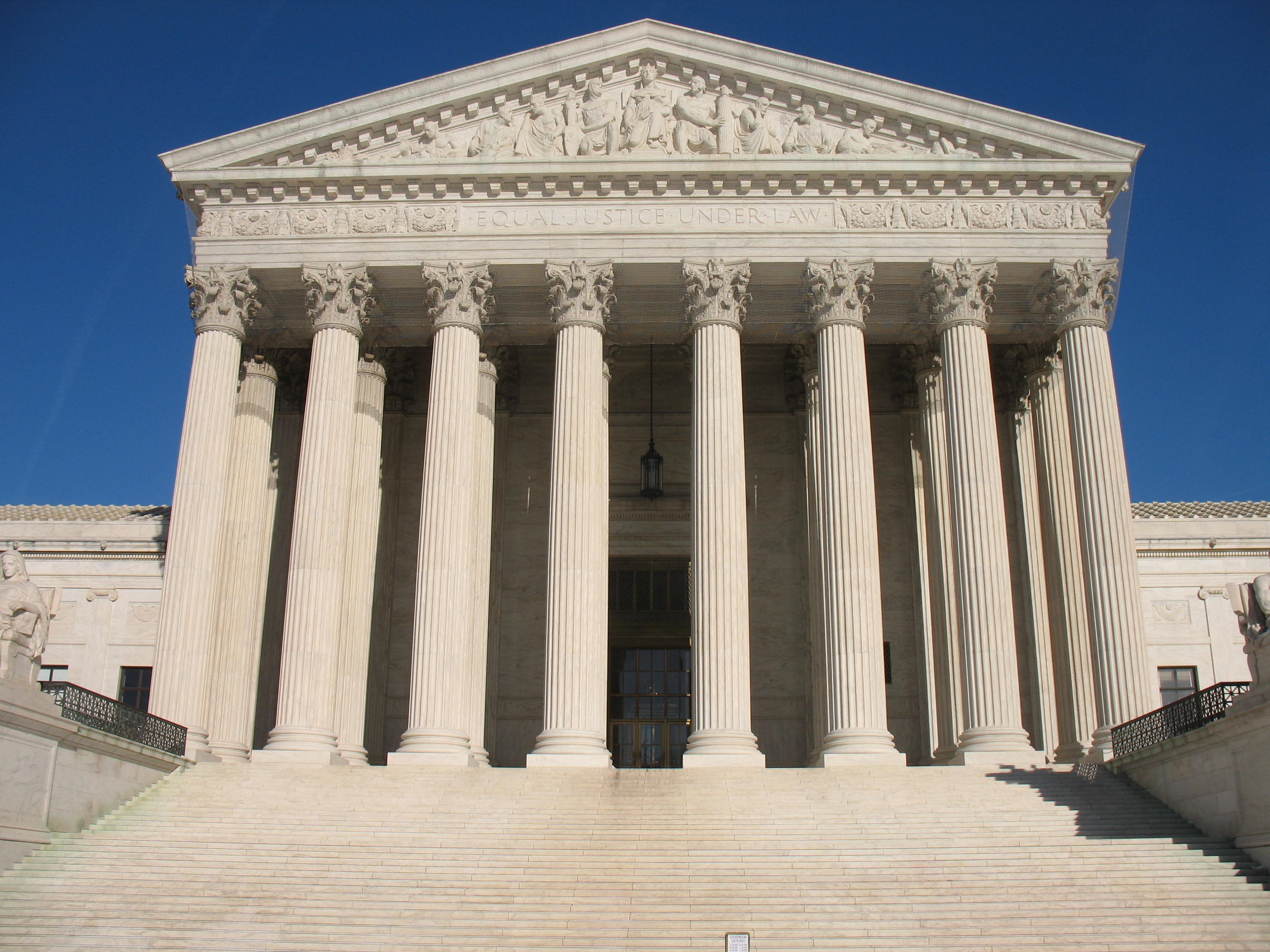
At the heart of the debate is the question of what it means to be an American citizen. Is it simply a matter of being born within the country’s borders, or does it require something more? Proponents of birthright citizenship argue that the policy is essential to ensuring that all individuals born in the United States have equal access to opportunities and protections, regardless of their background or circumstances. Opponents, on the other hand, contend that the policy is being abused and that reforms are necessary to prevent the exploitation of the system. As the debate continues to unfold, it is clear that the issue of birthright citizenship will remain a contentious and deeply divisive one, with far-reaching implications for the future of American society.
The reaction from the public has been intense, with many taking to social media to express their opinions on the matter. Some have praised President Trump for his willingness to tackle a difficult and contentious issue, while others have sharply criticized him for his perceived disregard for the principles of equality and justice. As the debate rages on, it is clear that the issue of birthright citizenship will remain a central theme in American politics, with many Americans eagerly awaiting the outcome of the ongoing discussion.
From a historical perspective, the concept of birthright citizenship is closely tied to the idea of American exceptionalism. The United States has long been seen as a beacon of hope and opportunity for individuals from around the world, and the principle of birthright citizenship has been a key component of this narrative. However, in recent years, there has been a growing trend towards more restrictive immigration policies, with some arguing that the current system is unsustainable and in need of reform. As the debate over birthright citizenship continues, it is clear that the future of American immigration policy will be shaped by a complex interplay of historical, cultural, and economic factors.

One of the primary concerns surrounding the issue of birthright citizenship is the potential impact on the lives of countless Americans. If the policy were to be altered, it could have far-reaching consequences for individuals who have been born in the United States but whose parents are not citizens. This could include not only the children of undocumented immigrants but also the children of individuals who are in the United States on temporary visas or other forms of temporary status. The potential consequences of such a change are profound, and it is clear that any reform effort would need to be carefully considered and implemented in a way that minimizes harm to affected individuals.
In conclusion, the debate over birthright citizenship is a complex and multifaceted one, with far-reaching implications for the future of American society. As the discussion continues to unfold, it is clear that the issue will remain a contentious and deeply divisive one, with many Americans eagerly awaiting the outcome of the ongoing debate. Ultimately, the question of what it means to be an American citizen will be shaped by a complex interplay of historical, cultural, and economic factors, and it is essential that any reform effort be guided by a deep understanding of these complexities and a commitment to upholding the principles of equality and justice that have always defined the United States.
As the nation moves forward, it is essential that policymakers and the public engage in a thoughtful and nuanced discussion about the issue of birthright citizenship. This will require a careful consideration of the historical, cultural, and economic factors that have shaped the concept of American citizenship, as well as a deep understanding of the potential consequences of any reform effort. By engaging in this discussion and working towards a solution that balances the competing interests and values at stake, Americans can ensure that the principles of equality and justice that have always defined the United States are upheld, and that the country remains a beacon of hope and opportunity for generations to come.

The role of Congress in shaping the future of birthright citizenship will be crucial, as lawmakers consider potential reforms to the current policy. Any effort to alter the policy will require a careful balancing of competing interests and values, and it is essential that lawmakers engage in a thoughtful and nuanced discussion about the issue. This will involve considering not only the potential consequences of any reform effort but also the historical and cultural context in which the concept of birthright citizenship has evolved. By working together and engaging in a constructive dialogue, lawmakers can help to ensure that any reforms to the policy are guided by a deep understanding of the complexities at stake and a commitment to upholding the principles of equality and justice.
As the debate over birthright citizenship continues to unfold, it is clear that the issue will remain a central theme in American politics for the foreseeable future. The potential consequences of any reform effort are profound, and it is essential that policymakers and the public engage in a thoughtful and nuanced discussion about the issue. By doing so, Americans can help to ensure that the principles of equality and justice that have always defined the United States are upheld, and that the country remains a beacon of hope and opportunity for generations to come.
In the end, the question of what it means to be an American citizen is a complex and multifaceted one, and the debate over birthright citizenship is just one aspect of a broader discussion about the future of American society. As the nation moves forward, it is essential that policymakers and the public engage in a thoughtful and nuanced discussion about the issue, and work towards a solution that balances the competing interests and values at stake. By doing so, Americans can help to ensure that the principles of equality and justice that have always defined the United States are upheld, and that the country remains a beacon of hope and opportunity for generations to come.

The Statue of Liberty, one of the most iconic symbols of American freedom and opportunity, has long been a beacon of hope for individuals from around the world. The concept of birthright citizenship is closely tied to this narrative, and the debate over the issue is a reminder that the principles of equality and justice that have always defined the United States are still evolving. As the nation moves forward, it is essential that policymakers and the public engage in a thoughtful and nuanced discussion about the issue, and work towards a solution that balances the competing interests and values at stake.