Multi-Million Dollar Reflecting Pool Project Under Scrutiny After Evidence of Rapid Deterioration Raises Questions About Oversight and Taxpayer Funds
The $18 Million Question: Why Is the Lincoln Memorial Reflecting Pool Falling Apart?
Recent footage revealing structural degradation at one of America’s most iconic landmarks has sparked a heated debate over federal spending and the quality of government infrastructure projects.

For millions of Americans, the Lincoln Memorial Reflecting Pool is more than just a body of water; it is a sacred space of reflection and a testament to the nation’s history. However, recent video footage circulating online has turned this symbol of national pride into a flashpoint for frustration, showing large, blue-tinted chunks of material peeling away from the pool’s floor.
The visual evidence of decay, captured by observers on the ground, has ignited immediate questions about the efficacy of multi-million dollar renovation projects. At the heart of the outcry is a staggering price tag: an $18 million investment aimed at modernizing and restoring the pool’s infrastructure, which many now view as a significant failure of fiscal oversight.
The controversy centers on the perception that taxpayer dollars are being directed toward projects that lack longevity. When the public sees infrastructure—especially national monuments—deteriorating shortly after high-cost upgrades, it erodes trust in the institutions responsible for maintaining the country’s most visible assets.

The degradation is reportedly linked to maintenance procedures involving peroxide, a chemical agent used to treat water quality. Critics argue that the use of such chemicals may have accelerated the breakdown of the pool’s lining, suggesting a disconnect between short-term cleaning goals and long-term structural preservation.
Proponents of the renovation projects, including various federal agencies, have historically pointed to the immense difficulty of maintaining a structure that is exposed to the elements and millions of visitors annually. They argue that the pool’s aging foundation requires constant, aggressive intervention, and that comparisons of costs must account for the specialized engineering required to manage a historic landmark of this scale.
Conversely, taxpayers and government accountability advocates are raising red flags about the lack of transparency in contracting. For the average American, the sight of peeling paint and crumbling infrastructure serves as a visceral reminder of concerns regarding how federal departments manage large-scale budgets and whether project oversight is stringent enough to prevent waste.
This incident is not occurring in a vacuum; it fits into a broader national conversation about the state of American infrastructure. Whether it is bridges, roads, or national monuments, citizens are increasingly sensitive to the gap between the promises of “investment” and the visible reality of a project’s performance over time.
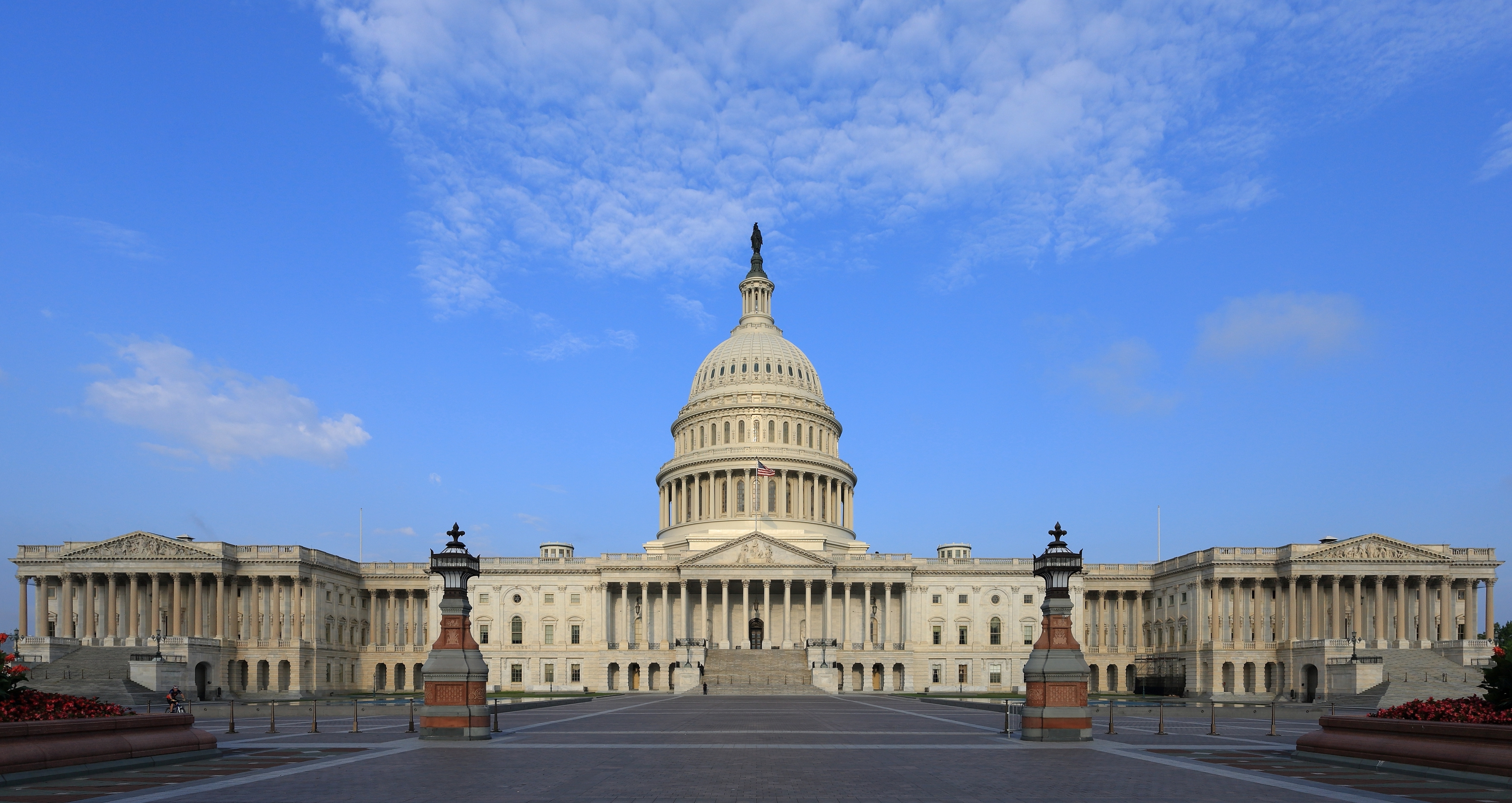
The political dimension of this debate is unavoidable. When a project becomes synonymous with failure, it inevitably invites scrutiny of the administration and the specific agencies that greenlit the funding. For many, the “well-spent” label applied to the $18 million budget now feels like a bitter irony, highlighting a perceived incompetence in government procurement processes.
Accountability remains the primary demand from the public. When government projects go over budget or fail to meet durability standards, the burden falls directly on the taxpayer. Citizens are rightfully asking why there wasn’t a more robust vetting of the materials used in the pool’s reconstruction, given the harsh environmental conditions of the D.C. area.
Furthermore, the incident raises questions about the long-term sustainability of the National Mall. As federal budgets face increasing pressure from various competing priorities, the maintenance of iconic landmarks becomes a litmus test for government efficiency. If a high-profile, $18 million project cannot withstand a few years of basic water treatment, it creates skepticism about the viability of larger, more complex infrastructure bills.
This specific moment at the Reflecting Pool acts as a proxy for the general feeling that the government is failing to “get the basics right.” Whether it is a local pothole or a national monument, the frustration is identical: a feeling that the resources extracted from the public are not yielding the stability or quality that was promised.
As the debate continues, the focus will likely shift to the National Park Service’s upcoming maintenance reports. Observers are calling for a detailed audit of the renovation work, not just to understand how the damage occurred, but to ensure that future projects do not fall victim to the same cycle of rapid decay and subsequent public outcry.
Ultimately, the story of the crumbling Reflecting Pool is a cautionary tale about the intersection of public money, historical preservation, and administrative oversight. It serves as a stark reminder that even the most celebrated symbols of American democracy are not immune to the consequences of bureaucratic negligence, and that the public’s eye is more attentive than ever to how their contributions are being utilized on the national stage.