Comparing Japan’s Stricter Constitutional Approach to Religious Expression with Western Policy and Cultural Integration Challenges
The Japanese Model: Why a Viral Debate on Immigration and Cultural Integration is Resonating in the U.S.
As American voters grapple with questions of national identity and border policy, the social policies of Japan have become a flashpoint for intense public debate.
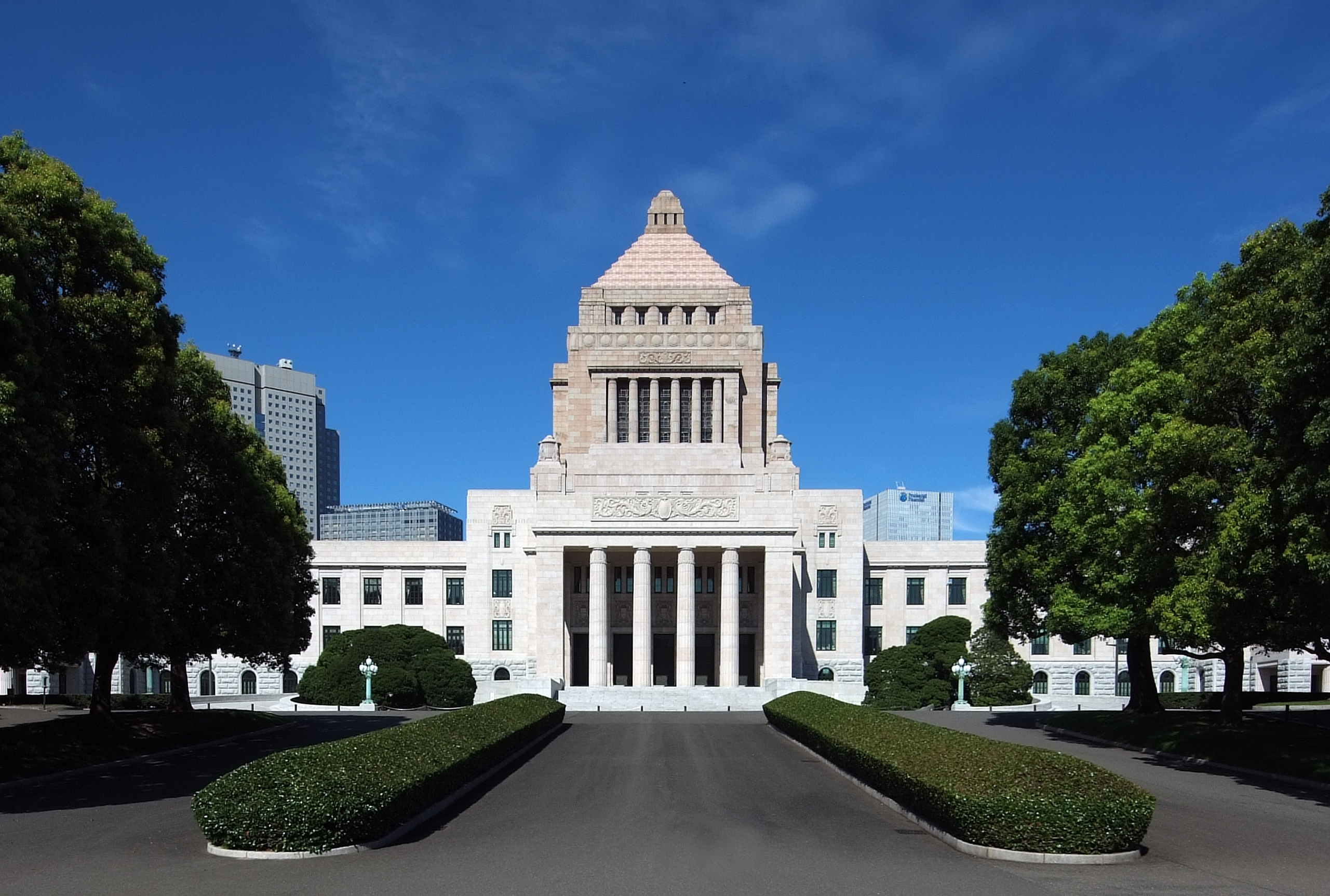
A recent surge of online discourse has thrust Japan’s immigration and social policies into the center of the American political conversation. While the U.S. continues to navigate the complexities of a multi-ethnic democracy, many are looking toward the island nation as an example of a country that has maintained a rigid, highly selective approach to foreign residents and cultural integration.
The core of this debate centers on a series of claims regarding how Japan manages its social fabric. Proponents of Japan’s model often point to the country’s famously low crime rates and high levels of social cohesion, suggesting that these outcomes are a direct result of strict immigration controls and a cultural insistence on assimilation. For many Americans, these claims spark a deeper discussion about the balance between national security, cultural preservation, and the economic necessity of labor.
However, the reality of Japan’s policy is more nuanced than online snapshots suggest. While it is true that Japan maintains some of the most stringent immigration requirements in the developed world, the legal landscape is not as uniform as viral social media posts might imply. Japan’s approach is rooted in its constitutional framework, which prioritizes the preservation of national identity while facing the urgent reality of a rapidly aging population.

The controversy often hinges on the distinction between private practice and public policy. While Japan has not instituted an outright ban on specific religious practices, the practical hurdles for building religious infrastructure—such as mosques—or integrating foreign cultural displays into public life are significantly higher than in Western nations. This has led some commentators to argue that Japan operates as a closed society, prioritizing domestic stability over the challenges of multiculturalism.
For American observers, this hits a nerve regarding the “melting pot” versus “salad bowl” theories of integration. As domestic debates over border security and the vetting of migrants continue to dominate the political agenda, Japan is frequently cited by those who believe the U.S. should prioritize a more homogeneous approach to national identity. Critics of this view, however, argue that Japan’s success is an anomaly—a product of geography and history that cannot, and should not, be replicated in a country founded on the principles of immigration and diversity.
The political stakes are high, as these conversations often influence how voters perceive government accountability. When leaders discuss border policy, the Japanese example is often invoked to argue that the government has the power to restrict entry and control cultural shifts. For the average American taxpayer, the question is not just about who gets in, but how the government’s decisions will alter the long-term safety and financial stability of their own communities.
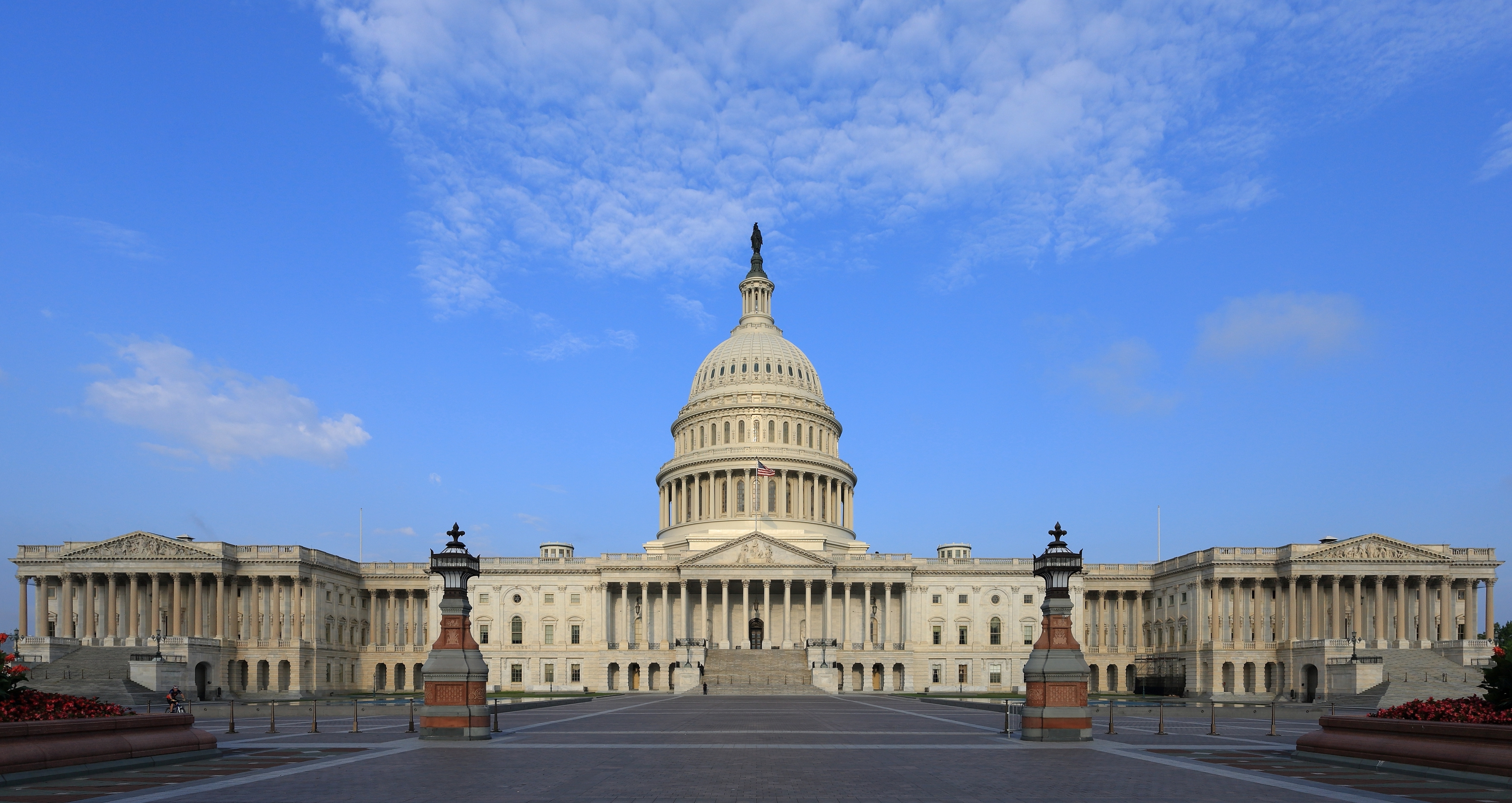
There is also the matter of constitutional law, which remains a central pillar of the debate. In Japan, the dissolution of the House of Representatives under Article 7 of the Constitution is a stark reminder of how a parliamentary system functions when it needs to reset its political course. This level of institutional control, where the executive and legislative branches can act in relative harmony to uphold traditional policies, contrasts sharply with the often gridlocked, litigious nature of the American system.
Many Americans find themselves drawn to the Japanese model not necessarily because they want to ban specific religions or cultures, but because they are seeking a sense of institutional competence. They see a government that appears to have a clear mandate and the ability to enforce its laws without apology. In an era where trust in U.S. institutions is fluctuating, the perception of a government that “works” is a powerful psychological draw.
Conversely, skeptics warn that the Japanese model comes at a steep price. Economists point out that Japan’s refusal to fully open its borders has exacerbated a severe labor shortage, forcing the government to reconcile its cultural preferences with the reality of an economy that is shrinking. For American policymakers, this is a cautionary tale: the pursuit of total cultural control can have unintended consequences on the national wallet, specifically regarding Social Security and the tax base needed to support an aging workforce.

This debate also touches upon the fundamental question of what it means to be a citizen in the 21st century. In Japan, the definition of citizenship is closely tied to heritage and long-standing cultural norms. In the United States, citizenship is tied to a set of ideas and a constitutional compact. These two divergent philosophies mean that importing Japanese-style policies into the American context would require a fundamental restructuring of how the U.S. views its own history and potential.
As these stories continue to circulate, they serve as a mirror for American anxieties. The fascination with Japan is less about the specifics of Japanese law and more about the American desire for clarity, safety, and a predictable future. Whether it is through the lens of national security or economic sustainability, the conversation underscores a growing restlessness among the public regarding how their country should look in the decades to come.
Ultimately, the “Japanese Model” remains an idealized concept for some and a cautionary tale for others. It forces Americans to ask difficult questions about what they are willing to trade for the promise of social cohesion. As the nation continues to navigate the pressures of a globalized world, the appeal of a nation that refuses to compromise its identity will likely remain a persistent theme in the national discourse.
The conversation is far from settled, and it is likely to grow more intense as the U.S. faces its own upcoming policy milestones. Whether the solution lies in stricter controls or more inclusive reforms remains the central tension of the era, ensuring that the debate over how we govern, who we allow in, and what we define as our national character will define the political landscape for years to come.