Senator Vance Details Confrontation Over Ukraine Aid, Stating US Will No Longer Fund Weapons Shipments
Senator Vance Signals Shift: “America First” No Longer Includes Ukraine Funding
Ohio Senator’s remarks spark debate over U.S. foreign aid and the evolving interpretation of nationalist foreign policy.

Senator JD Vance of Ohio has sharply articulated a new stance on U.S. foreign policy, declaring that the “America First” doctrine, as he interprets it, no longer necessitates continued financial or military support for Ukraine. His recent public statements suggest a definitive pivot away from the long-standing bipartisan consensus that has guided American engagement in the ongoing conflict.
The remarks, made in a public forum, signaled a clear intention to decouple American national interests from the protracted war in Eastern Europe. Vance recounted a personal encounter where he was confronted by a Ukrainian-American individual advocating for continued aid. This interaction, he stated, solidified his conviction that U.S. resources should be redirected domestically.
The core of Vance’s argument appears to be a redefinition of “America First,” emphasizing a singular focus on domestic priorities and a withdrawal from international commitments perceived as burdensome or not directly beneficial to the United States. This represents a significant departure from previous interpretations that often included alliances and support for democratic partners as integral to American security and influence.
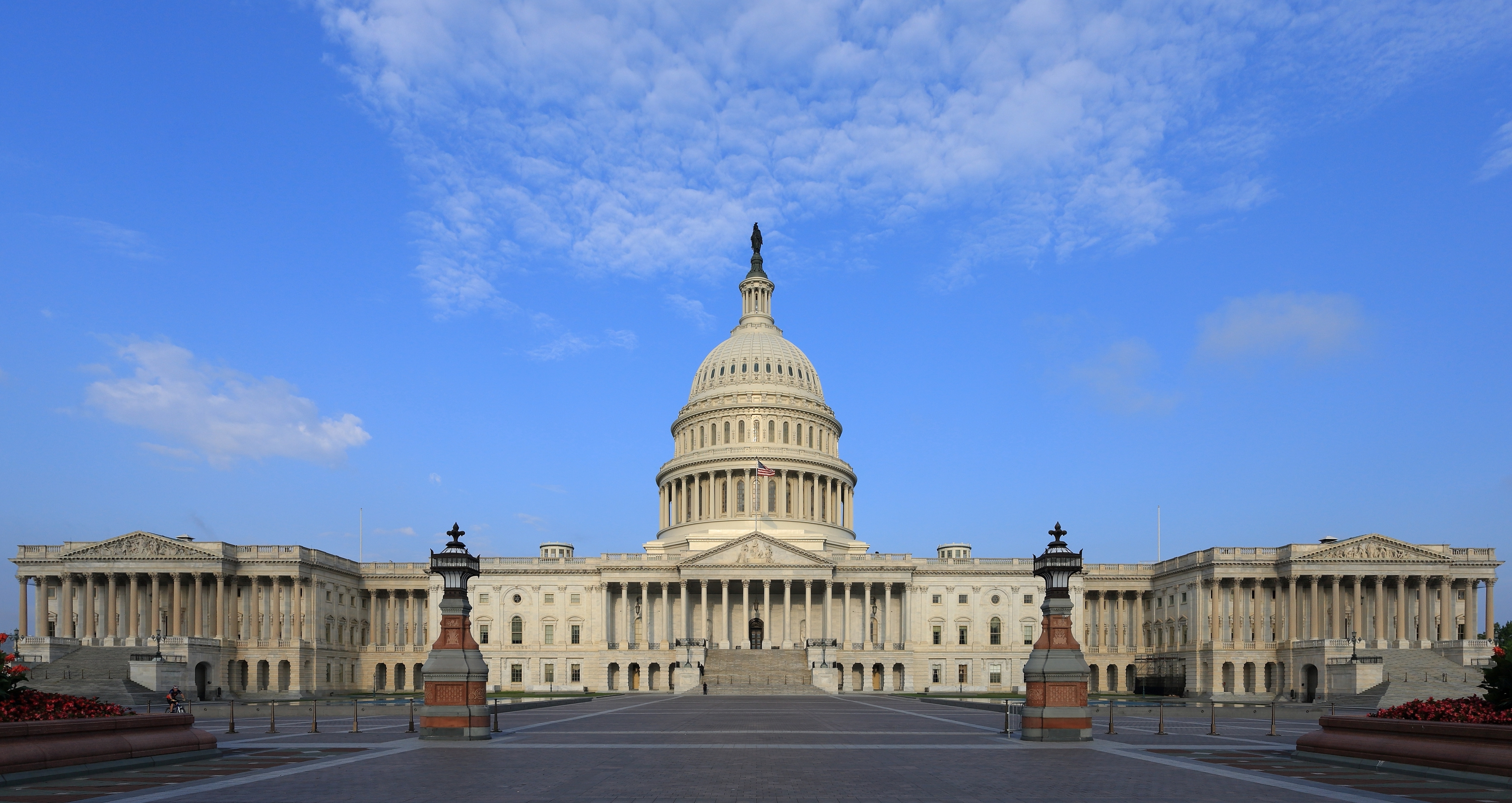
Vance’s pronouncements come at a critical juncture for Ukraine, which continues to seek substantial military and financial assistance from its Western allies. The United States has been the largest single provider of aid, and any significant reduction or cessation of this support could have profound implications for Ukraine’s ability to defend itself against Russian aggression.
Supporters of Vance’s position often point to domestic needs, such as infrastructure, border security, and economic development, arguing that taxpayer dollars are better allocated to address these pressing issues. They contend that prolonged foreign entanglements drain national resources and distract from the fundamental responsibilities of government to its own citizens.
Conversely, critics express deep concern over what they view as isolationism and a potential erosion of American leadership on the global stage. They argue that abandoning allies could embolden adversaries, destabilize international relations, and ultimately compromise U.S. security interests in the long run. The precedent set by such a withdrawal, they warn, could signal a broader retreat from international responsibilities.
The senator’s direct assertion that the U.S. is “not buying weapons and sending them to Ukraine anymore” and is “just out of that business” is a strong signal to both allies and adversaries about a potential shift in U.S. foreign policy priorities. This statement, if enacted, would represent a dramatic alteration of American strategy since the full-scale Russian invasion began in February 2022.

The debate over U.S. foreign aid to Ukraine has been a persistent undercurrent in Washington, with a vocal faction advocating for a more restrained approach to international commitments. Vance’s clear articulation of this viewpoint, however, has brought the issue to the forefront, framing it as a direct clash between competing visions for America’s role in the world.
This ideological split highlights a deeper national conversation about the costs and benefits of global engagement versus a more insular national focus. For many Americans, the question of how their tax dollars are spent, particularly on foreign conflicts, remains a significant point of concern, fueling the appeal of the “America First” message.
The ramifications of such a policy shift could extend far beyond Ukraine, potentially influencing alliances, trade relationships, and the geopolitical balance of power. Allies who have relied on U.S. support may begin to question the reliability of American commitments, while adversaries could perceive a window of opportunity to advance their interests.
Furthermore, the debate touches upon fundamental questions of national identity and America’s responsibility to uphold democratic values abroad. Is the nation’s security best served by engaging proactively with global challenges, or by prioritizing internal development and minimizing external entanglements?
Vance’s stance, while representing one prominent viewpoint, is not universally shared within his own party or among policymakers. The administration and many in Congress continue to support substantial aid to Ukraine, viewing it as a vital investment in international stability and a bulwark against authoritarian expansionism.
As this discussion unfolds, the potential for significant policy changes looms large. The clarity of Senator Vance’s position suggests a determined effort to reshape American foreign policy, raising questions about the future of U.S. engagement and the very definition of national interest in an increasingly complex world.
Ultimately, the impact of these declarations will be measured not just in Washington’s corridors of power, but in the ongoing conflict in Ukraine and the broader landscape of international relations. The coming months will likely reveal whether this assertive interpretation of “America First” will translate into concrete policy shifts, and what those shifts might mean for global security and the American taxpayer.