Senate Exchange Highlights How Strategic Military Operations Shifted Houthi Engagement and Regional Deterrence
The Doctrine of Deterrence: Rethinking America’s Posture in the Red Sea
Recent comments from leadership regarding the Red Sea operations shed new light on the tactical “lessons learned” in current maritime conflicts.
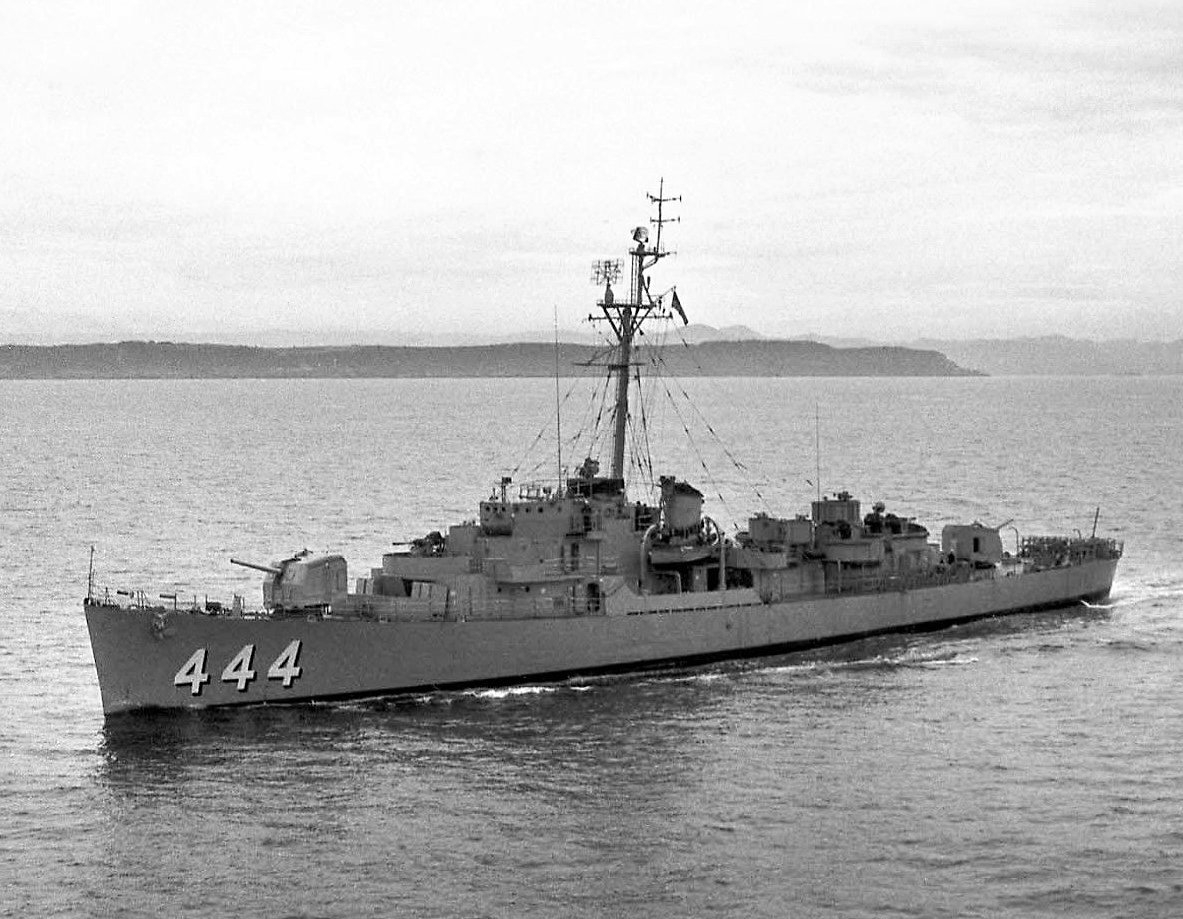
For months, the global shipping lanes of the Red Sea have been a flashpoint for international tension, with Houthi rebels launching persistent attacks on commercial vessels. However, recent remarks from high-level officials suggest that the narrative of these engagements is shifting from one of perpetual crisis to a calculated study in deterrence. By pointing to specific naval operations as the catalyst for a change in enemy behavior, the Pentagon is signaling that the rules of engagement in the region may be evolving.
The conversation centers on the success of specific maritime maneuvers, often referred to in internal circles by codenames like “Operation Rough Rider.” According to accounts shared by leadership, these engagements were not merely defensive reactions to incoming fire; they were strategic demonstrations of capability designed to shift the calculus of adversary leaders. The claim is that by meeting aggression with overwhelming precision, the U.S. military successfully reestablished a sense of vulnerability among those who previously felt emboldened to strike.
For the average American, the distant skirmishes in the Red Sea may seem like a remote geopolitical concern, yet the economic fallout has been felt at the checkout counter and the gas pump. Supply chain disruptions and the rising costs of maritime insurance are direct consequences of instability in these crucial transit corridors. When the government discusses “deterrence,” it is essentially discussing the protection of the global logistics chain that keeps American shelves stocked and inflationary pressures in check.
The Secretary of the Navy speaks at a press event, emphasizing the importance of naval readiness in modern conflicts.
The core of the current debate involves whether the U.S. has successfully convinced the Houthis—and by extension, their backers in Tehran—that targeting American assets is a losing proposition. Proponents of this view argue that the lack of recent, high-intensity escalations from the Houthi side is not a coincidence, but a direct result of the “epic fury” unleashed during these naval operations. They suggest that the adversaries have calculated the cost of engagement and decided that the risk of further confrontation with the U.S. Navy is simply too high.
Conversely, skeptics and some defense analysts caution against declaring a definitive victory. They argue that asymmetric threats like those posed by the Houthis are inherently persistent and that a temporary lull in combat does not necessarily equate to a permanent restoration of order. There is a palpable fear in policy circles that if the U.S. reduces its presence or signal of resolve, the adversaries will quickly re-arm and return to their previous posture of agitation.
This dynamic creates a complex challenge for the Department of Defense. On one hand, they must maintain a posture of strength to satisfy domestic concerns about national security and the protection of international law. On the other, they must navigate the risk of wider regional entanglement. The balance between “reestablishing deterrence” and avoiding a full-scale regional war is a narrow tightrope walk that requires constant calibration.
A massive cargo ship navigates through restricted waters, highlighting the economic stakes of maritime security.
The significance of this discourse extends beyond the immediate theater of conflict and touches on the broader question of American power in the 21st century. As the U.S. shifts its focus toward great-power competition, the ability to handle non-state actors through limited, effective force is increasingly viewed as a prerequisite for global stability. The perception that the U.S. can still impose its will without resorting to massive troop deployments is a key component of current foreign policy doctrine.
Transparency regarding these operations remains a sticking point for taxpayers who are funding these efforts. While military leaders cite the success of these missions as proof of concept, members of Congress have frequently pushed for more granular reporting on how these missions are being funded and what the long-term exit strategy looks like. The tension between operational secrecy and the public’s right to know remains a defining feature of the current administrative approach to defense.
Moreover, the rhetoric surrounding these operations highlights a “spiritual” and psychological component of warfare that is rarely captured in dry official briefings. When leaders talk about the legacy of a specific ship or the morale of a crew, they are tapping into a deep-seated American tradition of projecting confidence through professionalism. For the families of service members currently deployed, these messages are a reassurance that their loved ones are operating under a strategy that values their safety while maintaining a clear tactical advantage.
The U.S. Capitol stands as a symbol of the legislative oversight and budgetary responsibility required in foreign policy matters.
The reality is that no policy of deterrence is ever truly finished. It requires a constant, expensive, and high-stakes cycle of surveillance, readiness, and public messaging. Every time a commander suggests that deterrence has been restored, it serves as a challenge to adversaries to test that claim. As such, the U.S. public should expect this cycle of tension to remain a standard feature of the geopolitical landscape for the foreseeable future.
Ultimately, the discussion serves as a reminder that the world’s oceans remain the lifeblood of the American economy. Whether it is the flow of energy or the delivery of consumer goods, the security of these routes is inextricably linked to the decisions made in Washington. As the political landscape shifts toward a greater focus on fiscal accountability, the Pentagon will likely face mounting pressure to prove that every dollar spent on these naval operations is producing measurable, long-term security benefits.
The ongoing situation in the Red Sea is more than a series of tactical engagements; it is a test of American resolve in a multipolar world. As we look toward the future, the lessons learned in these waters will likely dictate how the U.S. approaches similar threats in other parts of the globe. The narrative of “deterrence” is not just a military strategy—it is the foundation upon which the country’s global economic and security interests currently rest.
Ultimately, the stability of our borders and our regional interests depends on the perception of American strength held by those who challenge it. While the debate over the effectiveness of current operations will undoubtedly continue in the halls of Congress and on the evening news, the quiet reality remains that the U.S. Navy continues to stand at the frontline, ensuring that the global status quo remains intact. Whether this current state of deterrence holds remains the central question for the months ahead.