Trump’s Unfiltered Commentary on International Meetings and Diplomatic Demeanor Raises Questions About Foreign Relations Style
The Currency of Confidence: Trump’s Unfiltered Commentary on Wealth and Power
A viral observation about a world leader’s soft-spoken demeanor highlights the intersection of personal style, extreme wealth, and the optics of international diplomacy.

In the world of international diplomacy, where every gesture and decibel is often meticulously calibrated by handlers, a recent comment from former President Donald Trump has struck a chord with his supporters and critics alike. During a recent campaign appearance, Trump shared a blunt observation regarding the soft-spoken nature of a foreign leader, specifically highlighting the President of the United Arab Emirates. The remark, delivered in his trademark improvisational style, served as a commentary on what Trump perceives as the undeniable confidence that comes with immense, generational wealth.
The former president noted the notably low volume of the UAE leader’s voice during their interactions, framing it not as a sign of weakness, but as a hallmark of absolute status. “See, when you’re that rich, you can speak that lowly,” Trump remarked to a crowd. He continued, “I was wondering, can anybody hear that? But when you’re so rich, you have such confidence, that you don’t have to do any strain to the voice.” The comment quickly made the rounds on social media, drawing reactions that ranged from amusement at the bluntness of the observation to deeper discussions about how American voters perceive power and status.
For many observers, this moment serves as a quintessential example of how Donald Trump navigates the intersection of celebrity, business, and politics. By focusing on the “confidence” of the ultra-wealthy, he taps into a long-standing fascination within the American electorate regarding the lives of the global elite. It is a framing that mirrors his own political brand—one that prioritizes the outward appearance of strength and the ability to command a room without resorting to traditional, formal rhetoric.

However, the reaction to the clip highlights a significant divide in how Americans view the role of a leader. Supporters of the former president often see his comments as a refreshing departure from the scripted, often hollow-sounding language of professional politicians. For them, Trump’s willingness to remark on the “confidence” of foreign counterparts is a sign of his unique ability to “size up” the people he deals with, stripping away the formality of the diplomatic stage to focus on the raw power dynamics underneath.
Critics, conversely, argue that such commentary risks trivializing the serious nature of international relations. They contend that equating a leader’s volume or wealth with their competence or diplomatic effectiveness is a reductive approach that ignores the complex geopolitical realities facing the United States. From this perspective, the focus on personality and personal style—rather than policy substance—is exactly what makes contemporary political discourse feel increasingly detached from the tangible problems affecting the average American household.
The broader question at play here is how the American public evaluates “strength” in its leadership. In a high-stakes environment where inflation, border security, and global instability are top-of-mind concerns for voters, the presentation of a leader matters significantly. For the 45–65 demographic, who remember a time when political communication was strictly governed by traditional codes of decorum, the shift toward a more conversational and personality-driven style of commentary marks a profound change in the American democratic experiment.
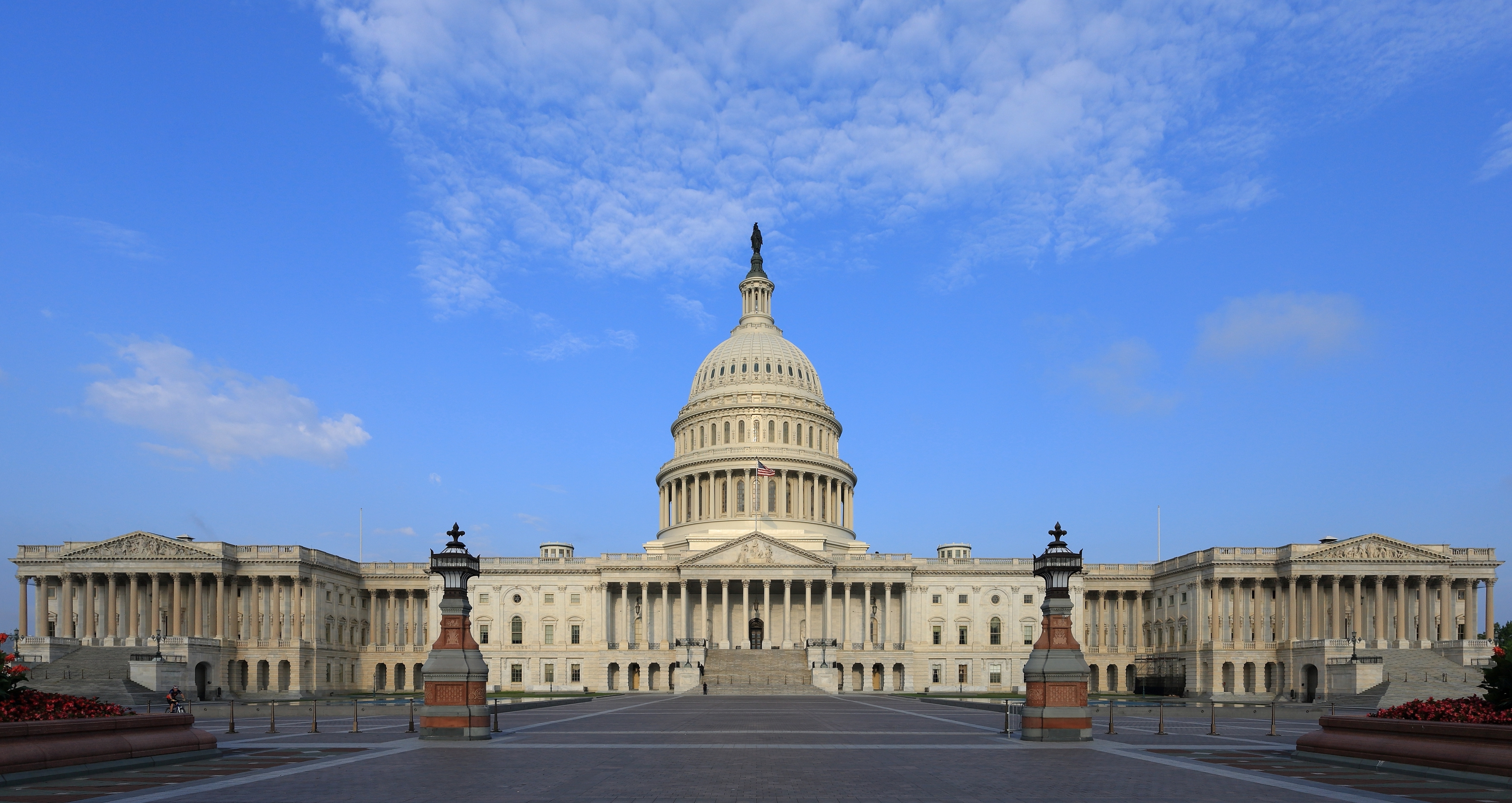
This incident also underscores the persistent public interest in how U.S. officials interact with foreign entities. As taxpayers look toward the federal government to manage international alliances and protect national interests, there is a heightened sensitivity to whether leaders are projecting the right image on the world stage. Whether through formal summits or informal anecdotes, the way a leader describes their peers abroad often influences public trust in that leader’s ability to represent American interests effectively.
Furthermore, the discussion surrounding “wealth and confidence” is not merely academic. For many Americans, economic standing is a defining feature of the current political landscape. When political figures talk about the habits of the ultra-rich, it strikes a nerve with voters who are currently navigating their own financial challenges. It raises the question of whether the political class is truly in touch with the daily struggles of the working and middle classes, or if they operate in a completely different sphere of reality.
The viral nature of the clip highlights the evolution of modern political communication. In an era where a short, off-the-cuff remark can reach millions of people instantly, the traditional news cycle has been replaced by a chaotic, decentralized flow of information. For the average citizen, this means discerning between meaningful policy insight and mere entertainment has become more difficult than ever before.

Ultimately, whether one views Trump’s remarks as a humorous insight or a political liability, the moment illustrates the enduring power of personality in U.S. politics. It suggests that even in a digital age defined by complex policy debates, the old-fashioned art of storytelling and the observation of human character remain at the heart of the American political process. It remains to be seen whether this style of communication will continue to resonate as the nation moves toward future elections.
As voters continue to navigate an unpredictable political environment, they will likely encounter more of these moments where personal style clashes with institutional expectations. The challenge for the public is to look beyond the viral clips and the candid commentary to ask how these dynamics—the focus on personality, the optics of power, and the influence of the global elite—ultimately impact the governance of the nation and the lives of those who call it home.
In the final analysis, the story is a reminder that in American politics, the message is often secondary to the messenger. How a candidate chooses to speak about the world, and who they choose to focus on, says as much about their own priorities as it does about the subjects of their observations. For the American public, the task remains to determine which qualities in a leader truly translate into the security, prosperity, and stability they desire for their families and their communities.