Senate Foreign Policy Debate Highlights Growing Tensions Over Ukraine Aid and Long-Term Strategic Goals
The Strategic Debate: Defining America’s Role in the Ukraine-Russia Conflict
As geopolitical tensions simmer, policymakers are clashing over the scope, intent, and long-term costs of U.S. military assistance to Kyiv.
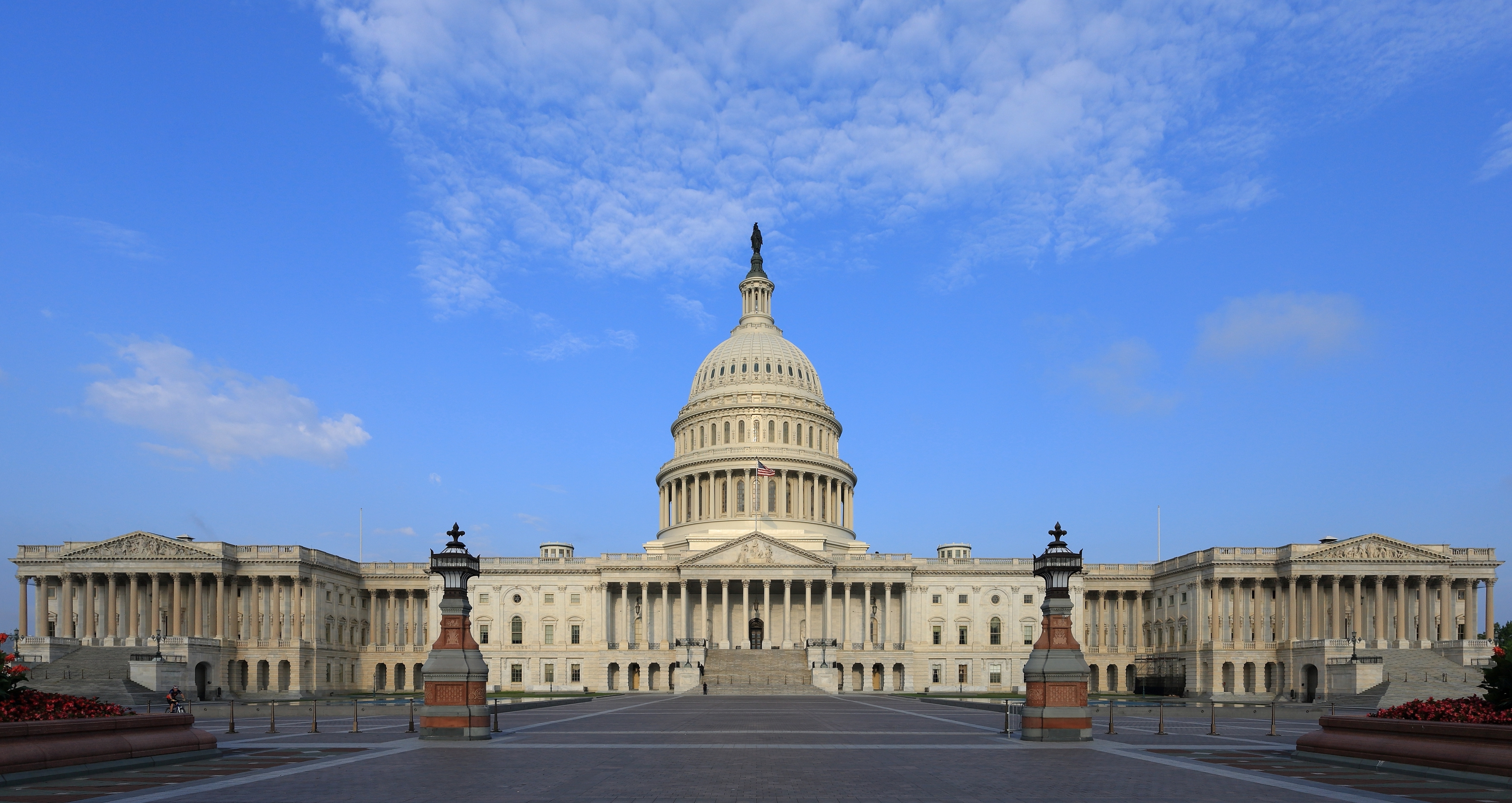
The role of the United States in foreign conflicts has long been a subject of rigorous national debate, but recent comments from Capitol Hill have refocused the spotlight on the specific goals of American intervention. As the war in Ukraine persists, policymakers are increasingly pressed to articulate not just what the U.S. is sending, but what the ultimate objective of that support should be.
Senator Mark Kelly recently provided a blunt assessment of his stance on the conflict, emphasizing that the primary objective for the United States should be a decisive Ukrainian victory. His remarks highlight a growing divide in Washington between those who view military aid as a necessary instrument of national security and those who remain wary of the open-ended nature of the commitment.
During a recent discussion, Senator Kelly clarified that the request from Kyiv has remained consistent: they are seeking the tools to fight, not the presence of American soldiers on the front lines. This distinction serves as the cornerstone of the administration’s current policy, which seeks to avoid direct combat involvement while maintaining a robust supply chain of defense equipment.
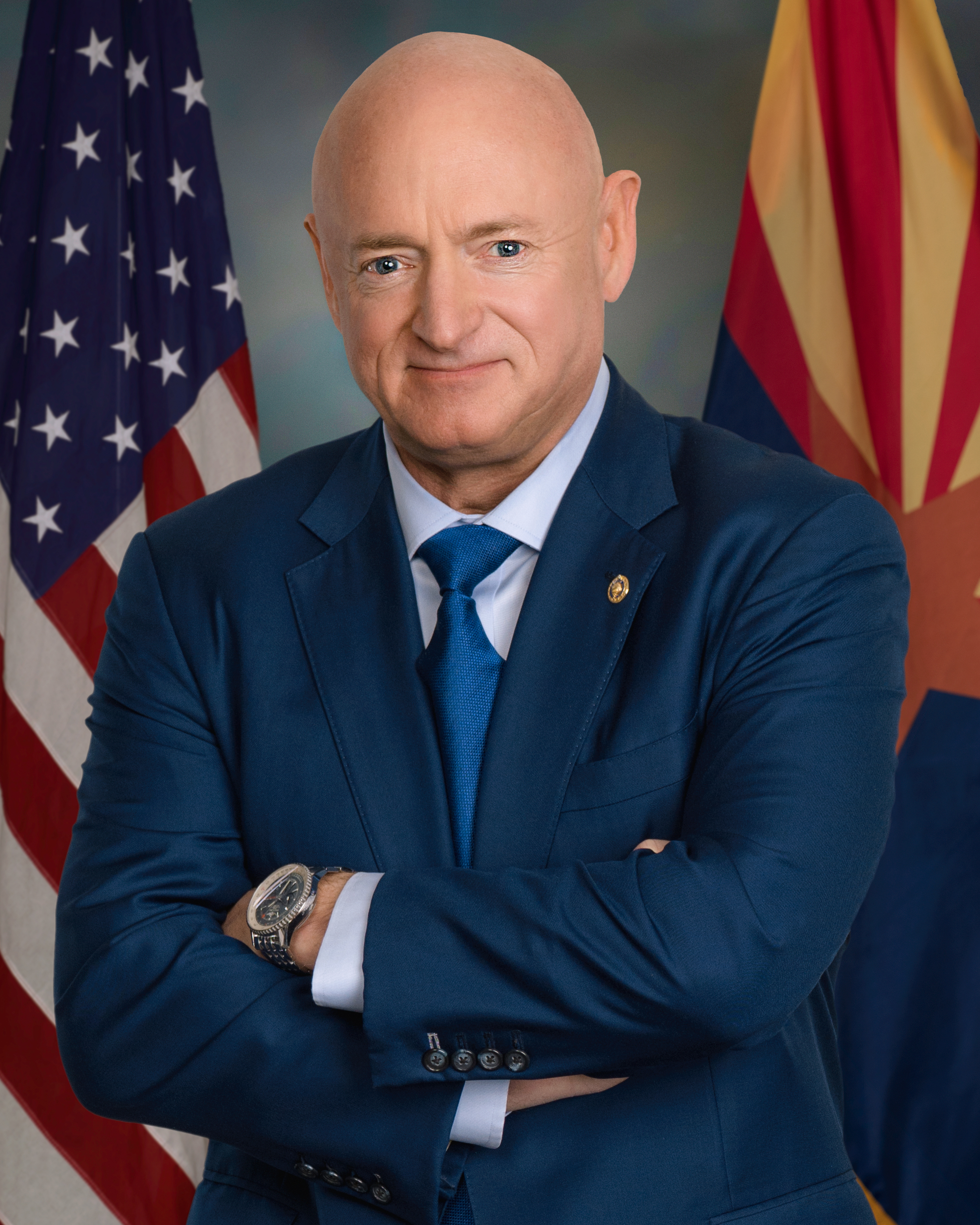
However, the senator’s assertion that the U.S. should actively strive for Russia to “lose badly” represents a shift in rhetoric that has sparked significant debate. While proponents of this view argue that a clear victory is the only way to ensure long-term stability in Europe, critics argue that such language risks further escalation and complicates the possibility of a negotiated settlement.
For many Americans, the question is not merely one of foreign policy, but of domestic priority. As federal spending on international aid continues to be a subject of intense scrutiny, taxpayers are increasingly asking how these billions of dollars in equipment and economic support align with their own financial security and the nation’s internal needs.
Those who support the current level of assistance argue that the cost of inaction would be far higher. They contend that a Russian victory would destabilize NATO allies and force the United States into a more expensive and dangerous position in the future. From this perspective, providing equipment today is a cost-effective alternative to potential direct military engagement tomorrow.
Conversely, opponents of the current strategy point to the lack of a clearly defined end-state. They argue that without a specific roadmap for how the war concludes, the U.S. is committing to an indefinite drain on its national resources. This concern is often voiced by those who believe the government should be prioritizing border security, infrastructure, and domestic economic health over overseas military objectives.

The debate is further complicated by the political timeline in Washington. Senator Kelly’s critique of the timeline of assistance—suggesting that support has been inconsistent since the start of 2020—underscores the frustration felt by lawmakers who believe that the pace of delivery has not matched the urgency of the battlefield. This criticism of the current administration’s execution adds another layer to the already complex legislative process.
Transparency remains a vital concern for the American public. As Congress deliberates on future funding bills, the demand for accountability regarding how these assets are managed and distributed continues to rise. Citizens are increasingly looking for assurance that every dollar sent abroad is tracked, utilized effectively, and serves a clear, achievable strategic interest.
The tension between moral obligation and national self-interest is a classic feature of American foreign policy, yet it feels particularly acute in the current climate. Voters are navigating a landscape where the global implications of the war—ranging from energy costs to supply chain disruptions—directly intersect with their daily lives. The argument that “what happens there doesn’t stay there” has become a central rallying cry for those advocating for continued intervention.
Yet, the skepticism among a portion of the electorate cannot be ignored. When government officials speak of “winning” a conflict, the public is often reminded of previous engagements that turned into multi-decade commitments. This institutional memory makes the American public particularly sensitive to the rhetoric used by their representatives when describing the trajectory of a conflict.

Ultimately, the discussion surrounding Ukraine is forcing a broader national conversation about what it means to be an effective global partner while maintaining domestic stability. Whether the strategy involves full-scale military support or a pivot toward more aggressive diplomatic efforts, the decision-making process will remain under the microscope of an electorate that is increasingly focused on the bottom line.
As policymakers return to the halls of Congress, the path forward remains anything but clear. The challenge will be to reconcile the ambitious goals articulated by leaders like Senator Kelly with the pragmatic concerns of a population that is increasingly protective of its resources and wary of foreign entanglements. The resolution of this debate will likely define the parameters of American intervention for years to come.
The stakes are undeniably high, not just for the people on the front lines, but for the fundamental trust that exists between the American government and the people it represents. As the situation evolves, the clarity of the government’s objectives will be the primary measure by which this policy is judged by history and by the voters at home.