New Concerns Over Department of Justice Independence and Executive Power as Political Investigations Intensify
The Weaponization Debate: Allegations of Political Justice Shake Public Trust
As investigations into political figures intensify, questions regarding the independence of the Department of Justice are moving from the halls of Congress to the forefront of the American voter’s mind.

The boundary between legitimate federal oversight and political retaliation has become one of the most contentious battlegrounds in Washington. Recent allegations suggesting that the Department of Justice may be utilized as a tool for personal or political ends have reignited a fierce national debate about the integrity of our most critical institutions.
For many Americans, the Department of Justice is a symbol of impartial law. When a political figure claims that the levers of government are being turned into “personal power ministries,” it strikes a chord with citizens who are already concerned about the growth of executive influence and the lack of transparency in federal agencies.
The core of this latest controversy involves accusations from potential presidential candidates who suggest that federal investigations are being launched not to solve crimes, but to neutralize political competition. These claims transform a standard legal inquiry into a high-stakes question of civil liberties and the future of democratic fairness.

Those who defend the current trajectory of these investigations argue that the Department of Justice must follow the evidence wherever it leads, regardless of an individual’s political ambitions. They contend that holding powerful figures accountable is a necessary function of a healthy republic, and that claims of “weaponization” are simply a defensive tactic to avoid legal scrutiny.
However, critics maintain that the timing and nature of these investigations are suspiciously aligned with political cycles. They argue that when a government agency appears to focus disproportionately on the political rivals of an administration, the public’s faith in the concept of “equal justice under law” begins to erode rapidly.
This perspective is particularly resonant with voters who feel that institutions like the FBI and the DOJ have become detached from the values of the average citizen. When the machinery of government appears to be engaged in a “search for a crime” rather than a response to a crime, it creates a deep sense of unease about the safety of one’s own rights and privacy.
The impact of this debate extends far beyond the individuals involved. For the American public, these headlines serve as a reminder that the institutions meant to protect the nation are also capable of overreach. When the Department of Justice becomes a regular fixture in political mudslinging, the resulting damage to institutional trust can take generations to repair.

Accountability is a double-edged sword in the current political climate. On one side, the public demands that wealthy and influential figures answer for their actions, ensuring that the law applies to everyone equally. On the other side, there is a legitimate fear that the government could one day turn its vast investigative resources toward private citizens who happen to hold dissenting views.
This tension is what makes the current discourse so volatile. When officials are pressed during hearings to explain the justification for certain investigations, their often-evasive answers—frequently citing “ongoing investigations” or “departmental policy”—do little to satisfy the public’s need for transparency and directness.
The economic stakes of this dynamic are also significant. Taxpayer dollars fund these extensive federal inquiries, and citizens have a right to know whether their money is being spent on genuine public safety initiatives or on political maneuvers. Every dollar redirected toward a potentially partisan investigation is a dollar not spent on border security, crime prevention, or the infrastructure that affects the daily lives of families.
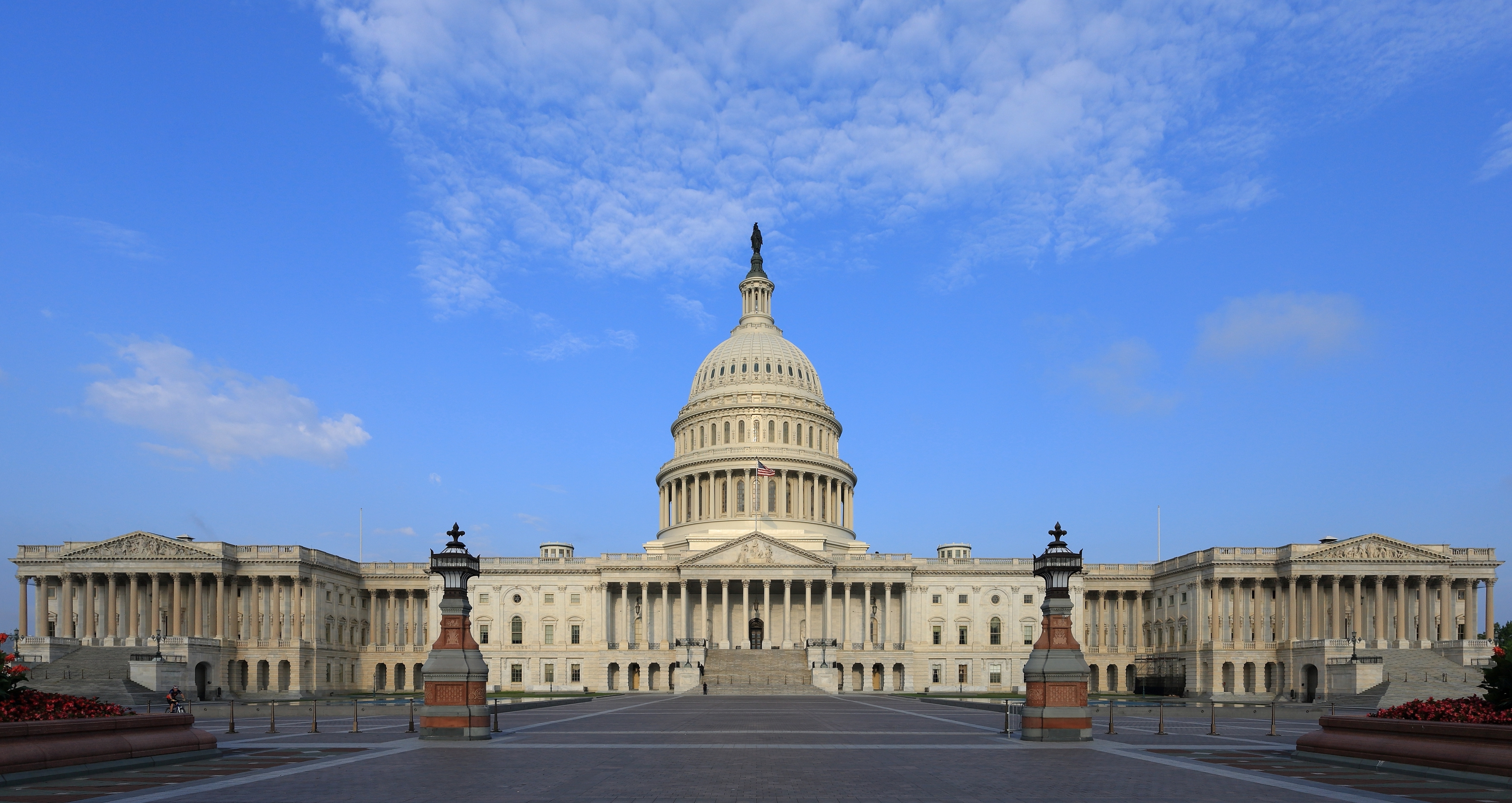
As the cycle of accusations continues, the ultimate loser may be the legislative process itself. When members of Congress spend more time debating the legitimacy of the justice system than passing policy that addresses inflation, healthcare, or entitlement reform, the average American feels left behind. The focus on political theater often comes at the expense of substantive governance.
The challenge for the future is to restore a sense of neutral professionalism to our federal agencies. This requires not only clearer lines of communication between the executive branch and the Department of Justice but also a commitment from political leaders to stop using these agencies as cudgels against their opponents.
If this culture of suspicion persists, the damage to our collective faith in government may become permanent. The American experience relies on the belief that when we go to the courthouse, we are judged by facts and law, not by the shifting tides of electoral politics. Preserving that belief is the most essential task facing the next generation of leadership.
Ultimately, this story is not just about the players in Washington; it is about the standard to which we hold our government. Whether these investigations represent a necessary cleansing of corruption or a dangerous abuse of authority, the resolution of this conflict will define the standards of fairness for years to come.