Senate Hearing Highlights Sharp Differences Regarding Deportation and Policy Oversight
Clash on the Hill: Senator Schmitt and Senator Hirono Trade Barbs Over Deportation Policy
A heated exchange during a Senate committee hearing highlights the deepening divide over immigration enforcement and the rule of law.

The atmosphere inside the Senate committee chamber shifted from standard legislative procedure to high-octane confrontation this week as Senator Eric Schmitt, a Republican from Missouri, clashed directly with Senator Mazie Hirono, a Democrat from Hawaii. The intense exchange, which quickly circulated across social media platforms, centered on the federal government’s approach to the deportation of foreign nationals convicted of violent crimes.
At the heart of the standoff was a fundamental disagreement over priorities within the American immigration system. Senator Schmitt, adopting a confrontational tone, challenged the Biden-Harris administration’s enforcement records, specifically targeting what he characterized as a failure to prioritize the removal of individuals who have committed serious, violent offenses while residing in the United States.
The tension peaked when the two lawmakers vied for control of the microphone during a designated question-and-answer session. As Senator Hirono attempted to address the nuances of due process and the administration’s legal framework, Senator Schmitt interrupted, insisting on his right to continue his line of questioning regarding the specific backgrounds of individuals subject to deportation proceedings.
“Bizarre is the idea that you would be here in this committee defending violent murderers from being deported,” Senator Schmitt declared during the exchange. The remark was met with an immediate, sharp rebuttal from Senator Hirono, who sought to maintain her allotted time, leading to a frantic back-and-forth that forced observers to take sides on the nature of political decorum in the modern Senate.
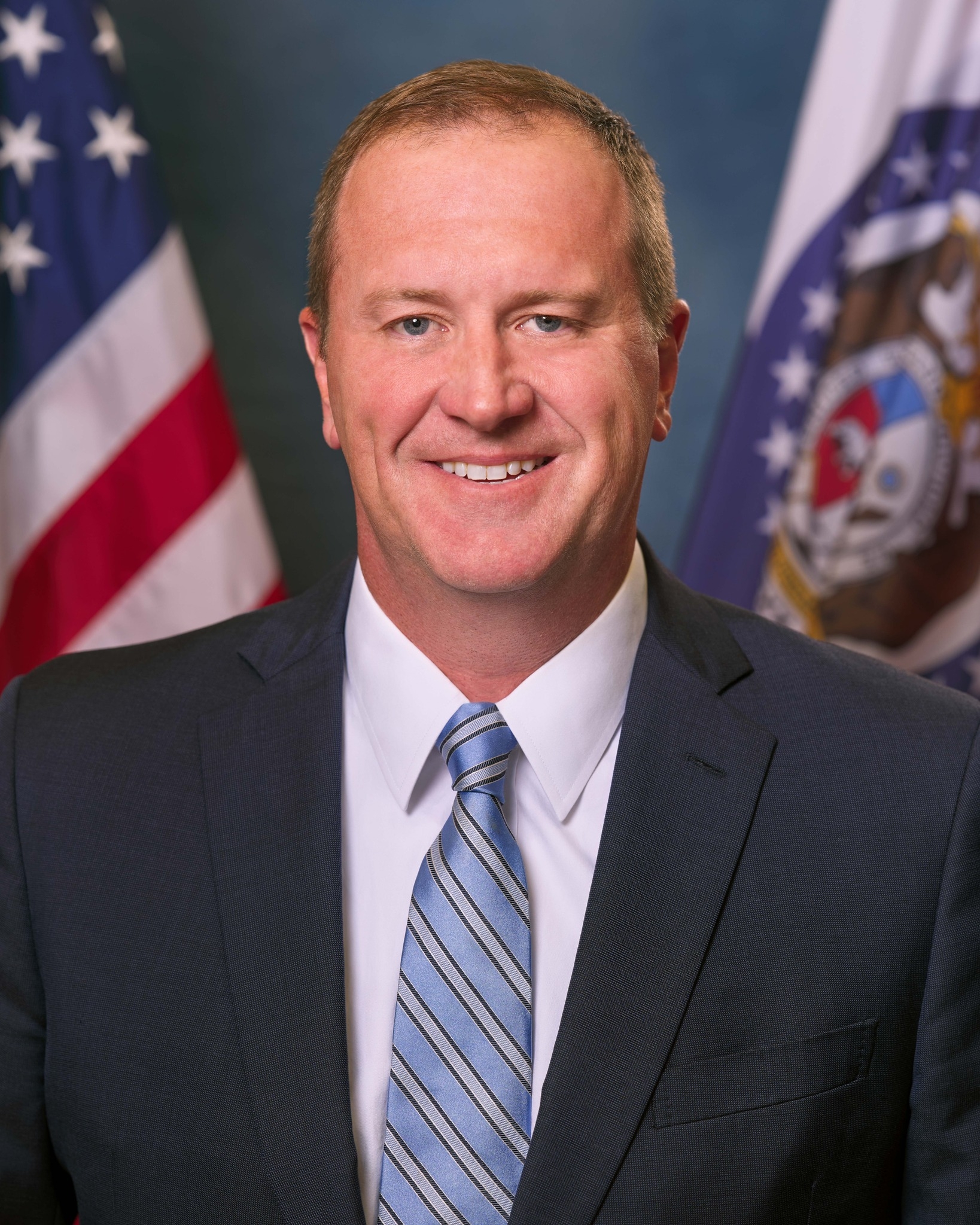
For Senator Schmitt, the argument is simple: national security and public safety must be the non-negotiable foundations of any functional immigration system. He argues that by allowing individuals who have committed violent crimes to remain in the country, the current administration is abandoning its primary duty to protect American citizens. To his supporters, the senator’s aggressive posture is a necessary response to an executive branch they believe has been too lenient in its border and interior enforcement strategies.
Conversely, Senator Hirono and her Democratic colleagues argue that the rhetoric employed by the opposition is designed to obscure the complexities of the immigration system. Supporters of this perspective emphasize that while they do not support the presence of violent criminals, the legal process must remain robust to ensure that mistakes are not made and that the civil rights of all individuals—regardless of status—are protected under the Constitution.
The conflict serves as a microcosm for the broader national debate that has plagued Washington for decades. Immigration is no longer just a policy issue; it has become a central battleground for cultural identity, moral authority, and the fundamental question of what it means to be a nation that balances humanitarian values with strict legal enforcement.
Observers of congressional history note that while heated committee debates are a long-standing tradition in the Senate, the current level of animosity reflects a shift in how lawmakers communicate with their constituents. By engaging in viral-style confrontations, politicians are increasingly speaking not just to the colleagues sitting across the dais, but to a digital audience that rewards intensity and combative soundbites.

This dynamic creates a complex environment for institutional transparency. When hearings devolve into shouting matches, the substantive details of the policy in question—such as the specific administrative hurdles facing Immigration and Customs Enforcement (ICE) or the legal definitions of “violent crime” in deportation statutes—often get lost in the noise of the political theater.
Public reaction to the clip has been predictably divided along partisan lines. Conservative commentators have lauded Senator Schmitt for his willingness to “hold the line,” viewing his directness as a long-overdue challenge to a status quo they find unacceptable. Meanwhile, critics of the Senator argue that his approach is performative, designed to inflame tensions rather than resolve the logistical challenges of a strained immigration system.
The stakes of this debate extend far beyond the walls of the committee room. With immigration consistently polling as a top concern for American voters, every hearing acts as a high-stakes performance that can move the needle in an election cycle. The tension between security and due process is not merely an academic exercise; it has real-world implications for thousands of families and the integrity of the U.S. judicial process.

The argument over who “owns the time” during a hearing is essentially a proxy for the struggle over who owns the narrative. In a polarized climate, the ability to control the conversation is often more valuable than the actual legislative outcome of a hearing. Both senators, by standing their ground, were effectively fighting to define the reality of the immigration crisis for their respective bases.
As the session continued, the underlying friction remained, signaling that the divide over immigration enforcement is unlikely to narrow in the near future. The incident highlights a chamber where the traditional norms of “collegial debate” have been replaced by a more aggressive pursuit of accountability, for better or for worse.
Ultimately, the exchange between Senator Schmitt and Senator Hirono is a reminder of the fragility of bipartisan discourse in the United States. While the cameras have stopped rolling on this specific incident, the fundamental questions raised about the reach of executive power, the limits of the law, and the responsibilities of the state to its citizens will continue to define the American political landscape for years to come.