German Protesters Question Cleanup Demands After Public Event
Pro-Palestinian Protesters Clash with German Police Over Cleanup Demands
A viral moment highlights tensions over public space and perceived entitlement during a protest in Germany.
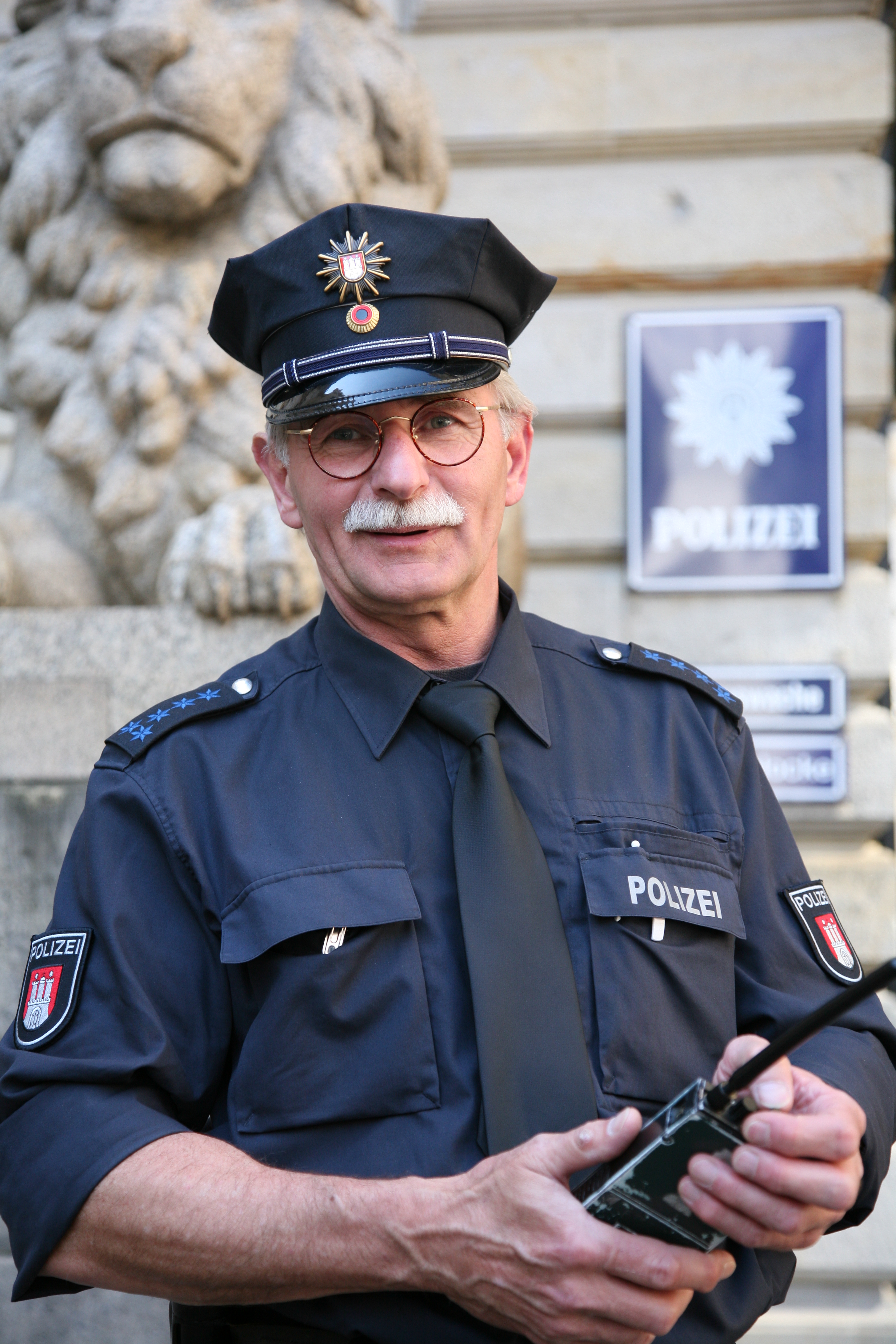
A recent demonstration in Germany, intended to voice solidarity with Palestine, has ignited a firestorm of debate following a video that captured a heated exchange between pro-Palestinian protesters and law enforcement. The incident, which quickly went viral, centers on a police officer’s request that demonstrators clean up the trash they left behind, a demand that was met with outrage and accusations of unfair treatment.
The core of the confrontation, as depicted in a widely circulated video clip, involved a police officer approaching a group of protesters and asking them to collect their litter. His request was immediately rebuffed with a question that has since become the focal point of the controversy: “Are we in a labor camp here? We don’t have to do anything. Clean it up yourself, you’re paid for this!” The assertion of entitlement and defiance against a basic civic request has drawn sharp criticism from many observers.
This seemingly minor dispute over refuse escalated into a significant public relations challenge for the protest movement. While the demonstration itself was aimed at raising awareness for Palestinian causes, the video’s focus shifted dramatically to the protesters’ behavior and their interaction with local authorities. The incident has become a flashpoint in broader discussions about the responsibilities of demonstrators and the public’s perception of various social and political movements.
The police officer in the footage reportedly stated his intention to ensure the area was cleared before other groups could potentially use it, implying a standard procedure for managing public spaces after gatherings. He expressed a desire for the area to be cleaned, suggesting that the protesters themselves were responsible for the mess they created. This practical concern for public order and cleanliness appears to have been overshadowed by the protesters’ reaction.
Critics of the protesters’ response have been swift and vocal, with many online commentators decrying what they perceive as a lack of respect for public property and the authorities. The protesters’ retort, suggesting they were being treated as forced laborers, has been interpreted by some as an unreasonable deflection and an attempt to frame a simple request for tidiness as an oppressive act. This framing has amplified the controversy, drawing attention away from the original protest’s message.
On the other hand, supporters of the protesters might argue that such demands are disproportionate, especially in the context of a political demonstration. They might contend that police tactics can sometimes feel overbearing or aimed at delegating tasks that should fall to municipal services. The sentiment that police are “paid for this” could be interpreted as a belief that maintaining public order and cleanliness, especially during events that involve public space, is part of their duty, not an imposition on citizens.
However, the viral nature of the video has undeniably amplified the latter interpretation. The specific phrasing, “Are we in a labor camp here?”, has been widely shared and mocked, becoming a symbol of what some see as an excessive sense of grievance. This has led to discussions about whether such rhetoric is counterproductive for social movements seeking broad public support.

The background context for such protests often involves deeply held political grievances and a desire to draw attention to perceived injustices. Pro-Palestinian demonstrations in Europe, as in many parts of the world, have become increasingly common and at times contentious, reflecting the complexities of the Israeli-Palestinian conflict and its global impact. These demonstrations frequently take place in public squares and streets, which naturally raises questions about the impact on the surrounding environment and community.
The incident underscores a recurring tension in many Western democracies: the balance between the right to protest and the responsibilities that come with exercising that right in public spaces. While freedom of assembly is a cornerstone of democratic societies, there is an expectation, often codified in local ordinances, that individuals and groups will not leave public areas in a state of disarray. This expectation is often tested during large-scale public gatherings, whether political, cultural, or celebratory.
The broader societal implication of this particular clash lies in its potential to influence public opinion. For movements striving for widespread empathy and political action, incidents that highlight perceived negative behaviors can inadvertently alienate potential allies. The narrative of entitlement, whether justified or not, can easily overshadow the substantive issues the protesters aim to address, making it harder to garner support from a broader public.
Furthermore, the effectiveness of protest can be significantly impacted by how participants are perceived. When images emerge that portray protesters as disrespectful or irresponsible, it can shift the focus from their political message to their personal conduct. This can be a significant challenge for any advocacy group attempting to build consensus or influence policy.
The incident also touches upon the role of social media in shaping public discourse. Viral videos, stripped of full context and often accompanied by strong emotional reactions, can quickly form public opinion. This phenomenon means that even minor interactions can be amplified into major controversies, impacting individuals, groups, and the causes they represent.
Ultimately, the confrontation in Germany serves as a stark reminder that the manner in which protests are conducted can be as consequential as the message itself. While the right to express dissent is vital, the responsibility for maintaining public order and respecting shared spaces remains a critical element of civic engagement. The debate sparked by this incident will likely continue to resonate, influencing how future demonstrations are viewed and managed.