Discussion Grows Following Recent Remarks on Immigration Policy and National Representation
President Trump Escalates Rhetoric Against Rep. Ilhan Omar, Demanding Deportation
The former president’s recent comments regarding the Minnesota congresswoman have ignited a fresh firestorm over immigration, national identity, and political discourse.

The political landscape in Washington has been jolted by a sharp escalation in rhetoric from former President Donald Trump, who recently suggested that Representative Ilhan Omar of Minnesota should be removed from the United States. During a high-energy campaign event, Trump leveled intense accusations against the congresswoman, framing her presence in American politics as inherently corrupt and fundamentally incompatible with the nation’s values.
The remarks, which have drawn swift condemnation from civil rights groups and Democratic leadership, focused on Omar’s background as a refugee from Somalia. Trump characterized her critique of American governance as an affront, questioning the legitimacy of her participation in the U.S. constitutional process while painting a bleak, chaotic picture of her nation of origin.
This latest confrontation serves as a microcosm of the deeply polarized state of American immigration policy and the ongoing battle over who is entitled to define the American identity. By calling for the deportation of a sitting member of Congress, the former president has reignited a debate that oscillates between legitimate policy grievances and what critics describe as xenophobic, nativist rhetoric.
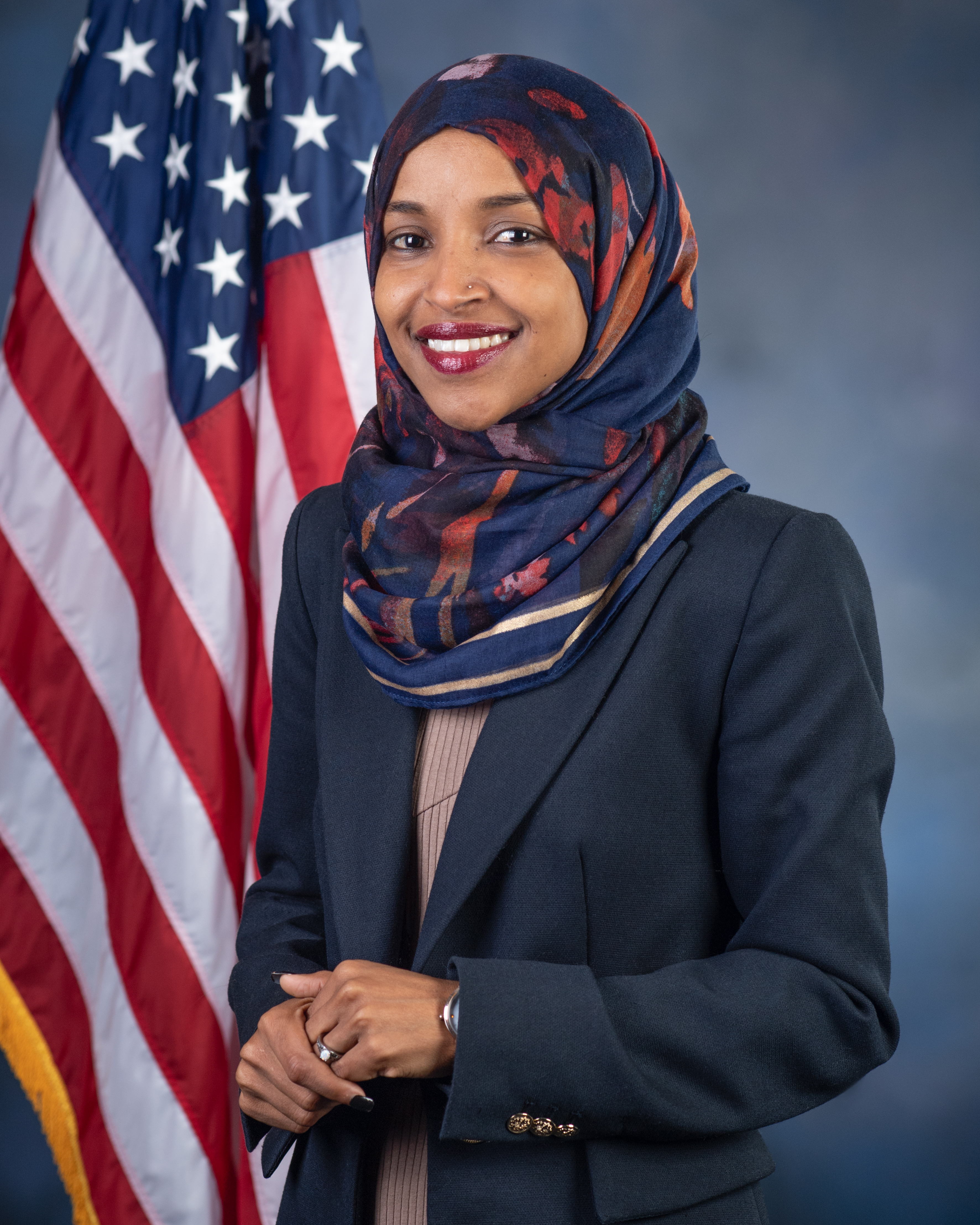
The conflict traces back to a long-standing pattern of hostility between the two figures. Representative Omar, a member of the “Squad,” has consistently been a focal point for conservative outrage due to her progressive policies, her vocal criticism of current foreign policy, and her background as one of the first Muslim women elected to Congress. For supporters of the former president, these attacks are seen as a necessary pushback against what they perceive as an anti-American agenda championed by progressive lawmakers.
Supporters of Trump’s position argue that the former president is expressing the frustrations of a voter base that feels alienated by contemporary cultural shifts. They point to allegations of financial irregularities and ethical concerns that have occasionally swirled around Omar’s political career, suggesting that the former president is simply highlighting a lack of accountability within the legislative branch. For these voters, the call for her departure is less about her heritage and more about a perceived rejection of American exceptionalism.
Conversely, defenders of Representative Omar—and many civil liberties organizations—contend that the rhetoric is a dangerous dog whistle that threatens the safety of immigrant communities. They argue that by questioning the citizenship and loyalty of a naturalized American citizen, Trump is attempting to delegitimize the inclusion of minority voices in the halls of power. These critics suggest that the focus on Omar’s Somali background is a clear attempt to mobilize voters through racialized fear rather than substantive policy debate.
The intensity of this exchange highlights a broader crisis of civility in the American political sphere. As national discourse moves further toward personal attacks and identity-based grievances, the capacity for bipartisan legislative progress continues to shrink. The incident underscores how social media and the 24-hour news cycle often amplify the most extreme versions of these conflicts, leaving little room for moderate middle ground.

Public reaction to the comments has been starkly divided, falling largely along existing partisan fault lines. While some conservative media outlets have amplified the former president’s claims as a bold stand against political corruption, Democratic lawmakers have condemned the remarks as a direct threat to the democratic process. This division reflects a country increasingly at odds with itself regarding the role of immigration and the integration of diverse perspectives into the national narrative.
The legal and institutional realities of such a proposal are also at the heart of the matter. While the U.S. Constitution provides clear pathways for the removal of members of Congress through ethics investigations or electoral defeat, it offers no mechanism for the executive branch to unilaterally deport a citizen based on political disagreement. The fact that the rhetoric has resonated so loudly speaks to a growing willingness among some segments of the public to challenge established norms of political conduct.
This moment matters because it challenges the fundamental promise of American inclusion. When a former president—and current candidate for the highest office in the land—targets a specific member of Congress based on their origin, it signals a shift in the acceptable boundaries of political campaigning. It forces the public to grapple with the question of whether the political arena is a place for debate on policy, or a venue for determining who truly belongs in the American project.

The controversy also draws attention to the role of accountability in politics. While allegations of corruption or ethical lapses are common in the political theater, they are usually filtered through the lens of institutional oversight, such as ethics committees or the ballot box. When these concerns are instead channeled through personal vitriol and demands for exile, it risks undermining the very institutions that are supposed to manage conflict through due process.
Ultimately, the escalating feud between the former president and Representative Omar highlights the fragility of the current political consensus. As the nation approaches future election cycles, the debate over how to handle inflammatory rhetoric will only intensify. Whether this dialogue leads to a hardening of positions or a eventual return to more grounded policy discussions remains the central question for the American electorate.
As the echoes of this latest exchange continue to ripple through the media, the country remains at a crossroads. The challenge for citizens, pundits, and lawmakers alike is to distinguish between the heat of political battle and the enduring necessity of upholding the democratic principles that define the nation. In a climate defined by constant noise, the ability to focus on the institutional health of the Republic has never been more vital.