Investigation Underway After Teen Girl Critically Injured in Broad Daylight Stabbing in England
Brutal Daylight Stabbing of Teenager Sparks U.K. Outrage and Immigration Debate
A violent attack on a 17-year-old girl thrusts immigration policy and public safety back into the spotlight amidst a charged political climate.
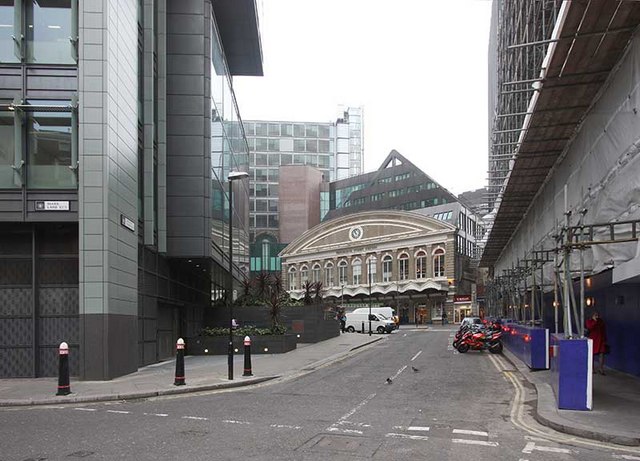
A horrific daylight stabbing of a 17-year-old girl in England has ignited a firestorm of public anger and renewed a contentious debate over immigration and the perceived rise of violent crime. The brutal attack, which left the teenager with serious injuries requiring hospitalization, has been seized upon by critics as stark evidence of a society losing control, particularly in relation to the asylum system.
The incident, which occurred in broad daylight, saw a 30-year-old suspect apprehended and currently facing charges of attempted murder. Details emerging from the scene paint a grim picture of violence unfolding in a public space, a scenario that has understandably shaken many and amplified existing anxieties about personal safety.
What has escalated the situation beyond a local crime report is the immediate framing of the alleged assailant’s immigration status. While official investigations are ongoing, the rapid dissemination of information suggesting the suspect is an asylum seeker has fueled a broader political narrative, with many prominent voices linking the attack directly to the government’s handling of border control and the asylum process.

Critics of the current immigration policies argue that such attacks are an inevitable consequence of a system they deem too lenient and inadequately vetted. They point to the incident as proof that individuals who pose a risk are entering the country and committing violent acts, leading to widespread public concern and demands for stricter measures. This perspective often highlights the emotional toll on victims and communities, demanding accountability from those in power.
Conversely, many others urge caution against a rush to judgment and emphasize the need for due process. They highlight that the suspect is “suspected” of attempted murder and that their immigration status, while a factor in the political discourse, should not overshadow the individual criminal act. This viewpoint stresses that linking all asylum seekers to crime is unfair and harmful, potentially stigmatizing a vulnerable population seeking refuge, and that the vast majority of asylum seekers are not violent.
The juxtaposition of the victim’s youth and the alleged perpetrator’s status has created a potent emotional resonance. For many, the image of a teenage girl being subjected to such violence is deeply disturbing, and the subsequent questioning of the country’s ability to protect its citizens has become a rallying cry for political action. The speed at which the narrative shifted from a singular act of violence to a national policy debate underscores the high level of public sensitivity surrounding these issues.

The background to this heightened tension is years of ongoing debate in the UK about immigration levels, the strain on public services, and the perceived impact of an increasing number of asylum applications. Political parties have consistently used these issues as central planks in their platforms, with the current government facing significant pressure to demonstrate control over borders and a commitment to public safety.
Public reaction has been swift and vociferous, flooding social media and news comment sections with a range of emotions from outrage and fear to calls for immediate policy change. Support groups for victims of crime have also voiced concerns, emphasizing the need for resources and support while navigating the broader societal implications of the incident. The incident has become a lightning rod for deeply held beliefs about national identity, security, and humanitarian responsibility.
This particular case has become a stark illustration of how isolated incidents can rapidly coalesce into national conversations, often amplifying existing political divisions. The challenge for policymakers and the public alike is to balance legitimate concerns about safety and security with the principles of justice and humane treatment, a balance that often proves difficult to strike in the heat of public debate.
The framing of the suspect’s background has also drawn criticism for potentially fueling xenophobia and undermining efforts to integrate refugees and asylum seekers. Advocates for a more compassionate approach argue that such incidents, while tragic, should not be used to demonize entire groups of people, emphasizing that the focus should remain on bringing the perpetrator to justice.
Moreover, the incident raises questions about the effectiveness of current reporting and the speed at which sensitive details, like immigration status, become public, potentially influencing public opinion before official facts are fully established. This rapid dissemination of information, particularly online, can shape narratives in ways that are difficult to correct, contributing to a polarized public discourse.
The broader context involves the strain on the UK’s asylum processing system, which has faced criticism for lengthy backlogs and perceived inefficiencies. This has led to a backlog of cases, with many individuals living in a state of uncertainty for extended periods, a situation that politicians on all sides have acknowledged as problematic, though solutions remain a subject of intense disagreement.
Ultimately, this stabbing, while a deeply personal tragedy for the victim and her family, has intersected with profound national anxieties about security, borders, and the kind of society the United Kingdom aspires to be. The ongoing investigation and the ensuing political fallout will undoubtedly continue to shape discussions on immigration and public safety for the foreseeable future.
The incident serves as a somber reminder that beneath the policy debates and political rhetoric lie individual lives and profound human experiences. It highlights the delicate and often fraught intersection of justice, public safety, and the complex realities of a globalized world, demanding thoughtful consideration beyond the immediate emotional response.