Senate Committee Examines Judicial Nominee’s Views on Academic Hiring and First Amendment Rights
Judicial Ethics Under Fire: The Growing Clash Over Political Speech and the Bench
A heated exchange during a recent confirmation hearing has reignited the national debate over where a judge’s personal First Amendment rights end and their obligation to institutional neutrality begins.
The boundary between a private citizen’s right to express political opinions and a jurist’s duty to maintain the appearance of impartiality has become a focal point of intense scrutiny in the U.S. Senate. During a recent confirmation hearing, the tension between these two competing values erupted into a pointed debate over whether a judge should ever intervene in the internal governance of academic institutions based on their personal ideological stances.
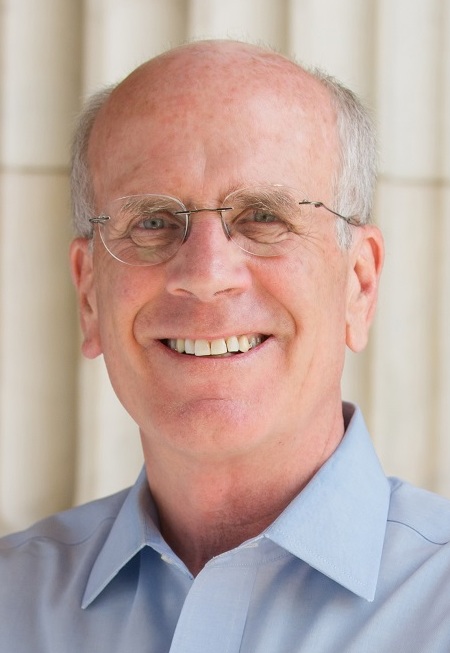
At the center of the controversy is a judicial nominee who found themselves under a microscope for past involvement in high-profile disputes concerning university hiring policies. Senator Peter Welch, a Democrat from Vermont, challenged the nominee on whether it was appropriate for a member of the judiciary to exert influence over the academic freedom of colleges and universities, framing it as a potential overreach that threatens the perceived neutrality of the courts.
The dialogue quickly moved beyond the specific details of the hiring case to a broader philosophical question about the role of judges in an increasingly polarized political environment. As the nominee defended their past actions, the exchange highlighted the evolving expectations of the American public regarding the behavior of those who sit on the federal bench.
Critics argue that when a judge engages in political controversy, they inevitably erode the public’s faith in the fairness of the legal system. For these observers, the bench must remain a sanctuary removed from the daily, often vitriolic, skirmishes of the culture wars. The argument follows that even if a judge holds a personal belief, airing that belief in a way that affects institutional policy creates a conflict of interest that cannot easily be undone.
Conversely, the nominee asserted that judges do not surrender their First Amendment rights upon taking their oath of office. They argued that participating in public discourse is a fundamental aspect of citizenship and that, provided the judge remains capable of setting aside personal views in the courtroom, their private actions should not disqualify them from service.
This perspective finds support among those who believe that a judge’s life experience and engagement with society are assets rather than liabilities. Supporters suggest that a judiciary consisting of individuals who have never taken a stand on public issues would be detached from the reality of the American experience, potentially leading to rulings that are disconnected from the needs of the citizenry.
However, Senator Welch and other skeptics of the nominee’s record maintained that there is a critical distinction between having an opinion and leveraging the prestige and power of a judicial position to influence private organizations. The concern is that when a judge takes a side in a “hot-button” cultural debate, they signal to future litigants that their case may be decided not on the law, but on the judge’s pre-existing political leanings.

The significance of this exchange is amplified by the current state of American politics, where the judiciary is often viewed as the final arbiter of existential social and political questions. As the Supreme Court and lower federal courts continue to rule on issues ranging from administrative authority to individual civil rights, the composition of these bodies has become a primary battlefield for the nation’s two major political parties.
Because these confirmation hearings are often the only time the public gets a direct look at the inner workings of a future judge’s mind, every interaction is weighed for signs of partisanship. The grilling of this particular nominee reflects a growing trend in which senators from both parties are increasingly focused on the “judicial philosophy” of appointees, moving beyond mere experience and into the realm of ideological vetting.
The debate also touches upon the autonomy of academic institutions, which have long held a special place in American life as centers for free inquiry. When judicial power intersects with academic governance, it raises questions about the extent to which the legal system should dictate the standards or the makeup of the faculty and administration within these schools.

Ultimately, the confrontation highlights the fragile nature of the balance between political expression and judicial restraint. As the nation grapples with deep divisions, the expectation for judges to act as neutral referees has never been higher, nor has the pressure for them to be visible participants in the national conversation. This tension is unlikely to subside, as future confirmation hearings will almost certainly revisit the line where a judge’s personal convictions clash with their institutional responsibilities.
For the American public, the takeaway is a reminder of the immense power inherent in the federal courts and the stakes involved in every appointment. Whether one believes the nominee was rightfully challenged or unfairly targeted, the episode underscores that in the eyes of the Senate, the courtroom is not a place for personal political crusades. The integrity of the institution, in the view of many, depends on the ability of its members to prioritize the rule of law over their own personal participation in the public square.
As the confirmation process moves forward, this debate serves as a microcosm of a larger American struggle: how to maintain a stable, impartial government in a country that is increasingly defined by the strength and frequency of its political disagreements. The resolution of such conflicts will continue to shape the character and the perceived legitimacy of the third branch of government for years to come.