Senate Panel Questions Judicial Nominee Over Past Rulings on Immigrant Detention and Bond Hearings
Judicial Confirmation Spotlight: The Controversy Surrounding Daniel Traynor’s Record
As the Senate weighs a contentious judicial nomination, critics are pointing to a history of immigration rulings that they claim signal a departure from mainstream judicial precedent.
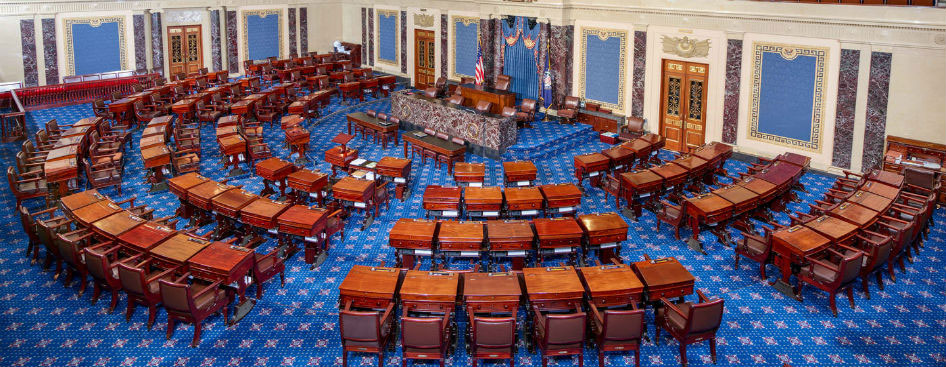
The federal bench represents the ultimate firewall for American civil liberties, yet few roles are as intensely scrutinized as those that intersect with immigration policy and executive authority. As lawmakers prepare for upcoming confirmation votes, the nomination of Daniel Traynor has ignited a firestorm of debate, centering on his past judicial actions and his stated interpretations of federal detention statutes.
At the heart of the controversy is a series of rulings and voluntary assignments that critics argue demonstrate an ideological rigidity inconsistent with impartial jurisprudence. Opponents of the nomination have focused heavily on Traynor’s involvement in specific immigration enforcement initiatives, specifically those characterized by advocates as aggressive, mass-deportation-focused programs that bypassed typical procedural safeguards.
The tension during confirmation proceedings reached a fever pitch when committee members challenged Traynor directly on his judicial philosophy. Senators questioned whether his past decisions indicated a willingness to rubber-stamp executive actions, even in instances where those actions appeared to operate at the extreme margins of current legal theory.

Central to the critique of Traynor’s record is his handling of detention cases. During his tenure, opponents allege that he adopted an expansive view of executive power that permitted the indefinite detention of immigrants without the necessity of bond hearings. This position, according to legislative skeptics, ignores the nuance of individual circumstances and the rights afforded to those residing within the United States, regardless of their legal status.
Proponents of the nomination argue that Traynor is simply a strict constructionist, a jurist committed to applying the letter of the law as written by Congress rather than crafting policy from the bench. From this perspective, his rulings are not evidence of political bias, but rather a disciplined adherence to statutory requirements regarding immigration enforcement and national security.
However, the counterargument remains focused on the real-world implications of these legal interpretations. Critics highlight cases such as “Operation Metro Surge,” an initiative that faced significant public backlash and was later linked by activists to tragic outcomes, including the deaths of Renee Good and Alex Pretti. The argument suggests that by failing to demand higher thresholds for detention, the judiciary effectively enabled policies that prioritized rapid processing over fundamental due process.
This debate over Traynor’s nomination is symptomatic of a broader, deeper rift in American politics. The judiciary has increasingly become a battleground for competing visions of the administrative state. For many Americans, the question is not just whether a judge is qualified by their résumé, but whether their past record suggests they will act as a check on executive overreach or as a willing instrument of it.

Beyond the specific facts of the cases in question, the confirmation process has surfaced concerns about the institutional independence of the courts. When a judicial nominee appears to align closely with a specific administration’s most controversial policy experiments, it raises questions about the long-term impact on public trust. If citizens perceive the bench as an extension of political machinery, the perceived legitimacy of the entire legal system risks erosion.
The intensity of the questioning during hearings reflects a Senate that is increasingly polarized on the issue of executive power. Senators who oppose the nomination have pointed to language in Traynor’s own opinions, which they claim places him as an “extreme outlier” on matters concerning detention without bond. They argue that a judge who denies the necessity of a hearing for long-term residents, including those with no criminal history, lacks the balanced perspective required for a lifetime appointment.
Supporters of the nominee, meanwhile, emphasize his deep knowledge of federal law and his commitment to the rule of law as established by existing statutes. They contend that judges should not be held accountable for the political fallout of programs they were legally tasked to review. In their view, the judiciary’s role is to determine if the law allows for a specific action, not to determine if that action is popular or morally palatable to the public.

As the confirmation process moves toward a final vote, the broader implications remain clear. The public is watching to see whether the Senate will prioritize a nominee’s judicial consistency or whether the concerns regarding his past record of enabling aggressive enforcement strategies will carry sufficient weight to derail his appointment.
Ultimately, the debate over Daniel Traynor is about more than one individual’s career; it is a fundamental discussion about what kind of justice the American public expects from its courts. As the nation grapples with complex questions regarding immigration, security, and human rights, the role of federal judges in balancing these competing interests has never been more critical.
The path forward for the federal judiciary will likely continue to be paved with such contentious confirmation battles. As long as the bench remains the primary forum for resolving these high-stakes disputes, the scrutiny applied to each candidate will only intensify. The outcome of this specific confirmation will serve as another milestone in the ongoing struggle to define the boundaries of executive authority and the protections afforded under the law.