Recent Economic Statements and Inflation Context Examined
The Inflation Paradox: Analyzing a Viral Remark and the Broader Economic Debate
A brief, eyebrow-raising comment from Donald Trump regarding inflation has ignited a firestorm of criticism and confusion, underscoring the high-stakes messaging war surrounding the U.S. economy.

In the high-intensity theater of American presidential campaigning, every syllable uttered by a candidate is subject to immediate, surgical dissection. This week, a remark by former President Donald Trump regarding the rising inflation rate—which has hit a 4% threshold for the first time in three years—sent shockwaves through digital platforms and traditional newsrooms alike. The exchange, characterized by the former president’s claim that he “loves” inflation, serves as a microcosm of the current polarized climate surrounding economic governance.
The controversy ignited after a clip surfaced where the former president appeared to endorse inflation, a move that left economists and political opponents scrambling for context. While the statement was brief, it touched upon one of the most sensitive issues for the American electorate: the rising cost of living. To many, the remark felt like a departure from traditional fiscal orthodoxy, while to others, it was clearly a rhetorical bridge to a separate point regarding energy production.
What began as a standard policy discussion quickly evolved into a national flashpoint, demonstrating how easily soundbites can be stripped of their surrounding nuance in the age of social media. The claim, while jarring when heard in isolation, suggests a deeper strategy aimed at reorienting the public’s focus toward energy independence rather than traditional consumer price metrics.

Supporters of the former president argue that the comment was meant to frame a specific narrative about wartime economic levers and the necessity of oil production. They contend that his focus remains on long-term structural changes, and that criticizing the remark is a desperate attempt by opponents to ignore his broader economic platform. For his base, the message is not about inflation as a phenomenon, but about the control of energy as a tool for national leverage.
Critics, however, have seized on the phrasing as evidence of a fundamental disconnect between the candidate and the realities faced by working-class families. They point out that for the average American household, inflation is not a rhetorical device but a genuine hardship that erodes purchasing power. By appearing to welcome the condition, critics argue, Trump has handed his opponents a powerful weapon regarding his perceived empathy for the average consumer.
The moment exposed a deeper divide in how political figures engage with complex economic data. While policy experts typically treat inflation numbers with gravity, modern campaign rhetoric often favors dramatic, attention-grabbing statements that prioritize emotional impact over technical precision. This tactical shift poses a significant challenge for voters trying to discern a candidate’s actual economic roadmap.
The allegation centers on the idea that the former president’s rhetoric is shifting away from the classic tenets of conservative economics, which usually prioritize price stability above all else. This has created a friction point even within his own political sphere, where fiscal conservatives remain concerned about the long-term impact of non-traditional economic messaging. Whether this is an intentional disruption or a slip of the tongue remains the subject of fierce debate.
The controversy raised difficult questions about public trust in political rhetoric. In an era where trust in institutions is at historic lows, the way candidates discuss the economy has a direct impact on public confidence. When a high-profile figure uses language that appears to contradict the stated concerns of the public, the ensuing backlash is often immediate and intense.
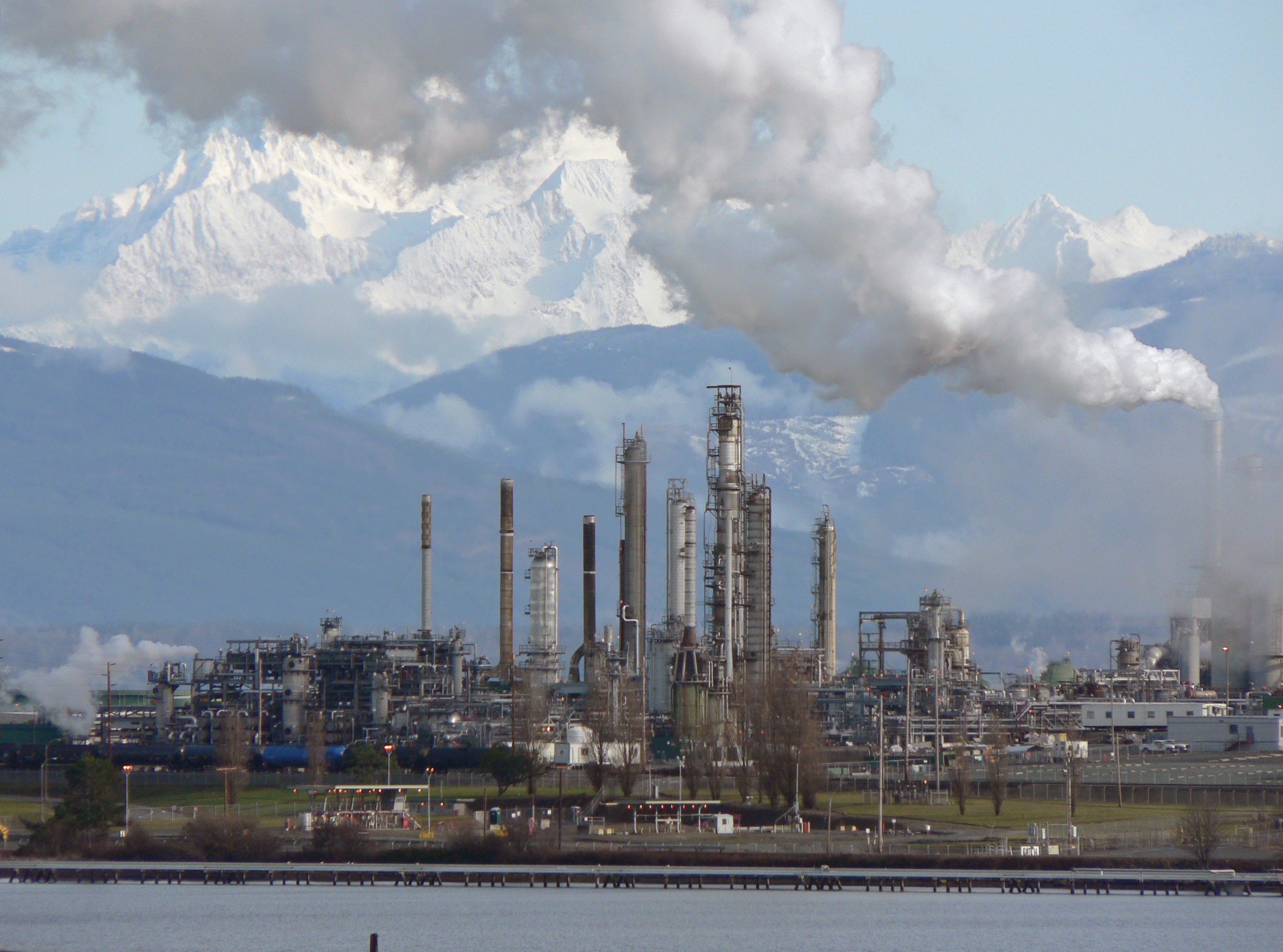
Furthermore, the mention of “taking out millions of barrels of oil” highlights the secondary, but equally controversial, aspect of the debate: energy policy. By attempting to link inflation directly to energy extraction, the candidate is attempting to create a cause-and-effect relationship that appeals to voters who believe that increasing domestic production is the ultimate fix for the current economic malaise.
This approach places the focus on production-side solutions, a staple of modern Republican economic policy. However, the connection between current inflation, which is driven by a complex web of global supply chains and monetary policy, and domestic oil production is a matter of intense disagreement among professional economists. The claim that domestic oil output is a panacea for all inflationary pressure has not been independently verified by non-partisan fiscal analysts.
The issue matters because it reflects the broader struggle to define the future of the U.S. economy. As voters head toward the next election cycle, the narrative surrounding inflation will likely remain the defining issue of the campaign. Whoever effectively positions themselves as the champion of the “affordable America” will likely hold the keys to victory.

Ultimately, the viral nature of this specific exchange underscores a larger trend in American politics where the *vibe* of a statement often supersedes its substance. While one side sees a dangerous misunderstanding of basic economic principles, the other sees a bold leader unafraid to challenge conventional wisdom through unconventional means.
As the debate moves forward, the scrutiny will likely intensify rather than abate. Voters are left to decide whether this was merely a heated moment of campaign trail hyperbole or a significant indicator of how a potential administration would prioritize economic policy. The power of the presidency is often defined by how a leader communicates the state of the nation, and in this instance, the communication has sparked a fire that will not soon be extinguished.