Senate Floor Motion Targets Budget Act Provisions Following Disclosure of Registered Non-Citizen Data
Senator Mike Lee Forces Midnight Floor Vote on Non-Citizen Voter Registration
The Utah senator’s procedural maneuver highlights a intensifying national debate over election integrity and the presence of non-citizens on voter rolls.
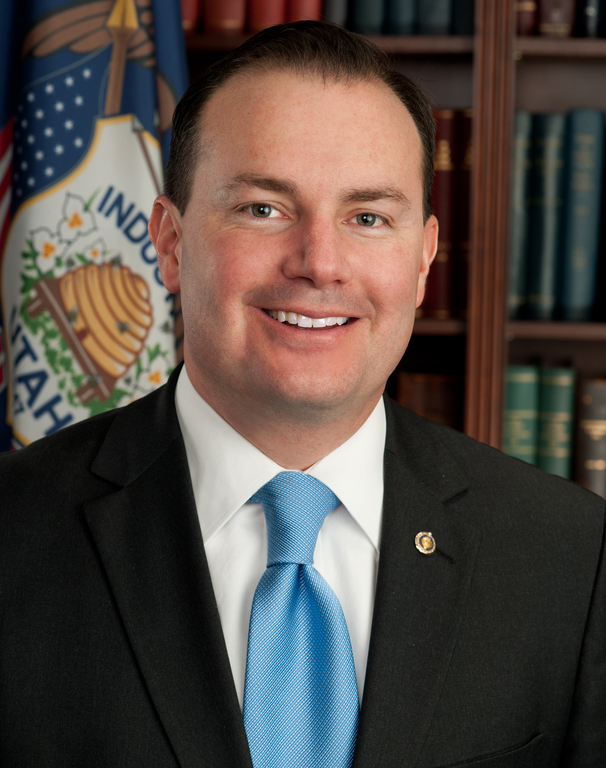
In a late-night legislative maneuver that underscored the mounting tensions surrounding U.S. election integrity, Senator Mike Lee (R-UT) recently forced a high-stakes vote on the floor of the Senate. The procedural move was intended to push forward the “Save America Act,” a piece of legislation aimed at tightening the verification processes for voter registration across the country.
The timing and intensity of the move signaled a broader legislative strategy from the senator’s office to bring transparency to what he describes as an urgent national security and institutional concern. By forcing a vote in the early hours of the morning, Lee sought to bypass traditional legislative bottlenecks, effectively compelling his colleagues to go on the record regarding the registration of non-citizens in domestic election databases.
The exchange quickly became larger than the question itself, centering on a Department of Homeland Security (DHS) report that allegedly identified tens of thousands of registered non-citizens residing within the United States. While the administrative details remain complex, the political impact was immediate, fueling a debate that has simmered in halls of power for years regarding the security of the American ballot box.
According to reports from the Senate floor, Senator Lee moved to waive all provisions of the applicable budget resolutions and relevant sections of the Congressional Budget Act of 1974 to secure the vote. This aggressive procedural step is rarely utilized, serving as a blunt instrument to break the inertia of standard parliamentary procedure.

The debate focused on whether current federal safeguards are sufficient to prevent foreign nationals from accessing state and federal election systems. For proponents of the Save America Act, the presence of any non-citizen on voter rolls represents a fundamental breach of trust in the democratic process. They argue that the government has a non-negotiable obligation to ensure that only eligible, natural-born or naturalized citizens have a voice in selecting national leadership.
Supporters of the measure pointed to the DHS findings as empirical evidence that the current system is compromised by bureaucratic oversight. In their view, the failure to actively purge these individuals from registration lists constitutes a dereliction of duty by federal agencies tasked with protecting the integrity of our elections.
Critics, however, often point to the limitations of such data, arguing that the mere presence of a non-citizen’s name on a voter registration list does not necessarily equate to evidence of illegal voting. Many election experts maintain that while clerical errors and database mismatches occur, there is little evidence of widespread, systemic fraud involving non-citizens, suggesting that legislative efforts like those championed by Lee may be misaligned with the actual scope of the problem.
The moment exposed a deeper divide in Washington over the intersection of immigration policy and the administrative requirements of a modern state. While some see the push for increased verification as a common-sense security measure, others view it as a political instrument designed to cast doubt on election outcomes and create further polarization among the electorate.
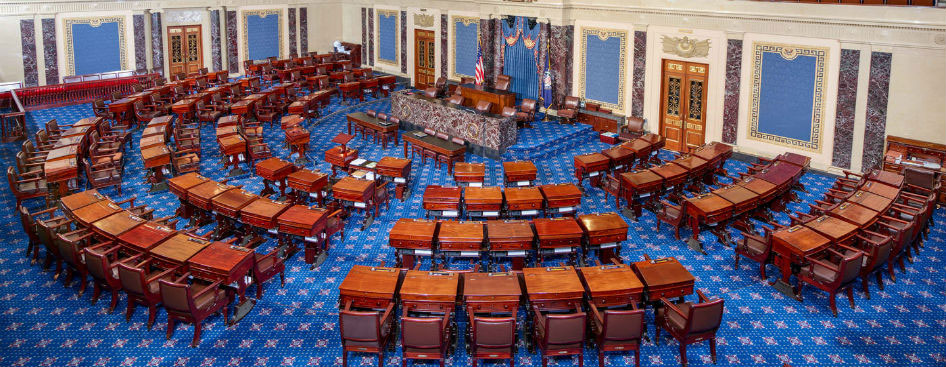
What began as a policy dispute became a national flashpoint, capturing the attention of social media users and political activists alike. The controversy raised questions about accountability and public trust, specifically regarding how government agencies communicate potential security gaps to the public. The allegation centers on the idea that the information regarding non-citizens was known to the Department of Homeland Security but was not adequately acted upon until legislative pressure was applied.
The issue matters because public confidence in the electoral process is the bedrock of the American republic. Regardless of how one views the necessity of the Save America Act, the argument over whether voter rolls are being audited effectively has become a central theme in modern U.S. political discourse. The debate reflects a broader struggle to balance the convenience of registration with the stringent security requirements that many voters now demand.
As the Senate continues to navigate these thorny issues, the legal and constitutional nuances remain at the forefront. The Congressional Budget Act, which Lee sought to bypass, is designed to keep the government’s fiscal processes orderly; overriding such acts is a significant move that highlights just how fractured the consensus on election policy has become.
Institutional trust is currently at a premium, and actions on the Senate floor serve as both a reflection and a driver of the public mood. Whether this specific piece of legislation gains further traction remains to be seen, but the urgency demonstrated by Senator Lee suggests that the pressure on federal institutions to address perceived vulnerabilities in voter rolls will only intensify as the next election cycle approaches.
The claim has not been independently verified in its entirety, yet the move served its purpose of elevating the conversation to the highest level of government. In the end, the late-night session in the Senate served as a microcosm of a country grappling with the complexities of identity, security, and the mechanics of democracy itself.
Ultimately, the push by Senator Lee underscores a reality that transcends party lines: the American public is increasingly sensitive to the integrity of their institutions. As debates regarding government accountability continue, the pressure on legislators to produce tangible results in the face of these challenges will undoubtedly define the political landscape for the foreseeable future.
We should do all we can to insure the integrity of our vote. The Democrats continue to raise issues that seem to protect their status quo. They’ve cheated in the past they will cheat again. No brainer. Everything they’ve done and continue to do proves their true stance on sovereignty and it’s not in our interest as Americans. Abolish the Democratic party.
Thank you for your reply.