Analysis of Ongoing Debates Regarding Election Integrity and Ballot Processing in California
Election Integrity Claims Spark Fresh Debate Over California Voting Procedures
President Trump’s recent remarks regarding California’s mail-in ballot process have reignited a long-standing national conversation about election administration and voter trust.

The conversation surrounding the integrity of American elections once again took center stage this week after President Donald Trump raised pointed questions regarding the handling of mail-in ballots in California. During a recent briefing, the President expressed skepticism regarding the state’s reporting speed and ballot processing, specifically highlighting what he described as a sudden shift in electoral numbers.
The President’s comments centered on the assertion that current processes in states like California are susceptible to manipulation, a claim he has reiterated throughout his political career. “I just don’t want cheating in our elections,” he stated, suggesting that the influx of mail-in ballots often creates an environment where results become volatile or untrustworthy. According to the President, the discovery of a high volume of mail-in ballots late in the count was a source of concern that warrants greater transparency.
This latest exchange serves as a reminder of the deep-seated friction between federal leadership and state-level election authorities. As the nation approaches future cycles, the debate over how votes are collected, verified, and tallied remains one of the most contentious topics in American political life. The issue matters because it touches upon the very foundation of public trust in democratic institutions.
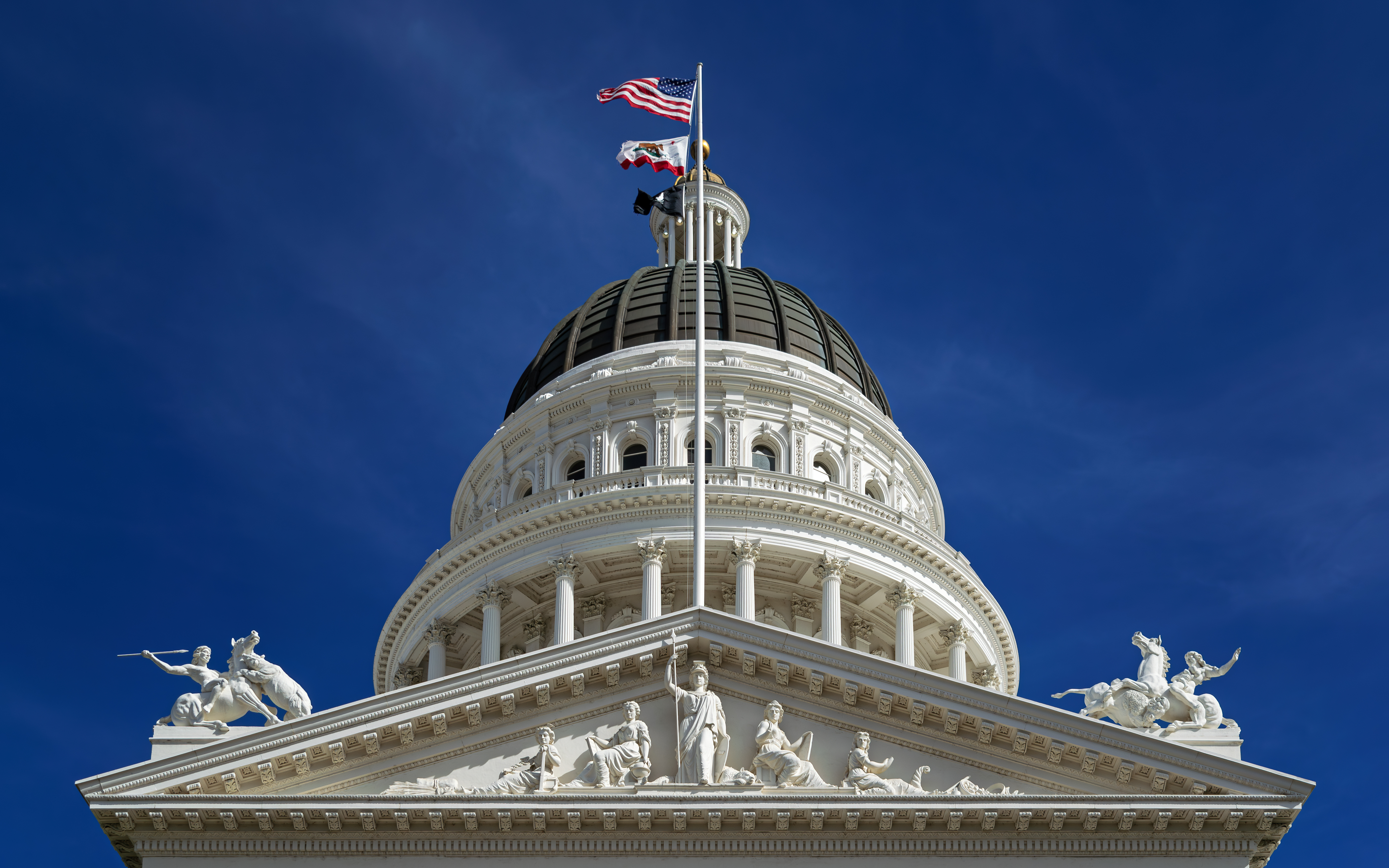
The allegations regarding California’s election procedures focus on the state’s reliance on mail-in voting, a system that expanded significantly in recent years. While proponents argue that universal mail-in ballots increase voter participation and accessibility, critics contend that the lack of strict in-person verification requirements creates security gaps. This fundamental difference in philosophy has turned California into a recurring battleground for rhetoric regarding election security.
Supporters of the President’s stance argue that the slow nature of counting mail-in ballots, which can sometimes extend for days or weeks after Election Day, undermines the public’s confidence in the final outcome. They often point to the high volume of late-arriving ballots as evidence that the system needs a drastic overhaul, favoring a return to traditional, in-person, same-day voting models to ensure faster and more certain results.
Conversely, election officials in California and voting rights advocates maintain that the state’s procedures are robust, secure, and designed to accommodate a massive, diverse population. They argue that the extended counting period is a natural consequence of rigorous verification processes, such as signature matching and ballot curing, which ensure that every legal vote is counted correctly. For these officials, the focus on “cheating” is a baseless narrative that misrepresents the procedural reality of modern ballot handling.
What began as a policy dispute over ballot processing methods quickly became a national flashpoint. The moment exposed a deeper divide in how different factions of the American electorate view the concept of civic participation and the legitimacy of the results produced by the current system. This tension is not merely about logistics; it represents a fundamental clash over which values—accessibility or speed—should prioritize the electoral process.

Beyond the procedural technicalities of the ballot count, the President’s comments were part of a broader cultural critique. He used the platform to pivot toward other social issues, framing his vision of government as one that stands against specific policies regarding gender and sports. By connecting election integrity to these broader cultural battles, the President sought to mobilize a base that feels alienated by contemporary administrative norms.
The controversy raised significant questions about accountability and public trust in the age of digital information. When a political leader calls the legitimacy of a state’s election into question, it reverberates through the entire political system, prompting calls for investigations and, conversely, protests against what supporters label as fear-mongering. The claim has not been independently verified, yet it has become a central talking point for those who believe the system requires federal intervention.
Historically, the oversight of elections in the United States has been a decentralized affair, primarily handled by states and local counties under the Tenth Amendment. This design is intended to prevent federal overreach, but it has also led to a patchwork of regulations that can feel confusing or inconsistent to the average citizen. This lack of uniformity provides fertile ground for political candidates to challenge results or raise alarms when the numbers do not align with their expectations.
The debate focused on the idea that public trust is a finite resource. When public figures characterize election officials as being complicit in “stealing” or “cheating,” it inevitably impacts the willingness of the electorate to accept outcomes that they do not personally like. This trend is a concern for non-partisan watchdogs, who worry that the erosion of faith in the process is harder to repair than any single legislative failure.
As the conversation shifts from the specific incident in California to the broader national scale, it is clear that the discourse surrounding election security is unlikely to dissipate. The competing views represent two distinct versions of American democracy—one that prioritizes massive access and bureaucratic thoroughness, and another that prioritizes traditional, centralized oversight and immediate closure.
Ultimately, the significance of this moment lies in its ability to highlight how deeply polarized the American political landscape remains. Whether or not the concerns raised have merit, the impact they have on the public psyche is profound. The discourse surrounding our elections remains a litmus test for the health of our republic, forcing every citizen to grapple with the complexities of how we define, defend, and trust the process that grants power to our leaders.
The path forward will likely involve ongoing scrutiny of how states manage their voting systems, as well as an intense focus on transparency. As the nation moves toward the next electoral cycle, the clarity of these processes will likely be the primary defense against the growing suspicion that threatens to undermine public faith in the outcome of our democracy.